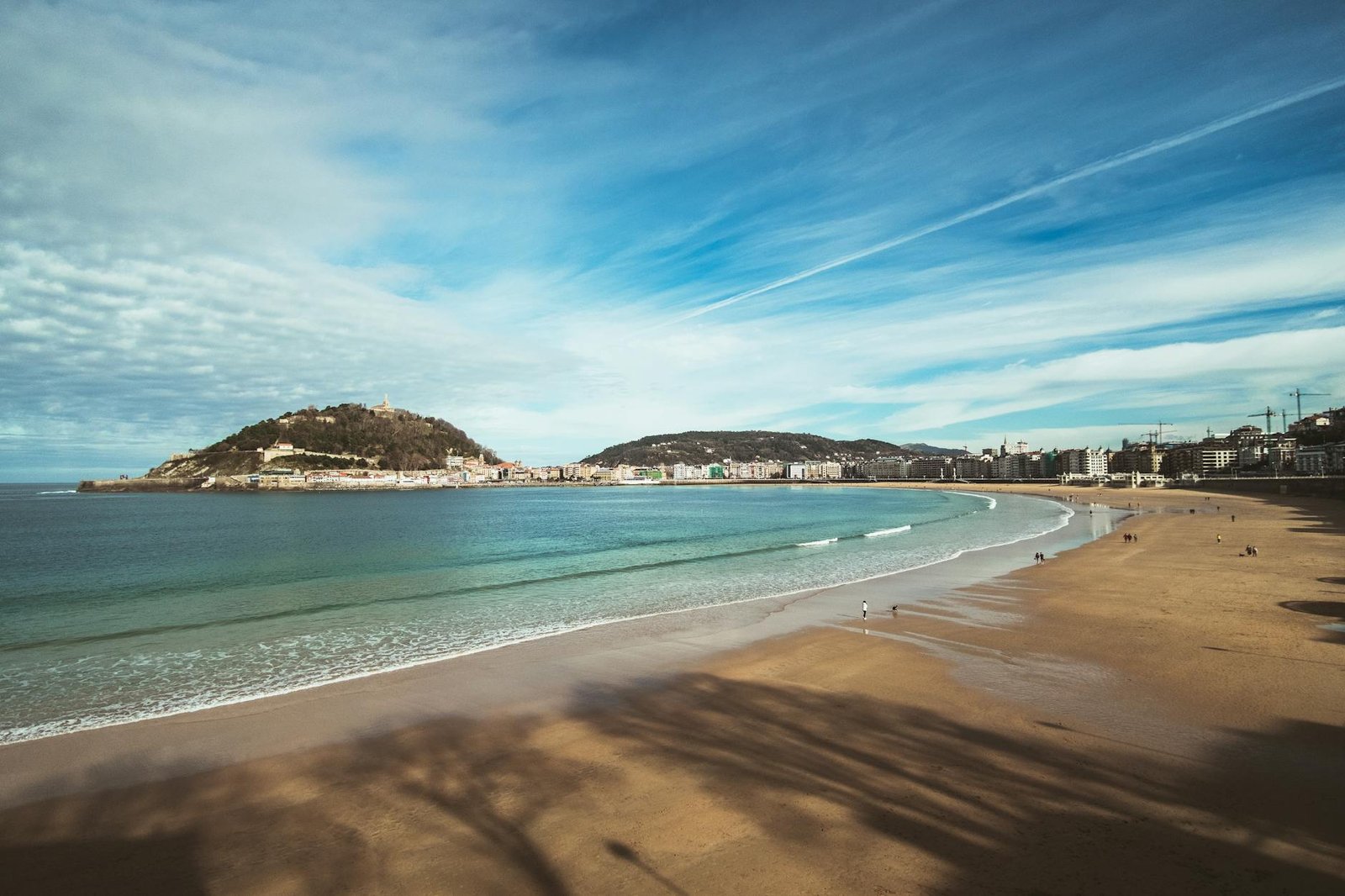
This small Basque city punches so far above its weight in gastronomy that it regularly tops lists of the world’s best food destinations — and most cruise passengers have no idea what they’re walking into. Pinned between the Pyrenees and the Bay of Biscay, San Sebastián (Donostia in Basque) is achingly beautiful, proudly independent, and absolutely unforgettable.
Arriving by Ship
San Sebastián doesn’t have a traditional deep-water cruise terminal, so most ships anchor in the bay and tender passengers ashore near the old port. The tender ride takes roughly 10–15 minutes and drops you within easy walking distance of the Old Town (Parte Vieja) and La Concha beach.
Once ashore, virtually everything worth seeing is on foot. The city is compact, flat along the bay, and extraordinarily well-signed — you won’t need a taxi to get started.
Things to Do

San Sebastián rewards walkers above all else, with a packed old quarter, a world-class beach, and forested hills flanking both sides of the bay. Here’s where to spend your time.
Culture & History
- Monte Urgull — Climb the wooded hill rising above the old port for panoramic bay views and the Castle of La Mota at the summit; entry is free and the walk takes about 20 minutes.
- Aquarium of San Sebastián — Sits right at the harbour and houses a dramatic walk-through tunnel shark tank; tickets cost around €13 for adults, open daily from 10am.
- San Telmo Museoa — The Basque Country’s oldest museum covers local history, art, and culture inside a converted 16th-century convent; admission is €6, free on Tuesdays.
- Peine del Viento (Wind Comb) — Eduardo Chillida’s iconic iron sculptures are bolted into the rocks at the western end of La Concha beach; free to visit and dramatically photogenic at any time.
Beaches
- La Concha Beach — Consistently ranked among Europe’s most beautiful urban beaches, this crescent of fine sand is a five-minute walk from the tender landing; swimming is safe and the promenade is perfect for a stroll.
- Zurriola Beach — Across the Urumea River, this surf beach has a younger, edgier vibe and is the place to rent a board if the swell is up.
Day Trips & Tours
- Pintxos bar crawl, Parte Vieja — The old town’s bar-lined streets are the epicentre of Basque bar culture; joining a guided tour ensures you hit the best spots and understand what you’re eating. 🎟 Book: San Sebastian Top Pintxos Private Tour
- Loyola Sanctuary & Getaria — If you want to venture beyond the city, a guided day trip can combine the birthplace of Saint Ignatius with the charming fishing village of Getaria in one sweep. 🎟 Book: San Sebastián, Loyola Sanctuary & Getaria Day Trip from Bilbao
- Private Basque Coast drive — A private transfer or tour along the dramatic coastal road between Bilbao and San Sebastián is one of the most scenic drives in Spain. 🎟 Book: Private Transfer Tour Bilbao to San Sebastian through the Basque Coast
What to Eat
Eating here isn’t just a meal — it’s the main event. The Basque approach to food is obsessive, ingredient-led, and rooted in centuries of tradition, from humble pintxos bars to three-Michelin-star temples.
- Pintxos — The Basque answer to tapas: small bites on bread, piled high along every bar counter; expect to pay €2–4 per piece at places like Bar Txepetxa or La Cuchara de San Telmo.
- Bacalao al pil-pil — Salt cod slow-cooked in olive oil until it forms an emulsified silky sauce; a staple in traditional restaurants, typically €14–18 as a main course.
- Idiazabal cheese — A smoky, firm sheep’s milk cheese made in the Basque mountains; sold at markets and delis for around €4–6 for a wedge.
- Txakoli wine — The local slightly sparkling, bone-dry white wine poured dramatically from height to aerate it; a glass costs €2–4 in most bars and pairs perfectly with seafood pintxos.
- Gilda — The original pintxo: an olive, anchovy, and pickled pepper skewered on a toothpick and named after Rita Hayworth; try it at Bar Bergara for €1.50.
- Tarta de queso (Basque burnt cheesecake) — Born at La Viña restaurant in the old town, this crustless, deliberately scorched cheesecake is the city’s most famous export; a slice costs around €5.
Shopping

The Parte Vieja has a good spread of independent shops selling Basque crafts, local food products, and wine. Look for Idiazabal cheese, tins of anchovies from nearby Getaria, and bottles of Txakoli to take home — all pack easily and make exceptional gifts.
Avoid generic souvenir shops clustered near the waterfront. Instead, head to the Bretxa Market hall for fresh local produce and artisan food stalls where locals actually shop.
Practical Tips
- Currency — Spain uses the Euro; card payment is widely accepted but carry some cash for pintxos bars.
- Tipping — Not obligatory, but rounding up the bill or leaving small change is appreciated.
- Getting around — The city centre is entirely walkable; taxis are metered and reasonably priced if you need them.
- Language — Spanish works everywhere, but learning “eskerrik asko” (thank you in Basque) will earn you genuine smiles.
- Best time ashore — Get off the tender early to beat the pintxos rush and secure a table at popular spots by lunchtime.
- How long you need — Four to five hours covers the old town, La Concha, and a proper meal; a full day lets you add a hill climb or museum.
- Safety — San Sebastián is one of Spain’s safest cities; normal city awareness is all you need.
Pack your appetite, lace up comfortable shoes, and prepare to have your expectations about a cruise port day demolished completely.
🎟️ Things to Book in Advance
These highly-rated experiences fill up fast — book before you arrive to avoid missing out.


This page contains affiliate links. If you book through them, we may earn a small commission at no extra cost to you.
📍 Getting to Donostia-San Sebastian, Spain Biscay Basque Country
Use the interactive map below to explore the port area and plan your route from the terminal.
Leave a Reply