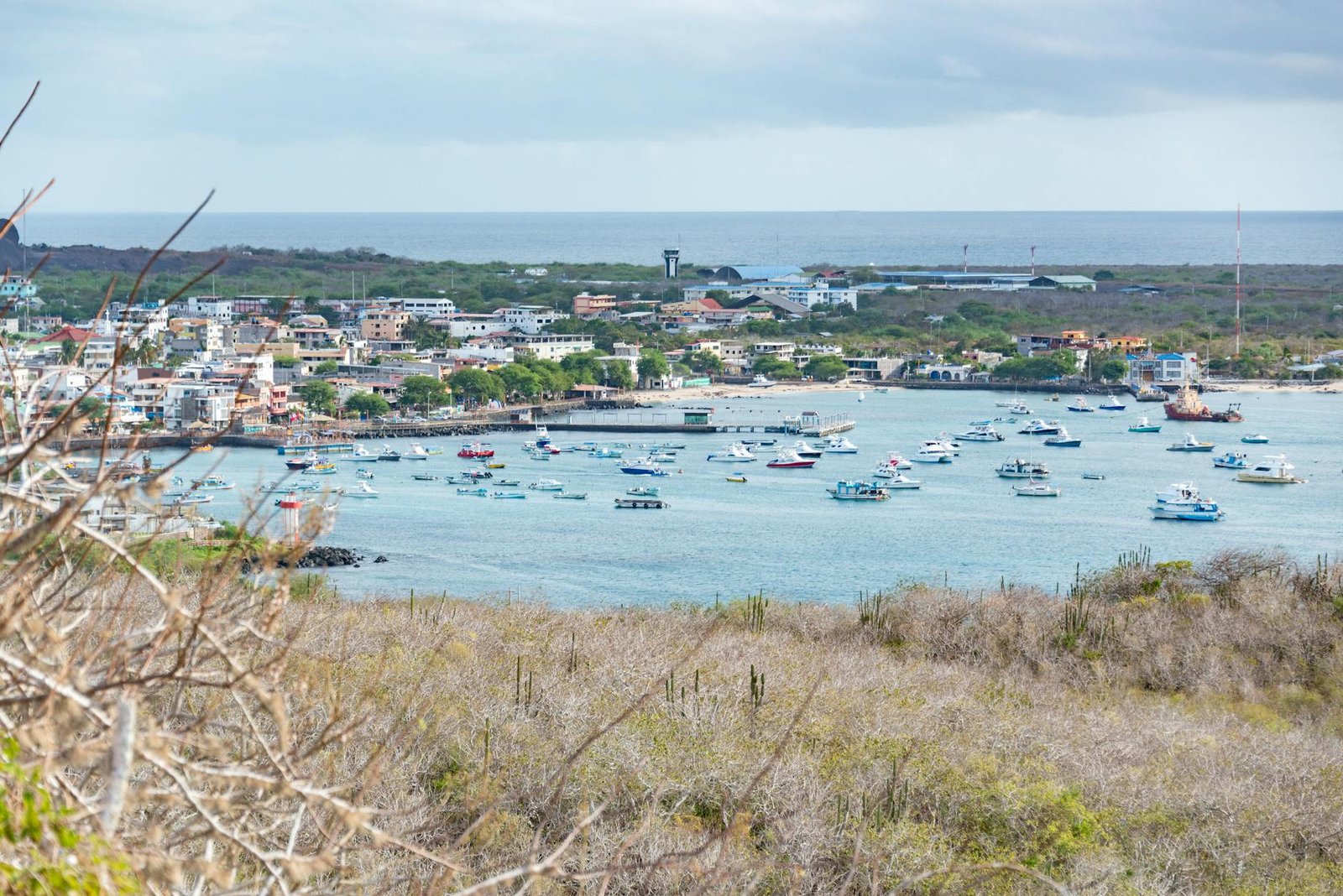
Tucked along Ecuador’s southern Pacific coast, Puerto Bolívar is one of those cruise ports that rewards the curious traveller willing to look beyond the dock. As the main port serving the city of Machala — the self-proclaimed “Banana Capital of the World” — this compact destination offers a window into authentic Ecuadorian life that bigger, more-visited ports simply can’t replicate. Come with an open mind and a healthy appetite, and you’ll leave with stories worth telling.
Arriving by Ship
Puerto Bolívar sits within the Gulf of Guayaquil, and your arrival will likely treat you to a scenic approach through calm, mangrove-lined waters. The port itself is a working commercial harbour — bananas, shrimp, and cacao move through here in enormous volumes — so don’t expect a polished tourist terminal. What you will find is a straightforward disembarkation with local taxis and tuk-tuks waiting just outside the gates. The town centre of Machala is only about five kilometres away, making it one of the easier port towns to navigate independently. If you’re considering a longer day trip toward Guayaquil, roughly three hours north, it’s worth pre-booking transport or a guided excursion to make the most of your limited time ashore.
Things to Do

Start your morning with a stroll along the Malecón, Puerto Bolívar’s modest waterfront promenade where fishing boats bob beside street vendors and locals go about their day with zero theatrical tourism in mind — it’s refreshingly real. From there, head into Machala to visit the central Parque Juan Montalvo, a lively square surrounded by colonial architecture and a great spot for people-watching over a fresh juice.
For those with a sense of adventure, the nearby Jambelí Archipelago is a hidden gem. Small boats make the short crossing from Puerto Bolívar to the island of Jambelí, where you’ll find quiet beaches, mangrove forests, and a pace of life that feels entirely removed from the modern world.
If your cruise schedule allows for a longer excursion, consider a day trip toward Guayaquil, Ecuador’s largest city. A guided city tour brings you through the vibrant Las Peñas neighbourhood, the impressive Malecón 2000, and the iconic Iguanas Park. 🎟 Book: Best of Guayaquil – City Tour Alternatively, one of the most rewarding ways to spend a full day is combining a Guayaquil visit with a stop at a real cacao farm — Ecuador produces some of the world’s finest single-origin chocolate, and watching that process up close is genuinely fascinating. 🎟 Book: Small Group Guayaquil and Cocoa Farm Full-Day Tour
Local Food
Machala’s food scene is built around the sea and the surrounding agricultural richness, and you should eat accordingly. Ceviche here — particularly shrimp ceviche, given the region’s massive aquaculture industry — is exceptional: tangy, fresh, and served with crunchy chifles (fried plantain chips) that you’ll want to take home by the bagful. Look for cevicherías around the market area where locals actually eat lunch.
Seco de pollo (slow-cooked chicken stew with beer and spices), encebollado (a hearty fish soup often eaten at breakfast), and tigrillo (a scrambled egg and plantain dish) are staples you’ll find on almost every local menu. Wash everything down with a glass of fresh maracuyá (passion fruit) juice or a cold Pilsener, Ecuador’s beer of choice.
Don’t leave without trying local chocolate in any form. The Ecuadorian cacao grown in this coastal region — known as Nacional or Arriba cacao — is among the most prized varieties in the world, and even a simple chocolate bar bought at a local shop will likely outshine anything you’ve tasted before.
Shopping

Machala’s Mercado Central is worth a wander if you want to experience daily life rather than souvenir stalls. You’ll find fresh produce, local cheeses, artisan sweets, and packaged Ecuadorian chocolate that travels home exceptionally well. For something more craft-focused, look out for Panama hats — despite the famous name, these hand-woven toquilla straw hats actually originate in Ecuador, and you can find quality examples at reasonable prices if you know to ask.
Practical Tips
Bring cash in US dollars (Ecuador’s official currency) since many small vendors don’t accept cards. The heat in this coastal region can be intense, so sunscreen, a hat, and a reusable water bottle are non-negotiables. Basic Spanish phrases will go a long way — English is not widely spoken outside tourist contexts here. Taxis between the port and Machala should cost only a few dollars, but agree on a price before you get in. For safety and efficiency, stay aware of your surroundings in the market areas and keep valuables close.
Puerto Bolívar may not be Ecuador’s most polished port of call, but that’s precisely what makes a day here so memorable. You’ll find warmth, flavour, and an unfiltered slice of South American coastal life that lingers long after your ship has sailed.
🎟️ Things to Book in Advance
These highly-rated experiences fill up fast — book before you arrive to avoid missing out.


This page contains affiliate links. If you book through them, we may earn a small commission at no extra cost to you.
📍 Getting to Puerto Bolivar Ecuador
Use the interactive map below to explore the port area and plan your route from the terminal.
Leave a Reply