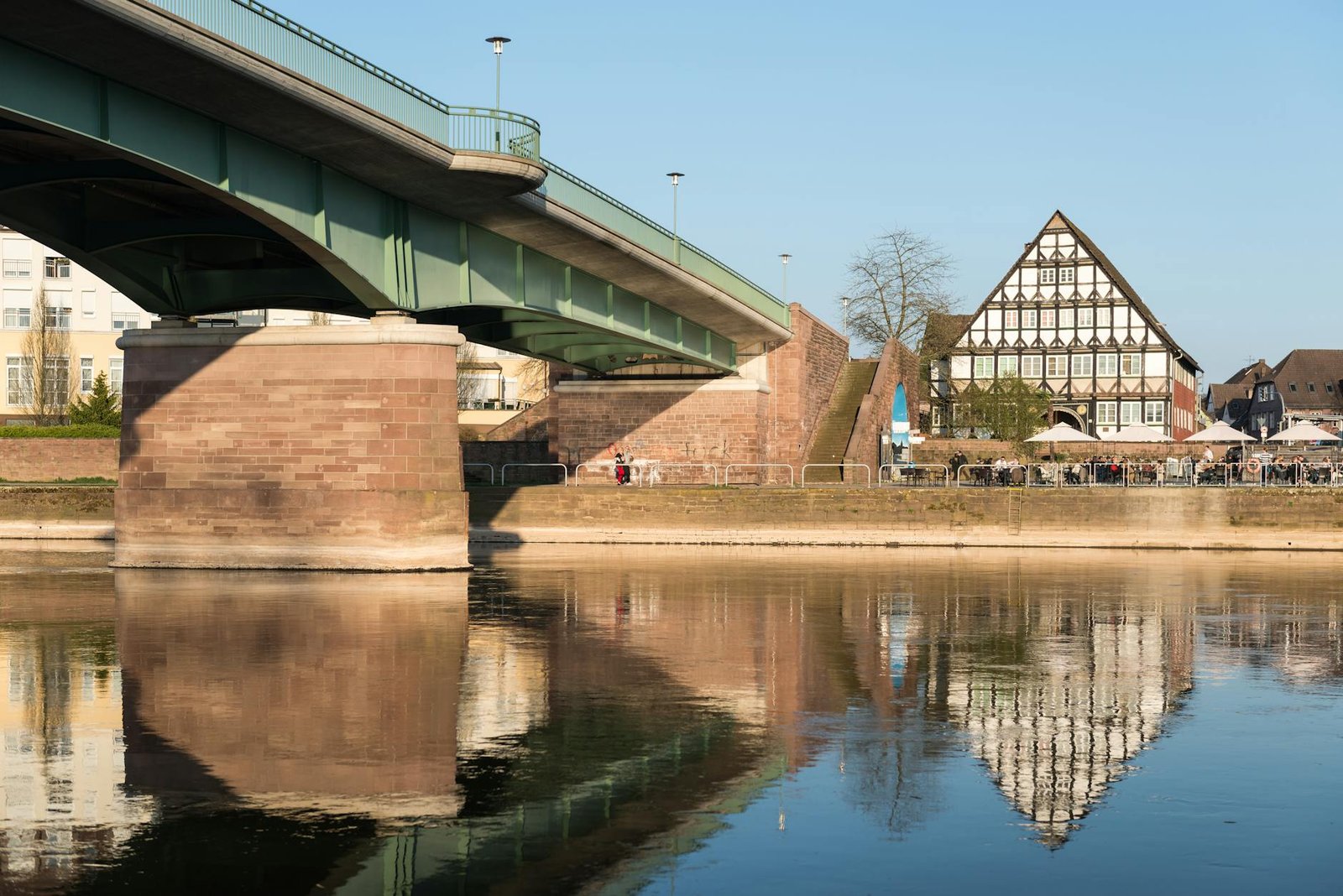
Most cruise passengers sail past Hoya without a second glance — and that’s exactly why you should stop. This quiet town on the Weser River hides a ruined castle, a timber-framed old town, and a pace of life so unhurried it feels like Germany from a different century. Get off the ship and claim it for yourself.
Arriving by Ship
Hoya-Weser sits along the middle Weser, roughly 35 kilometres south of Bremen, and river cruise ships dock directly at the town’s modest quayside. There are no tenders here — you simply walk off the gangway and you’re already within sight of the old town centre, making this one of the most effortlessly accessible stops on any Weser itinerary.
The port itself is small and unhurried, with no crowds, no hawkers, and no queues. The town’s historic centre is a flat, easy five-minute walk from the dock, so even if you have limited mobility, Hoya rewards exploration without any real effort.
Things to Do

Hoya punches above its weight for a town of just 7,000 people — history, nature, and regional character are all packed into a very manageable footprint. Give yourself at least three to four hours ashore and you’ll barely scratch the surface.
History
- Hoya Castle Ruins (Schloss Hoya) — Wander the atmospheric remains of a 13th-century county seat right in the town centre; admission is free and the crumbling towers make outstanding photography subjects.
- St. Laurentius Church — This medieval Lutheran church dates back to the 14th century and contains original carved altarpieces worth examining up close; check the door for posted opening hours, typically 10:00–16:00.
- Hoya Town Museum (Heimatmuseum) — A compact local history museum housed in a historic building, covering the county of Hoya’s rise and fall; entry is around €2–3.
Outdoors & Nature
- Weser Riverside Walk — Follow the flood-protection dyke path north or south of the dock for sweeping flat views across the river and surrounding meadows; it’s free, easy, and ideal for a one-hour stroll.
- Weser Cycling Route (Weser-Radweg) — One of Germany’s most celebrated long-distance cycling routes passes directly through Hoya; rent a bike locally for roughly €12–15 per day and explore the flat countryside in both directions.
- Schäferhof Nature Reserve — A short cycle or taxi ride from town, this wetland reserve shelters migratory birds and river wildlife, particularly impressive in spring and autumn.
Families
- Hoya Swimming Lake (Badesee) — A local freshwater lake popular with families in summer, with a small sandy beach area and picnic spots; free to access.
- Weser Ferry Crossing — Take the small passenger and bicycle ferry across the Weser just for the experience; it costs only a euro or two and gives a wonderful low-level river perspective.
What to Eat
Hoya’s food scene is resolutely local — don’t expect Michelin stars, do expect honest Lower Saxon cooking that’s hearty, affordable, and made with regional ingredients. The town has a handful of traditional German restaurants and bakeries within easy walking distance of the dock.
- Labskaus — A sailor’s dish of cured meat, potatoes, and beetroot topped with a fried egg; look for it at local Gasthäuser (traditional inns) for around €10–13.
- Grünkohl mit Pinkel — Kale cooked with smoked sausage, a Lower Saxon winter classic served in most restaurants from autumn through February; expect to pay €11–15.
- Fresh river fish (Weser Zander) — Pike-perch from the Weser prepared simply with butter and herbs; ask at riverside restaurants for the daily catch, typically €14–18.
- Bauernbrot — Dense, dark rye farmhouse bread from the local bakery; grab a loaf for under €4 to take back to the ship.
- Apfelkuchen — Apple cake served warm with cream at virtually any café in town; a slice with coffee costs around €4–5 and is non-negotiable.
- Local beer (Lüneburger or Einbecker) — While Hoya has no brewery of its own, Lower Saxon draught beers are served everywhere from around €3–4 for a 500ml glass.
Shopping

Hoya’s shopping is refreshingly uncommercial — no souvenir shops flogging plastic castles, just practical German small-town retail. The weekly market (held on Saturday mornings in the town centre) is your best bet for local honey, seasonal vegetables, regional jams, and handmade preserves.
Look out for locally produced pottery and handcrafted wooden items at occasional craft fairs, particularly in the lead-up to Christmas. Skip the generic supermarket trinkets and focus on edible souvenirs — the dark rye bread, regional mustards, and fruit preserves all travel well and tell a genuine story.
Practical Tips
- Currency is euros (€) — carry cash, as smaller cafés and market stalls often don’t accept cards.
- Tipping is appreciated but informal — rounding up the bill or adding 5–10% is standard in German restaurants.
- Best time ashore is mid-morning — the market and church are most lively between 09:00 and 12:00.
- The town is very walkable — comfortable flat shoes are all you need; no hills whatsoever.
- Bikes are the ideal transport — the Weser cycling path is pancake-flat and beginner-friendly.
- German is essential — English is spoken in some restaurants but don’t rely on it in shops or at the market.
- Three to four hours is sufficient — you can comfortably see the main sights and eat well without rushing.
Hoya-Weser won’t dazzle you with glamour, but it will give you something rarer — an authentic slice of riverside German life that most travellers never think to seek out.
📍 Getting to Hoya-Weser, Germany Lower Saxony
Use the interactive map below to explore the port area and plan your route from the terminal.
Leave a Reply