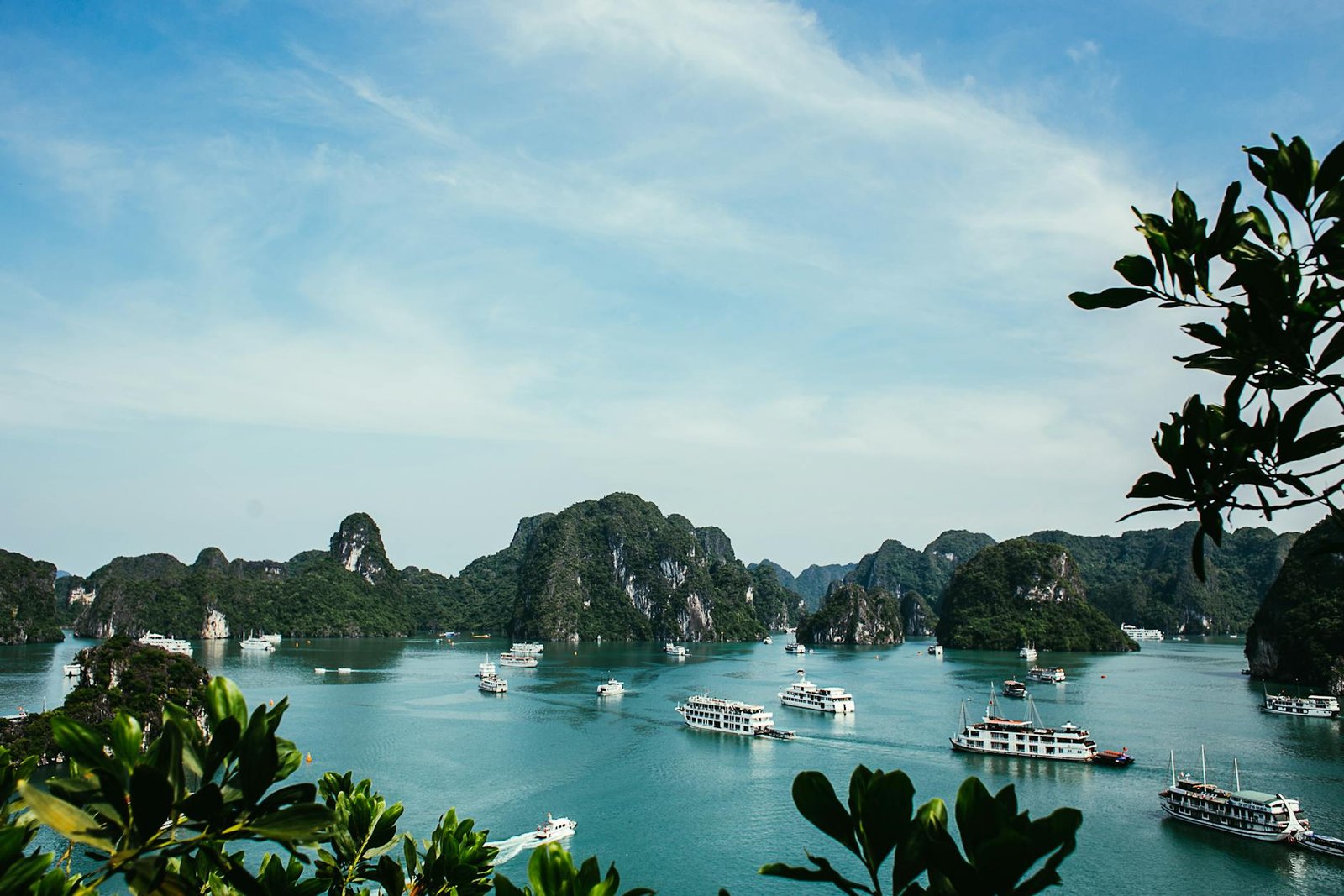
Few moments in travel match the silence that falls over a ship as it glides into Paradise Bay. This remote Antarctic inlet, accessed via cruises departing from Ushuaia in Argentine Patagonia, is a place so staggeringly beautiful that early explorers literally named it twice — once in wonder and once to make sure it stuck.
Arriving by Ship
Paradise Bay sits on the Antarctic Peninsula, making it one of the most dramatic cruise arrivals on the planet. Your ship will navigate through channels flanked by glaciers that calve directly into the water, sending small icebergs — known as “bergy bits” — drifting past your hull in shades of electric blue and white.
Most cruises originate in Ushuaia, Argentina, the self-proclaimed “End of the World” city perched at the tip of Tierra del Fuego. The sailing typically takes two days across the Drake Passage, which can be exhilarating or humbling depending on the swell. When conditions finally settle and the bay opens before you, the reward is immediate and absolute.
Zodiacs — inflatable motorised rafts — ferry passengers ashore in small groups. You’ll land near the Argentine research station, González Videla, which operates seasonally and is one of only two stations on the Antarctic mainland accessible to tourists. The bay is sheltered enough that conditions are often calm, making this one of the more forgiving Antarctic landings you’ll experience.
Things to Do

Paradise Bay isn’t a port town with a high street — it’s raw wilderness at its most theatrical, and your activities reflect that. The primary draw is simply being here: standing on the ice shelf watching humpback whales breach, listening to glaciers groan and crack, and scanning the rocky outcrops for colonies of gentoo penguins that waddle around your feet with magnificent indifference.
Zodiac cruises through the bay are offered by almost every expedition operator. These slow, close-up tours put you at eye level with glacial walls and floating ice sculptures, and your guide will kill the engine so you can sit in total silence — a rare luxury in modern travel.
If you’re arriving through Ushuaia before or after your Antarctic cruise, the nearby Tierra del Fuego National Park is unmissable. Full-day trekking and canoeing combinations let you explore the park’s ancient beech forests and beaver-dammed rivers in depth. 🎟 Book: Full Day National Park & Trekking & Canoeing with Lunch For something more immersive, a full-day trekking and canoeing adventure through the national park — including lunch — runs around USD 150 for eight hours of properly wild Patagonian exploration. 🎟 Book: Ushuaia: Full day Trekking and Canoeing in Tierra del Fuego National Park
Local Food
Antarctica has no permanent civilian population, so don’t expect a restaurant overlooking the bay. Onboard your expedition ship is where the culinary experience lives, and Antarctic cruises have quietly become known for surprisingly good food. Expect hearty, warming meals — think slow-braised lamb, freshly baked bread, and rich soups — designed to fuel cold-weather days.
If you have time in Ushuaia before embarkation, treat it seriously as a food destination. The city sits beside the Beagle Channel and its seafood reflects that geography. King crab — centolla — is the undisputed local star. Order it steamed with butter at one of the harbour-front restaurants and you’ll understand immediately why Ushuaia’s food scene punches well above its remote location. Lamb is equally important here; Patagonian cordero al palo (lamb roasted on a cross over open flame) is a ritual meal worth seeking out. Wash everything down with Patagonia Brewing Company’s local craft beers, brewed just a short walk from the port.
Shopping

Paradise Bay itself offers nothing to buy — and that’s part of its profound appeal. The absence of commerce feels deliberate and refreshing.
In Ushuaia, however, you’ll find a compact but genuinely interesting shopping scene along San Martín Street. Argentine leather goods represent excellent value, and the local wool products — scarves, hats, and ponchos — are both practical and beautifully made. Look for artisan shops selling carved wooden pieces and hand-painted ceramics featuring local wildlife motifs: penguins, condors, and pumas rendered with real skill.
Duty-free shops cluster near the port and offer Patagonian wines, spirits, and confectionery at competitive prices. Malbec from Mendoza travels well and makes a meaningful gift for anyone back home.
Practical Tips
Layering is the single most important thing to get right. Even in summer (November to March), temperatures in Paradise Bay hover around freezing, and wind chill on the Zodiac rides bites hard. Waterproof outer layers, thermal mid-layers, and good gloves are non-negotiable.
If you’re planning a longer Patagonian adventure around your cruise, a five-day premium tour combining El Calafate and Ushuaia gives you Perito Moreno Glacier alongside your Antarctic experience — one of the most glacier-dense itineraries available in South America. 🎟 Book: 5-Day Premium Patagonia Discovery: El Calafate & Ushuaia
Seasickness medication is worth having for the Drake Passage crossing. Book expedition cruises through IAATO-member operators, who follow strict environmental protocols limiting how many passengers land at any one time. Tipping is customary for expedition staff; budget around USD 15–20 per day as a guide.
A Place That Stays With You
Paradise Bay earns its name without effort or exaggeration. Long after your ship has turned north toward Ushuaia, you’ll find yourself reaching back for those specific details — the blue light inside an iceberg, the sound of a whale exhaling, the improbable quiet of the most remote place you’ve ever stood.
🎟️ Things to Book in Advance
These highly-rated experiences fill up fast — book before you arrive to avoid missing out.


This page contains affiliate links. If you book through them, we may earn a small commission at no extra cost to you.
Leave a Reply