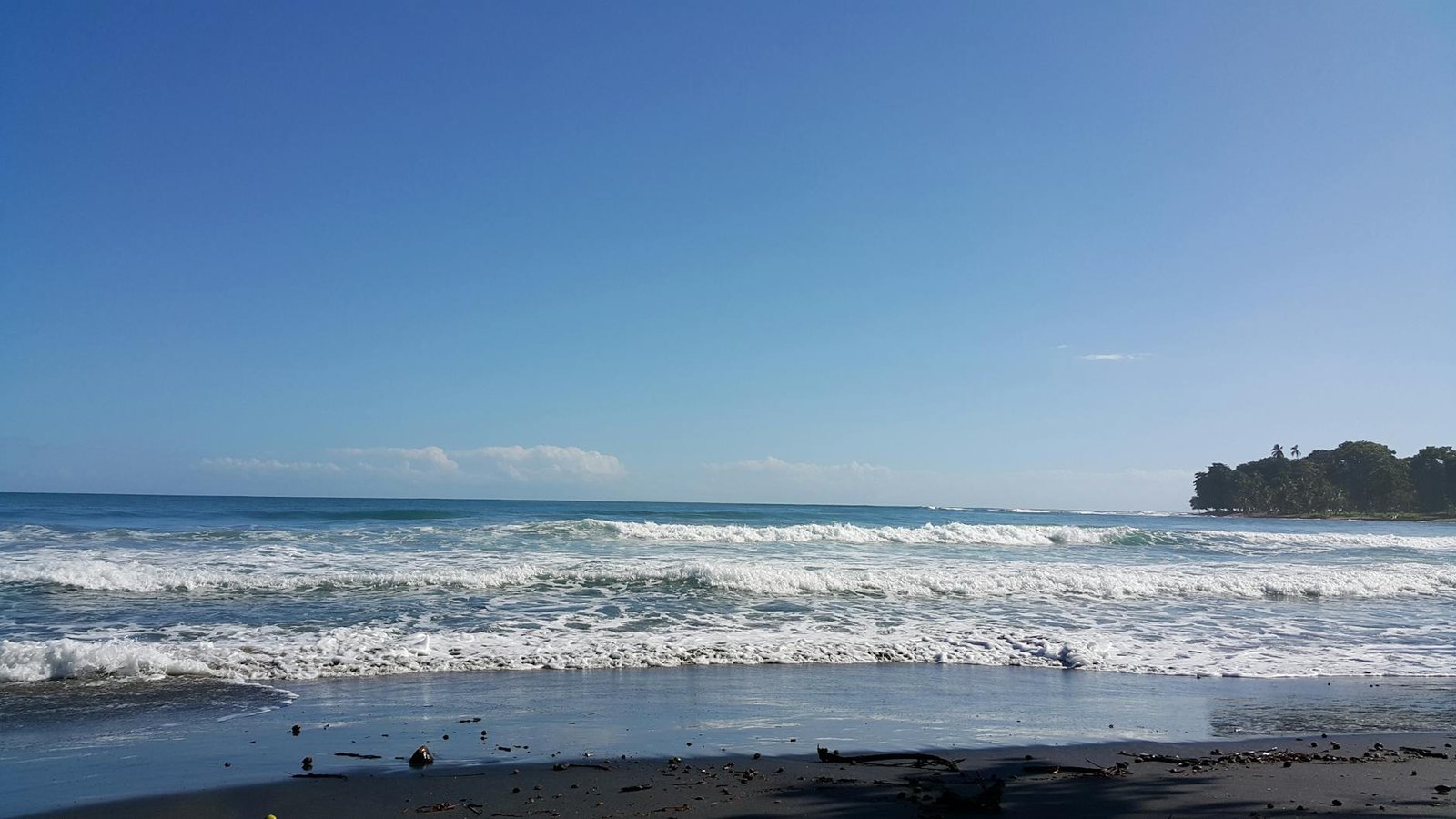
Puerto Caldera may not be Costa Rica’s most glamorous address, but it punches well above its weight as a gateway to some of Central America’s most thrilling landscapes. Positioned on the Gulf of Nicoya along the Pacific coast, this working industrial port drops you within striking distance of volcanoes, rainforests, whitewater rivers, and surf breaks that will make you wonder why you ever hesitated to book this itinerary. Come prepared to move fast — one day here is never quite enough.
Arriving by Ship
Cruise ships dock directly at Puerto Caldera’s commercial pier, about 90 kilometres west of San José and roughly 15 kilometres south of the city of Puntarenas. The terminal itself is functional rather than fancy — think gantry cranes and cargo containers rather than manicured plazas — so don’t linger at the dock expecting a charming waterfront scene. Instead, get moving.
Taxis and pre-arranged tour buses gather just outside the terminal gates. Puntarenas is a short ride north and makes a pleasant first stop if you want to ease into the day with a waterfront stroll before heading further afield. Most shore excursions depart quickly for inland destinations, so check in with your ship’s excursion desk the evening before to understand your options and logistics. Independent travellers can negotiate prices with local taxi drivers, though agreeing a round-trip rate upfront saves potential headaches later.
Things to Do

The real draw here is the surrounding landscape, and it rewards those willing to push past the port gates. The Río Sarapiquí offers some of Costa Rica’s most accessible whitewater rafting on Class II–III rapids — genuinely thrilling without being terrifying, and surrounded by lush jungle canopy that makes every paddle stroke feel cinematic. 🎟 Book: Best Whitewater Rafting Sarapiqui River, Costa Rica, Class II-III For those craving something more vertical, canyoning in the Lost Canyon delivers four hours of rappelling down waterfalls and navigating slot canyons carved through volcanic rock — an experience that feels genuinely remote even though you’re never far from civilisation. 🎟 Book: Canyoning in the Lost Canyon, Costa Rica
Closer to the port, the Carara National Park is an ecological gem sitting just 20 minutes north along the coastal highway. This transitional forest bridges dry and humid ecosystems, making it one of the best places in the country to spot scarlet macaws, caimans, and white-faced capuchin monkeys on the same morning walk. The Tarcoles River crocodile bridge nearby is a spectacle unto itself — pull over and look down at the congregation of massive reptiles sunbathing on the mudbanks below.
Local Food
Costa Rican cuisine is honest, comforting, and built around fresh ingredients rather than elaborate technique. In and around Puntarenas, look for casados — the national lunch plate of rice, black beans, salad, fried plantain, and your choice of fish, chicken, or meat — at any soda (local diner) you pass. Grilled corvina (sea bass) is a Pacific coast speciality that appears on most menus here and deserves your full attention.
Puntarenas is particularly famous for Churchill, a shaved-ice dessert layered with sweet syrup, powdered milk, and tamarind pulp sold from street carts along the malecón. It sounds simple, and it is — but on a humid Costa Rican afternoon it tastes like salvation. Wash everything down with agua de pipa, chilled coconut water served straight from the green shell, available from vendors throughout the town.
Shopping

Don’t expect duty-free malls or souvenir megastores here. Puerto Caldera and Puntarenas offer a more grounded shopping experience — markets stocked with handcrafted wooden bowls, painted oxcart-wheel magnets (the colourful ox cart is a national symbol), coffee, and locally made hot sauces that make excellent gifts. The Mercado Central in Puntarenas is your best option for authentic local goods at fair prices without the tourist markup. Look for hand-painted ceramics and woven bags from the Chorotega indigenous tradition if you want something with genuine cultural heritage behind it.
Practical Tips
Costa Rica runs on US dollars and Costa Rican colones interchangeably, so carrying a mix of both is useful. The heat and humidity are real — wear lightweight, breathable clothing, apply sunscreen generously, and carry more water than you think you’ll need. The rainy season runs from May to November, and afternoon downpours can be sudden and heavy; a compact rain jacket packs flat and earns its weight.
Spanish goes a long way — even a cheerful gracias and por favor smooths interactions considerably. If you’re considering travelling independently between destinations, shuttle services connect the wider Costa Rica circuit reliably. 🎟 Book: Shuttle Service from Puerto Viejo to San Jose, Costa Rica.
Puerto Caldera won’t seduce you with a pretty pier, but step through those terminal gates with curiosity and an adventurous spirit and Costa Rica’s Pacific side will reward you in ways that linger long after your ship has sailed.
🎟️ Things to Book in Advance
These highly-rated experiences fill up fast — book before you arrive to avoid missing out.


This page contains affiliate links. If you book through them, we may earn a small commission at no extra cost to you.
📍 Getting to Puerto Caldera Costa Rica
Use the interactive map below to explore the port area and plan your route from the terminal.
Leave a Reply