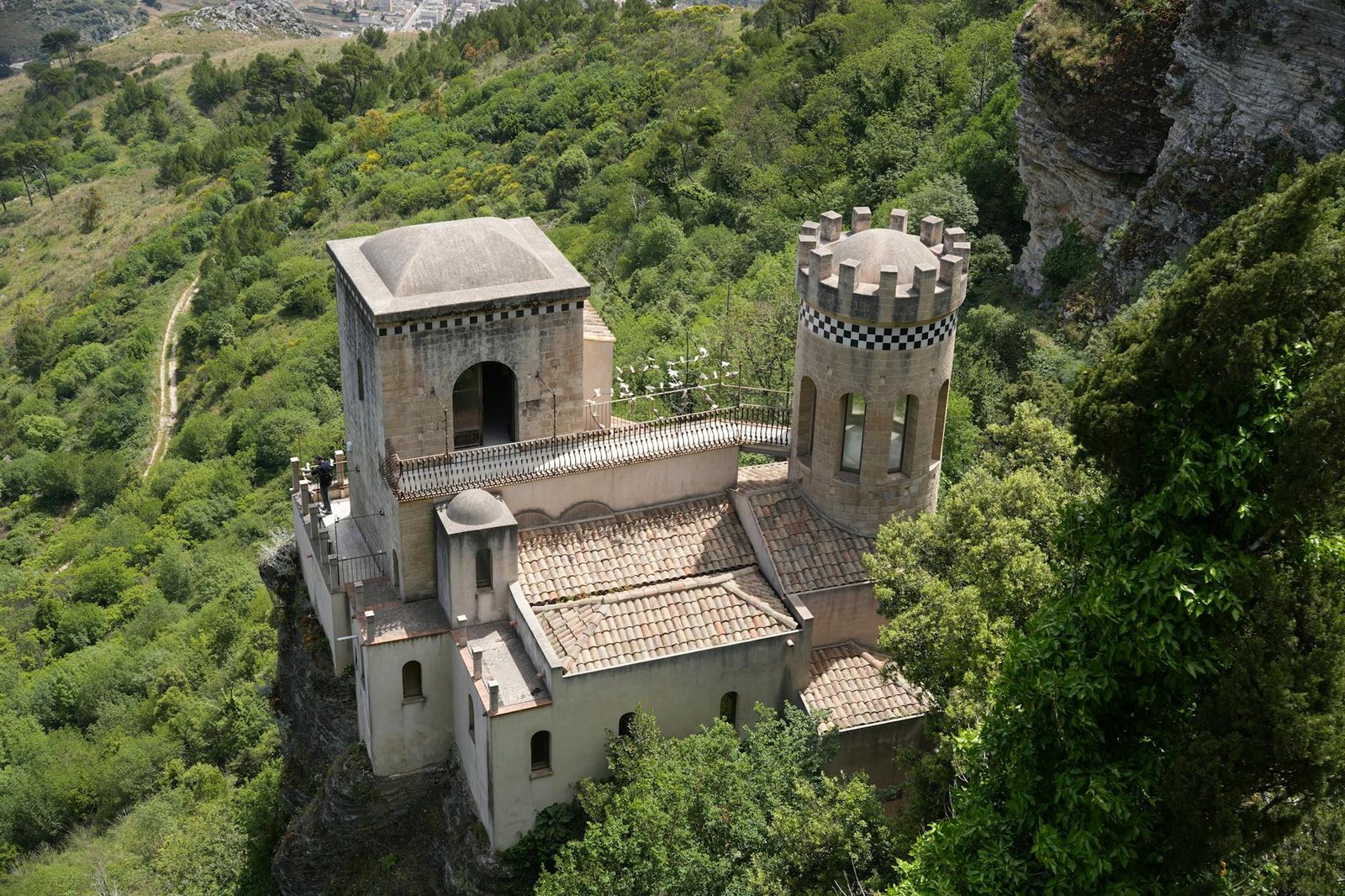
Most cruisers chase Venice or Verona — and miss this entirely. Torretta-Legnago sits in the fertile Po Valley, a slice of authentic northern Italy where the crowds thin out and the real Veneto reveals itself. Come curious, and you’ll leave with a full stomach, a bottle of local wine, and stories nobody else on your ship will have.
Arriving by Ship
Torretta-Legnago serves as a river cruise port on the Adige River, welcoming smaller vessels that navigate Italy’s inland waterways. Ships dock directly alongside the riverbank, so there’s no tender process — you step off and you’re already in the landscape. The town of Legnago itself is just a short walk or a quick taxi ride from the mooring point, making independent exploration genuinely easy.
The surrounding area is flat, green, and completely manageable on foot or by bicycle. Don’t expect a grand cruise terminal with shops and tour buses — this is an intimate, working port town, and that’s precisely its charm.
Things to Do

Legnago rewards slow travellers who enjoy digging into history and local culture rather than ticking off landmarks. The town punches above its weight for a place this size, with a rich military heritage, beautiful countryside, and easy connections to some of Veneto’s most celebrated destinations.
History & Culture
- Rocca di Legnago — Explore the remains of this medieval fortress that once defended the Adige River crossing; admission is free and the riverside views are excellent.
- Antonio Salieri Birthplace — Legnago is the birthplace of Mozart’s famous rival; a small museum dedicated to Salieri sits in the historic centre and costs just €3 to enter.
- Museo Civico di Legnago — This compact municipal museum covers local archaeology and history across two floors; open Tuesday–Sunday, roughly €4 entry.
- Cycling the Po Valley — Rent a bicycle from the town centre and follow flat, signposted cycle paths through vineyards and farmland; rentals start around €10–15 for a half-day. 🎟 Book: E-bike tour Bergamo
Day Trips
- Verona — Just 30 kilometres west, Verona’s Roman Arena and Juliet’s balcony are reachable by train in under 40 minutes; trains run frequently from Legnago station.
- Mantua (Mantova) — Head south into Lombardy and explore this UNESCO-listed city of lakes and Renaissance palaces; day passes for local transit run around €5.
- Soave Wine Region — Drive or taxi 25 kilometres northwest into the Soave wine hills for cellar-door tastings of Italy’s best-known white wine; most cantine offer tastings from €8–12.
Families
- Adige Riverbank Walks — The flat riverside paths are perfect for families with young children; pack a picnic from the morning market and make an afternoon of it.
- Agriturismo Visits — Several working farms on the town’s outskirts welcome visitors for a look at traditional Veneto agriculture; call ahead as hours vary.
What to Eat
The Veneto table is generous and deeply seasonal — think slow-braised meats, polenta in every form, and wines poured without ceremony. Legnago’s restaurants are priced for locals, not tourists, which means your euros stretch further here than almost anywhere else in northern Italy.
- Risotto all’Amarone — Rich risotto cooked with Amarone della Valpolicella wine; find it at Ristorante Al Ponte in the town centre for around €14–16 a plate.
- Bollito Misto — A classic Veronese dish of mixed boiled meats served with pearà sauce (a peppery bread sauce); order it at a traditional osteria for €12–15.
- Bigoli con l’Anatra — Thick hand-rolled pasta with duck ragù, a Veneto staple; look for it as a lunch special at smaller trattorias for €10–12.
- Soave DOC — Order a glass of local Soave white wine by the carafe at virtually any bar or osteria; expect to pay €3–5 per glass.
- Pandoro — The star-shaped Christmas cake originated in nearby Verona; buy a boxed one to take home from any local bakery for €6–10.
- Gelato Artigianale — Stop at a gelateria in the pedestrian centre for handmade gelato; two scoops typically cost €2.50.
Shopping

Legnago’s market days (typically Tuesday and Friday mornings) draw locals from across the valley and offer the best opportunity to pick up fresh produce, local cheeses, and cured meats. The pedestrian streets around Piazza Vittorio Emanuele hold a handful of independent shops selling regional wines, olive oils, and handmade ceramics — all worth browsing. Skip the generic tourist souvenirs and head straight for a bottle of Amarone or a wedge of aged Monte Veronese cheese instead.
Practical Tips
- Currency — Italy uses the Euro; carry some cash as smaller trattorias and market stalls rarely accept cards.
- Tipping — A 10% tip is appreciated but not expected; rounding up the bill is perfectly acceptable.
- Transport — Taxis are available near the port but limited in number; arrange your return time before setting off.
- Best time ashore — Go early to catch the morning market and avoid the midday heat in summer.
- How long you need — Three to four hours covers the town comfortably; allow a full day if you’re heading to Verona or Soave.
- Dress code — Cover shoulders and knees if entering any church or religious site.
- Language — English is spoken in restaurants but less so in shops; a few Italian phrases go a long way here.
Pack your walking shoes, order the bollito misto, and let Torretta-Legnago show you the Veneto that most cruisers never bother to find.
🎟️ Things to Book in Advance
These highly-rated experiences fill up fast — book before you arrive to avoid missing out.


This page contains affiliate links. If you book through them, we may earn a small commission at no extra cost to you.
📍 Getting to Torretta-Legnago, Italy
Use the interactive map below to explore the port area and plan your route from the terminal.
Leave a Reply