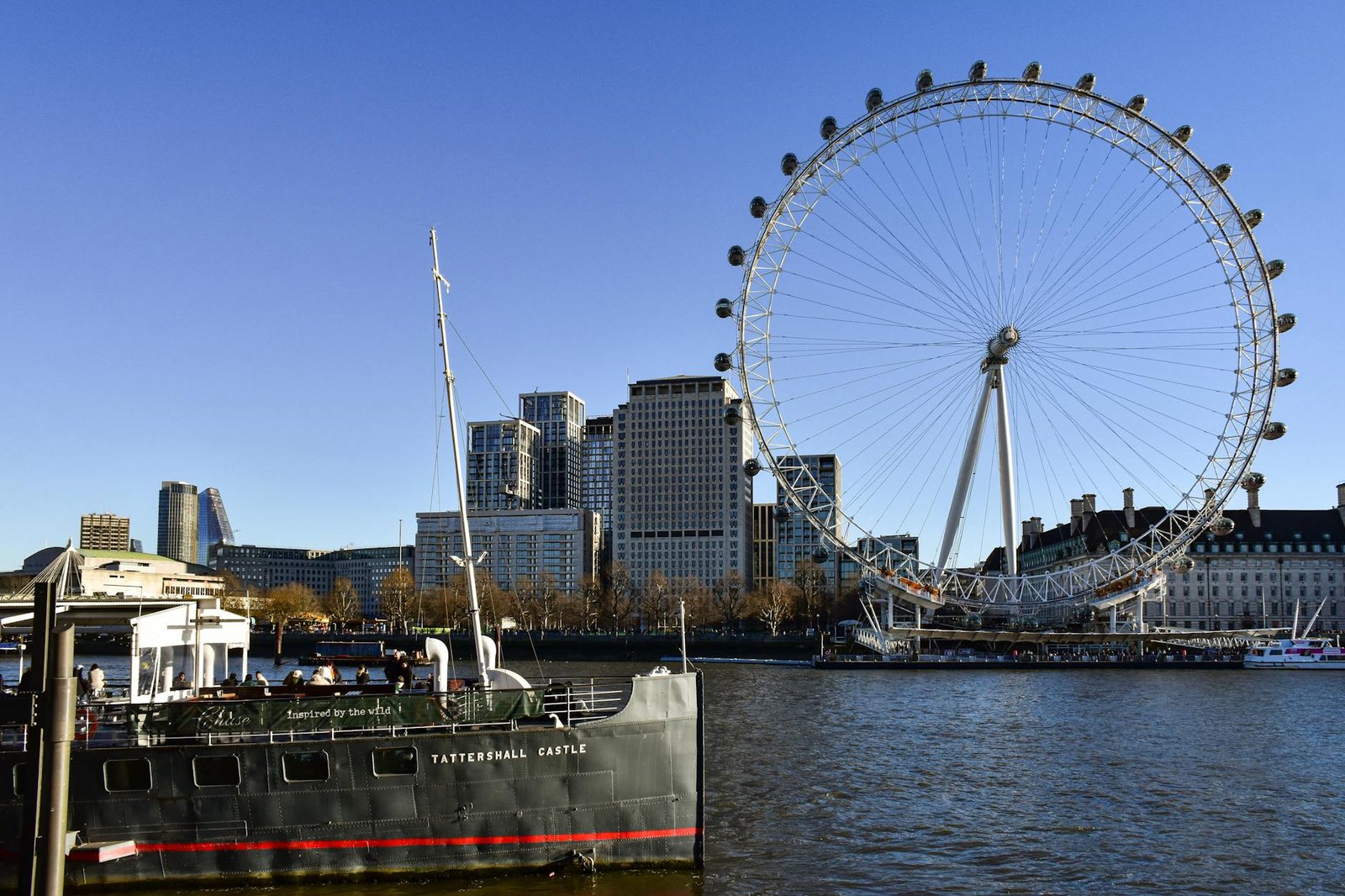
London is one of those rare cities that manages to feel simultaneously ancient and electric, where Roman walls stand a few streets away from cutting-edge art galleries and Michelin-starred restaurants. For cruise passengers sailing into the Thames, it represents one of the most culturally loaded port calls on any European itinerary. Whether you have a single day or a leisurely long weekend, London rewards every minute you give it.
Arriving by Ship
Most cruise ships serving London dock at Tilbury Cruise Terminal in Essex, roughly 25 miles east of central London. It’s a well-organised, purpose-built terminal with good facilities, though the journey into the city takes some planning. The most convenient option is the direct Tilbury to London Fenchurch Street train, which runs frequently and takes around 40 minutes — making it one of the easier port-to-city transfers in Northern Europe. Some smaller expedition vessels and river cruise ships dock at Greenwich or even alongside the Embankment, which puts you practically within walking distance of the action. Taxis and pre-booked private transfers are also readily available at Tilbury, and many cruise lines offer shuttle buses into the city. If you’re arriving on a larger ship, give yourself at least 30 minutes to clear the terminal before factoring in travel time.
Things to Do

The challenge in London isn’t finding something to do — it’s deciding what to leave out. The city’s iconic landmarks are genuinely worth seeing: the Tower of London, St. Paul’s Cathedral, Buckingham Palace, and the Houses of Parliament deliver on every postcard promise. A classic walking tour is one of the smartest ways to cover ground efficiently while absorbing the history layered into every street corner. 🎟 Book: London: Classic London Highlights Walking Tour For something more structured and wide-ranging, a full-day sightseeing experience that includes the London Eye gives you sweeping views over the Thames and a sense of the city’s extraordinary scale. 🎟 Book: London Full Day Sightseeing Tour with London Eye
Beyond the obvious, London’s neighbourhoods each have their own personality. Shoreditch buzzes with street art and independent coffee shops. Notting Hill is all pastel-painted terraces and charming boutiques. The South Bank offers the Tate Modern, Shakespeare’s Globe, and some of the best riverside walking in Europe — all completely free. The City of London, the ancient square mile at the heart of it all, is a fascinating blend of Roman ruins and gleaming financial towers. 🎟 Book: London: City of London Walking Tour
Local Food
London’s food scene has undergone a quiet revolution over the past two decades, and the city now ranks among Europe’s most exciting dining destinations. Borough Market near London Bridge is practically a pilgrimage site for food lovers — a covered Victorian market piled high with artisan cheeses, charcuterie, fresh pasta, and street food from around the world. Soho and Covent Garden are particularly rewarding for grazing, with a dense concentration of restaurants, bakeries, and street-food stalls representing cuisines from every corner of the globe. 🎟 Book: London: London Food Tour of Soho & Covent Garden
Don’t overlook traditional British food in its modern form: a well-executed pie and pint at a proper pub, fish and chips wrapped in paper near the Thames, or a proper afternoon tea at one of the grand hotels. These aren’t tourist traps if you choose wisely — they’re genuine cultural experiences. Sunday is an especially good day to explore London’s market food culture. 🎟 Book: Authentic London Sunday Markets with a Londoner
Shopping

London offers a shopping experience that ranges from aristocratic to eccentric. Oxford Street is the obvious choice for high-street brands and department stores like Selfridges and John Lewis. Carnaby Street runs nearby with a more independent, fashion-forward edge. For luxury, Knightsbridge — home to Harrods and Harvey Nichols — is in a league of its own. Portobello Road Market in Notting Hill is famous for antiques, vintage clothing, and quirky finds, particularly on Saturdays. Covent Garden’s mix of independent retailers, designer boutiques, and street performers makes it one of the most enjoyable shopping destinations in the city. If you’re looking for something uniquely British to bring home, think quality tweeds, bone china, single malt whisky, or books from one of the city’s legendary independent bookshops.
Practical Tips
London is expensive — budget accordingly, especially for food and transport. The Oyster card (or a contactless bank card) makes navigating the Underground and buses seamless and significantly cheaper than buying individual tickets. Most major attractions offer free entry, including the British Museum, the National Gallery, and the Natural History Museum, which is a remarkable saving. Tipping around 10–15% is customary in restaurants but not obligatory. The city is very walkable between many central neighbourhoods, so comfortable shoes are non-negotiable. If your ship docks at Tilbury on a weekday, trains run very regularly, but check the last departure time carefully before heading out for the evening.
London rewards spontaneity as much as careful planning — leave a little room in your itinerary to get pleasantly lost, because in this city, the unexpected detour is often the best part of the day.
🎟️ Things to Book in Advance
These highly-rated experiences fill up fast — book before you arrive to avoid missing out.


This page contains affiliate links. If you book through them, we may earn a small commission at no extra cost to you.
📍 Getting to London United Kingdom
Use the interactive map below to explore the port area and plan your route from the terminal.
Leave a Reply