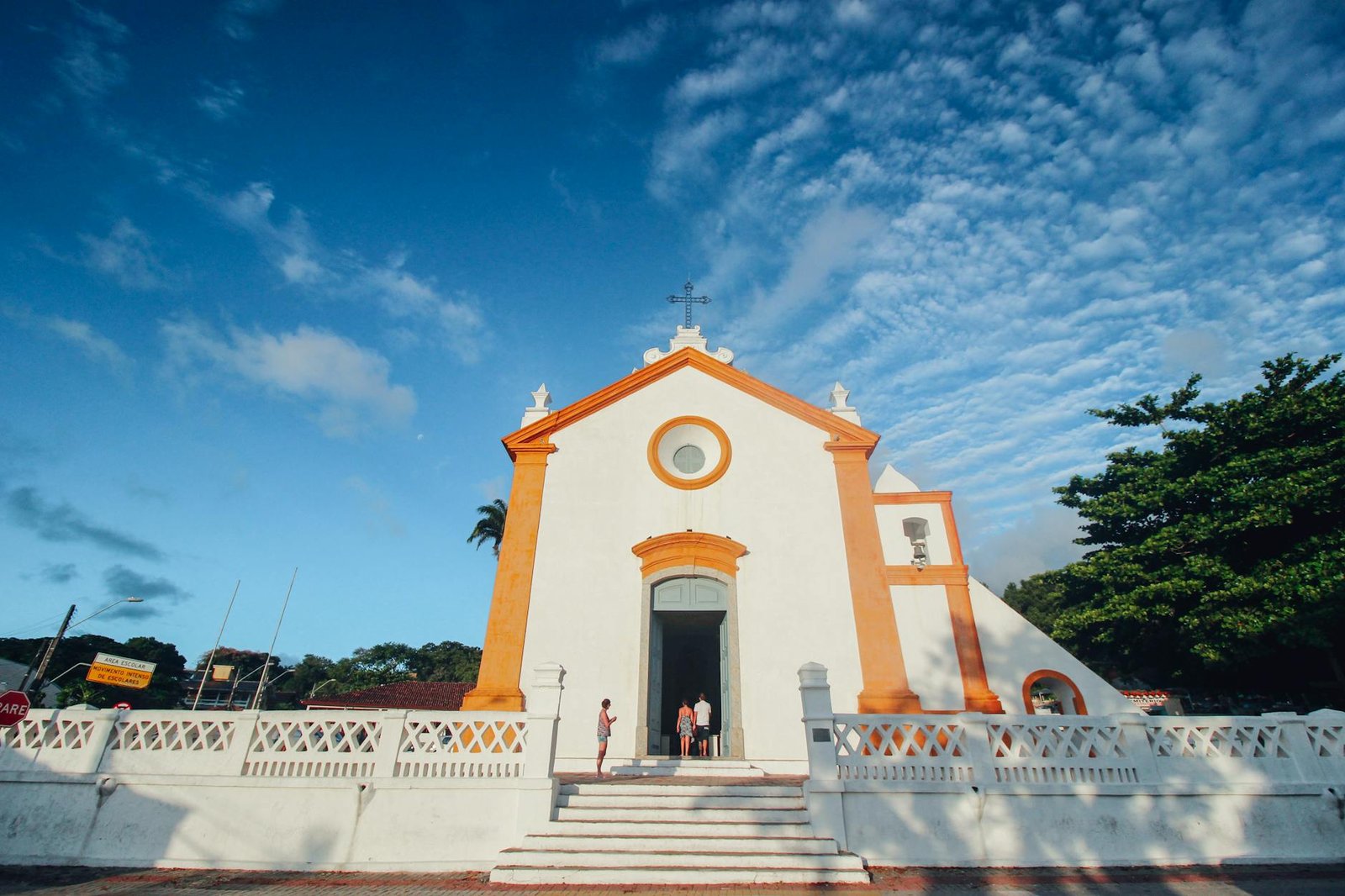
Príncipe Island is one of the least-visited places on earth — and Santo António, its tiny colonial capital, is exactly as extraordinary as that sounds. Cobblestone streets, crumbling Portuguese mansions draped in bougainvillea, and a rainforest that presses right up against the town’s edge: this is a port that genuinely stops you in your tracks. Come prepared to be surprised.
Arriving by Ship
Santo António has a small but functional deep-water quay, so most vessels can dock directly rather than tender — a welcome relief given the equatorial heat. The port sits right at the edge of town, meaning you’re on those cobblestones within minutes of stepping off the gangway.
The island is tiny (only 142 square kilometres), and the capital is compact enough to explore almost entirely on foot. Taxis and moto-taxis wait just outside the port gate if you want to reach the more remote beaches or jungle interiors.
Things to Do

Santo António punches well above its weight for a town of just a few thousand people. From UNESCO-listed biodiversity to sunken colonial history, there’s a genuine sense that you’ve stumbled onto something the rest of the world hasn’t caught up with yet.
History & Culture
- Roça Sundy Plantation — visit this atmospheric 19th-century cocoa estate, famous as the site where Einstein’s Theory of Relativity was experimentally confirmed in 1919; guided tours run most mornings.
- Santo António Cathedral — the compact, whitewashed cathedral at the town’s heart dates to the Portuguese colonial era and is worth ten quiet minutes inside.
- Museu Nacional do Príncipe — a small but well-curated museum covering the island’s history from slave-trade hub to cacao powerhouse; entry is around $2 USD.
- Colonial street walk — wander the Rua da Conceição and surrounding streets to photograph the faded pastel facades of former merchant houses, many still inhabited.
Nature & Adventure
- Príncipe Biosphere Reserve hiking — the island’s interior is a UNESCO-designated reserve; local guides lead half-day jungle treks to see endemic birds like the Príncipe sunbird and giant weaver. Budget around $30–50 USD per person.
- Praia Banana — widely regarded as one of the best beaches in Africa, this crescent of white sand backed by palms is about 20 minutes by taxi from the port; entry to the beach area is free.
- Praia Abade — a wilder, more remote stretch on the island’s southern tip; ask your moto-taxi driver to take you for around $10–15 USD return.
- Snorkelling off Bom Bom Island — the reef systems around Príncipe are almost entirely untouched; operators near the port can arrange half-day snorkel excursions from around $40 USD. 🎟 Book: Adventure Sea Kayak and Snorkeling at Manuel Antonio
- Mangrove exploration by boat — the island’s mangrove channels are rich in birdlife and offer a completely different perspective on Príncipe’s ecosystems. 🎟 Book: Mangrove Boat Tour Damas Island, Manuel Antonio
What to Eat
Príncipe’s food is a direct reflection of its history — Portuguese technique folded into West African ingredients, with cacao running through everything from savoury sauces to desserts. Portions are generous and prices are low by any international standard.
- Calulu — the national dish of São Tomé and Príncipe: a slow-cooked stew of dried fish, palm oil, okra, and leafy greens; find it at local restaurants in the town centre for around $4–6 USD.
- Grilled barracuda — freshly caught and simply grilled, served at small harbour-side restaurants; expect to pay $8–12 USD for a full plate.
- Príncipe dark chocolate — locally grown Forastero cacao produces intensely flavoured bars sold at small shops near the market; around $3–5 USD per bar.
- Caldo de peixe — a light, fragrant fish broth served as a starter at almost every local eatery; rarely more than $2 USD.
- Banana frita — fried plantain served as a side dish or snack; ubiquitous at street stalls and essentially free at under $1 USD.
- Caipirinha de cana — the local sugarcane spirit mixed lime-style; order one at any bar in town for around $2 USD.
Shopping

The Mercado Municipal near the town centre is your best stop — stalls sell fresh cacao pods, dried spices, local honey, and hand-woven baskets. Arrive before 10am for the best selection and a more local atmosphere. Príncipe chocolate bars and bottled palm wine make genuinely excellent, lightweight gifts to take home.
Avoid buying any wildlife products, shells, or coral — Príncipe’s conservation status means these are both ethically questionable and potentially illegal to export. Stick to crafts and food products and you won’t go wrong.
Practical Tips
- Currency: The local currency is the São Tomé and Príncipe dobra (STN); euros are widely accepted, but US dollars less reliably so — bring some euros ashore.
- Tipping: A small tip of 5–10% is appreciated at restaurants; round up moto-taxi fares as a courtesy.
- Transport: Moto-taxis are the fastest and cheapest way to reach beaches; agree a price before you get on.
- Safety: Príncipe is extremely safe by any measure — petty theft is rare, but keep phones out of sight as a basic precaution.
- Time ashore: You need at least 5–6 hours to see the town and one beach; a full day lets you reach the interior.
- Sun: The equatorial sun is intense year-round — bring SPF 50, a hat, and more water than you think you’ll need.
- Best time ashore: Go early; the heat peaks between noon and 3pm and the market is liveliest before 10am.
Príncipe doesn’t shout for your attention — it simply waits, unhurried and extraordinary, for the rare traveller willing to step off the ship and discover what the world looked like before everyone found it.
🎟️ Things to Book in Advance
These highly-rated experiences fill up fast — book before you arrive to avoid missing out.


This page contains affiliate links. If you book through them, we may earn a small commission at no extra cost to you.
📍 Getting to Santo Antonio, Principe Island
Use the interactive map below to explore the port area and plan your route from the terminal.
Leave a Reply