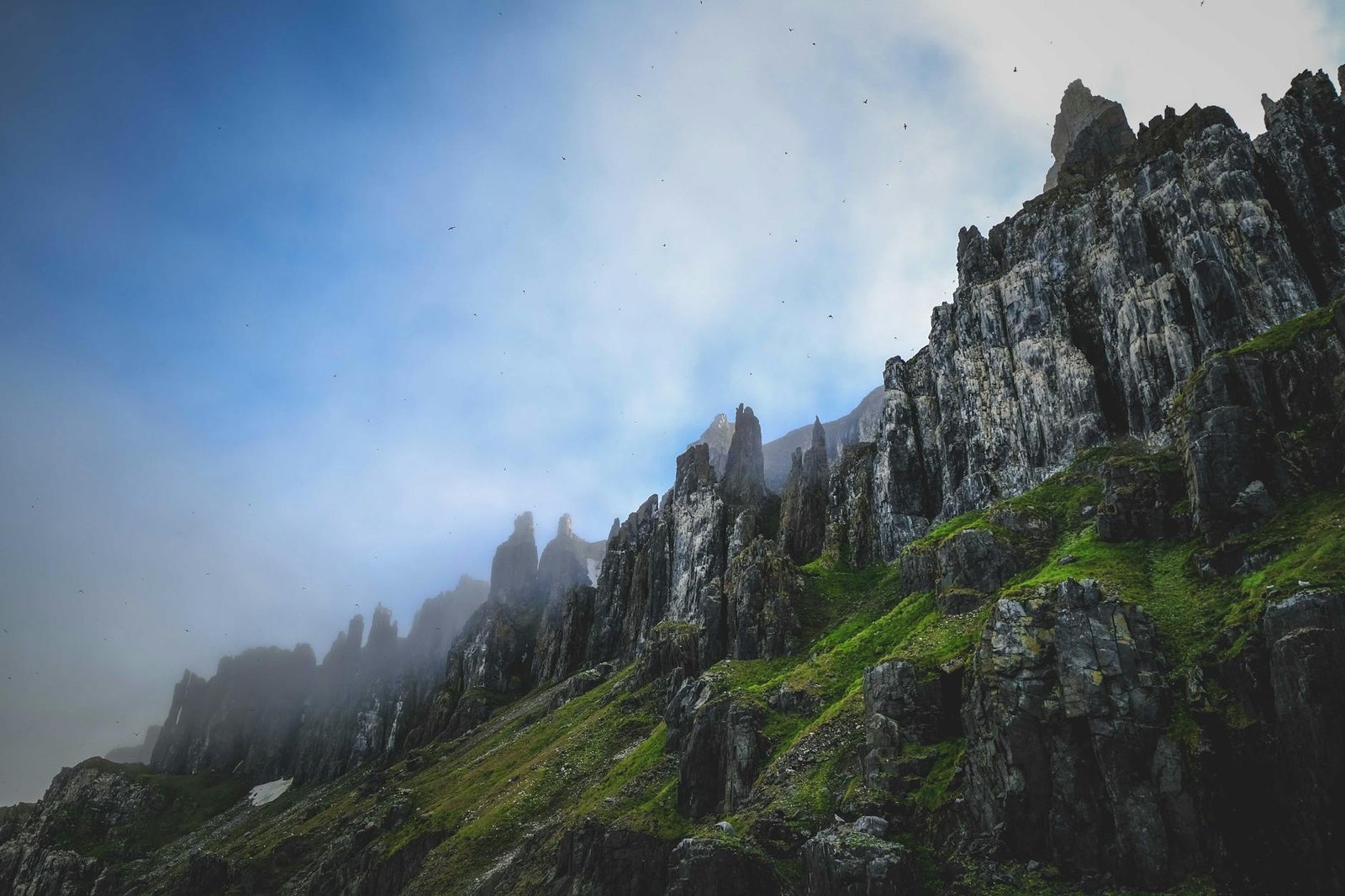
Edgeøya is not a port of call — it’s a reckoning. This remote island in the Svalbard Archipelago sits at roughly 78°N, draped in Arctic tundra, ancient ice, and a silence so complete it feels physical. If your expedition cruise brings you here, pay attention: very few people ever get this close to the edge of the inhabited world.
Arriving by Ship
There is no dock, no harbour master, and no pier waiting for you at Edgeøya. All landings are made by Zodiac inflatable tender, coordinating carefully with expedition staff who monitor ice conditions, weather windows, and polar bear activity before anyone sets foot on shore.
Your ship will anchor offshore — distances vary depending on conditions and chosen landing sites such as Diskobukta or Kapp Lee — and briefings are thorough and mandatory. Expect a wet landing, meaning you’ll wade through shallow water to reach the beach, so waterproof boots are non-negotiable.
Things to Do

Edgeøya rewards the genuinely curious. There are no tourist attractions in the conventional sense — instead, everything here is the attraction: the raw geology, the wildlife, the echoes of human history written faintly across an almost untouched landscape.
Wildlife
- Spot polar bears — Edgeøya has one of the highest polar bear densities in Svalbard; your expedition guides will carry rifles and lead all shore excursions with safety protocols in place.
- Watch walrus colonies at Kapp Lee, where large numbers haul out on the gravel shores; approach distances are strictly managed to avoid disturbance.
- Look skyward for Arctic birds including thick-billed murres, glaucous gulls, and the iconic Arctic tern, all nesting or feeding along the coastline in summer months.
- Scan the shallows for ringed and bearded seals, frequently spotted near ice floes or resting close to shore.
History
- Explore the ruins at Kapp Lee, a former Russian Pomor hunting station dating back several centuries — low stone foundations and scattered remnants tell a story of extraordinary Arctic endurance.
- Visit Diskobukta, a whaling-era site where 17th-century Dutch whalers processed bowhead whales; whale bones still lie half-buried in the tundra, a haunting and humbling sight.
- See the trapper’s cabin remnants scattered across the island, left by Norwegian trappers who overwinter-hunted here well into the 20th century — a lifestyle almost incomprehensibly isolated.
Landscape
- Walk across open tundra carpeted in Arctic wildflowers during July and August — purple saxifrage, Arctic poppy, and moss campion colour the ground in vivid defiance of the latitude.
- Photograph the glaciers that spill from Edgeøya’s interior, particularly striking against the steel-grey Arctic sea on overcast days.
- Stand at the edge of genuine remoteness — there are no permanent human inhabitants on Edgeøya, and the Norwegian government protects the island as part of the Southeast Svalbard Nature Reserve.
What to Eat
There are no cafés, restaurants, or food vendors on Edgeøya — your expedition ship is your kitchen, your dining room, and your warm refuge. Expedition cruise lines sailing these waters typically serve high-quality meals designed to fuel active days in cold conditions, and the food onboard is a highlight in itself.
- Hot soup on deck — many ships serve warming broths or chowders as you return from a Zodiac excursion; simple, restorative, and exactly what you need.
- Freshly baked bread at breakfast is a standard on most polar expedition vessels; don’t underestimate how good this feels at 6am before a morning landing.
- Reindeer or Arctic char may feature on dinner menus aboard your ship, depending on the cruise line — both are regional staples across Svalbard.
- Norwegian smørbrød (open sandwiches) served at lunch onboard offer a taste of Scandinavian food culture without leaving the ship.
- Hot chocolate from the ship’s galley is practically a polar expedition institution and worth every calorie after hours in a Zodiac.
Shopping

Edgeøya has no shops, market stalls, or vendors of any kind. Your only shopping opportunity comes from the onboard expedition store, which most cruise lines stock with branded merchandise, field guides to Svalbard wildlife, and high-quality Arctic photography books.
If you want authentic Svalbard souvenirs — hand-carved soapstone, local art, or expedition gear — plan ahead and shop in Longyearbyen before or after your voyage. Avoid buying anything made from protected species or found on shore; removing natural materials from nature reserves in Svalbard is illegal and carries serious fines.
Practical Tips
- Currency is the Norwegian Krone (NOK), but you won’t spend a single coin on Edgeøya itself — all transactions happen onboard.
- Tipping is not expected in Norwegian culture, though some expedition ships have a crew gratuity fund you can contribute to voluntarily.
- Dress in thermal layers — even in July, temperatures can hover around 2–5°C with windchill making it feel significantly colder.
- Always stay with your guide group on shore; polar bear encounters are a real possibility and solo movement is forbidden.
- Waterproof everything — cameras, phones, and passports should all be in dry bags or waterproof cases for Zodiac transfers.
- The best landing windows are typically morning, when winds are calmer; listen carefully to your expedition leader’s daily briefings.
- Give yourself the full day — landings here are rare and conditions can change fast, so be ready to drop everything when the Zodiac call comes.
Edgeøya will not pamper you, but it will change you — and that’s exactly the point.
📍 Getting to Edgeoya Island, Svalbard Norway
Use the interactive map below to explore the port area and plan your route from the terminal.
Leave a Reply