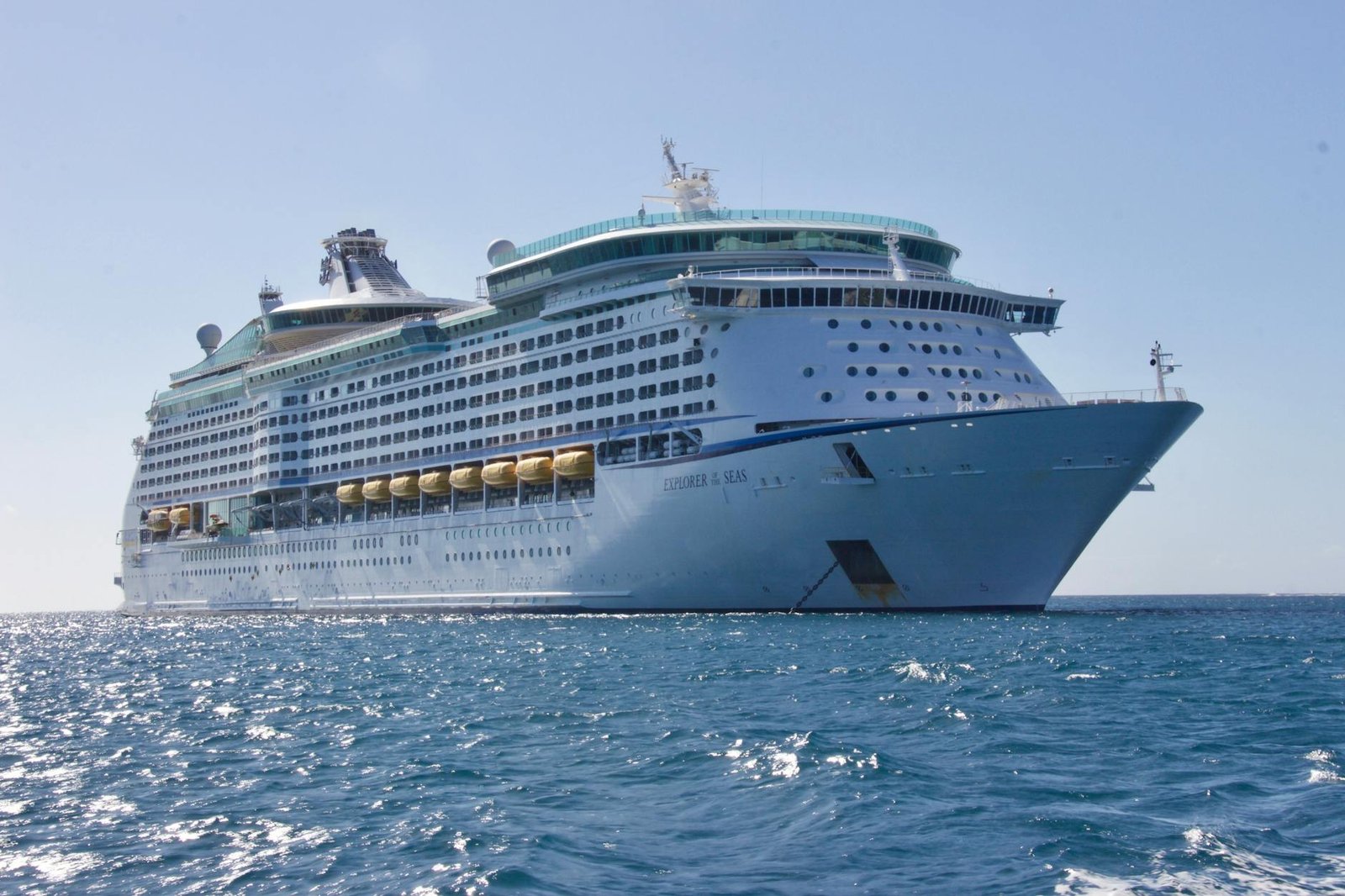
Barely rising above sea level in the heart of the South Pacific, Funafuti is one of the most remote and extraordinary cruise destinations on the planet. This tiny atoll capital of Tuvalu sits roughly halfway between Hawaii and Australia, a slender crescent of coral reef sheltering a vast turquoise lagoon. Arriving here feels less like a port call and more like stepping into a living postcard that very few travellers ever get to see in person.
Arriving by Ship
Because Funafuti lacks a dedicated cruise terminal, ships anchor offshore and tender passengers into the main settlement. The tender ride itself is an experience — gliding across that impossibly blue lagoon with the palm-fringed islets (known locally as motu) scattered in every direction is a genuine highlight. Once ashore, you land near the main wharf close to Vaiaku village, the functional heart of the capital. The entire island is narrow enough that you can walk from the lagoon side to the ocean side in a couple of minutes, which gives you an immediate sense of just how delicate and precious this place is. Immigration formalities are typically handled efficiently, and the atmosphere onshore is relaxed and genuinely welcoming.
Things to Do

Funafuti rewards slow exploration rather than ticking off landmark attractions. The Funafuti Conservation Area is the undisputed centrepiece — a protected marine park covering reef, lagoon, and several uninhabited islets where nesting sea turtles, reef sharks, and vast schools of tropical fish thrive. Snorkelling here is world-class, so bring your own gear if possible, though local operators can sometimes supply it.
Cycling is the most popular way to get around the main island. Hire a bicycle from a guesthouse and pedal the length of the airstrip — one of the more surreal road trips you will ever do, sharing tarmac with the occasional aircraft. The Tuvalu Philatelic Bureau is worth visiting if you collect stamps; Tuvaluan postage is genuinely sought-after worldwide. The rusting hulks of World War II-era American military equipment scattered along the shoreline offer a sobering reminder of the island’s strategic wartime significance. And simply sitting on the lagoon edge at low tide, watching local children splash in the shallows, is time well spent.
Local Food
Tuvaluan cuisine is built on simple, fresh ingredients that reflect the ocean-bound reality of island life. Fish dominates — tuna, parrotfish, and reef fish are commonly grilled, eaten raw in coconut cream, or cooked in an umu (earth oven). Breadfruit, taro, and coconut feature in almost every meal. If you are invited to share food at a local home or community gathering, accept without hesitation; hospitality here is deeply culturally significant.
The small bakeries and roadside stalls near the main wharf sell fresh bread and pastries in the mornings, and sweet coconut biscuits are popular snacks. Toddy — a fermented drink made from coconut sap — is the local tipple, and while it is an acquired taste, trying a small cup is part of the experience. Sit-down restaurants are limited, so expect informal, communal eating rather than polished dining establishments.
Shopping

Funafuti is not a shopping destination in any conventional sense, which is actually refreshing. What you will find are genuine, locally made handicrafts with real cultural meaning. Woven pandanus mats, baskets, and fans are the standout purchases — Tuvaluan weaving is intricate and beautiful, and these items make meaningful souvenirs. Hand-carved wooden fish and shell jewellery are also available from the small craft market and community stalls near the waterfront.
The aforementioned philatelic bureau sells limited-edition stamps and first-day covers that double as unique, portable pieces of Pacific postal history. Bring cash in Australian dollars (the accepted currency here), as card payments are essentially non-existent at small stalls and markets.
Practical Tips
- Currency: Australian dollars are used throughout Tuvalu. Carry sufficient cash before arriving, as ATM access is unreliable.
- Dress modestly when venturing inland from the beach — shoulders and knees covered is always appreciated.
- Sun protection is non-negotiable. The equatorial sun is fierce, so bring reef-safe sunscreen, a hat, and UV-protective swimwear.
- Stay hydrated. Bottled water is available but in limited supply, so bring some from the ship.
- Climate sensitivity: Be respectful in conversations about climate change — Tuvalu faces an existential threat from rising sea levels, and locals feel this deeply.
- Wi-Fi and mobile data are very limited or unavailable, so embrace the digital detox.
Cruises That Visit Funafuti, Tuvalu
Funafuti is one of the rarest inclusions on any cruise itinerary, appearing almost exclusively on extended expedition and world voyage sailings. Silversea Cruises has included Funafuti on its Silver Muse and Silver Whisper world cruise segments, typically as part of a broader South Pacific routing that connects Fiji, Samoa, and the Marshall Islands. These voyages commonly depart from Sydney or Auckland and form part of longer 100-plus night world cruises.
Ponant, the French expedition line, has also featured Funafuti on deep-immersion Pacific island voyages aboard ships like Le Soléal, departing from Papeete or Auckland on itineraries running between 14 and 21 nights.
Seabourn occasionally includes Funafuti on its ultra-luxury Pacific odyssey itineraries, usually as part of a 30-to-40-night segment connecting Australia with Hawaii or Japan.
The best time to sail is during the dry season, from April to October, when seas are calmer and humidity is lower. Avoid the cyclone season (November through March) when weather conditions can significantly disrupt tender operations and outdoor activities.
🚢 Cruises That Stop at Funafuti Tuvalu
Ready to book a cruise to Funafuti Tuvalu?
Compare itineraries, prices, and cabin types from all the major cruise lines — with a best price guarantee and no booking fees.
🔍 Search Cruises to Funafuti Tuvalu →
Affiliate link — we may earn a commission if you book, at no extra cost to you.
Funafuti is not a port you visit for its infrastructure or its shopping. You visit because it exists — fragile, luminous, and utterly unlike anywhere else on earth. If your cruise itinerary includes this tiny atoll, treat every hour ashore as the rare privilege it truly is.
📍 Getting to Funafuti Tuvalu
Use the interactive map below to explore the port area and plan your route from the terminal.
Leave a Reply