Portobelo is one of the Caribbean’s most dramatically layered destinations — a place where crumbling Spanish colonial forts meet turquoise water and lush jungle hillsides. Despite occasionally being misidentified in cruise databases, Portobelo is located on Panama’s Caribbean coast, not Brazil, and it delivers an experience that feels genuinely off the beaten path. If you’re looking for history, colour, and authenticity in a single port call, this is it.
Arriving by Ship
Most cruise ships anchor offshore and tender passengers into Portobelo’s small harbour, so expect a short but scenic boat ride as your introduction to the town. The tender landing area drops you almost directly in front of the ruins of the 17th-century Spanish fortifications, which means history greets you the moment you step ashore. The town itself is compact and walkable, and you won’t need a taxi to reach most of the major sights from the dock. That said, if you want to venture further along the coast or into the surrounding jungle, hiring a local guide or arranging a tour through your cruise line is a smart move.
Things to Do

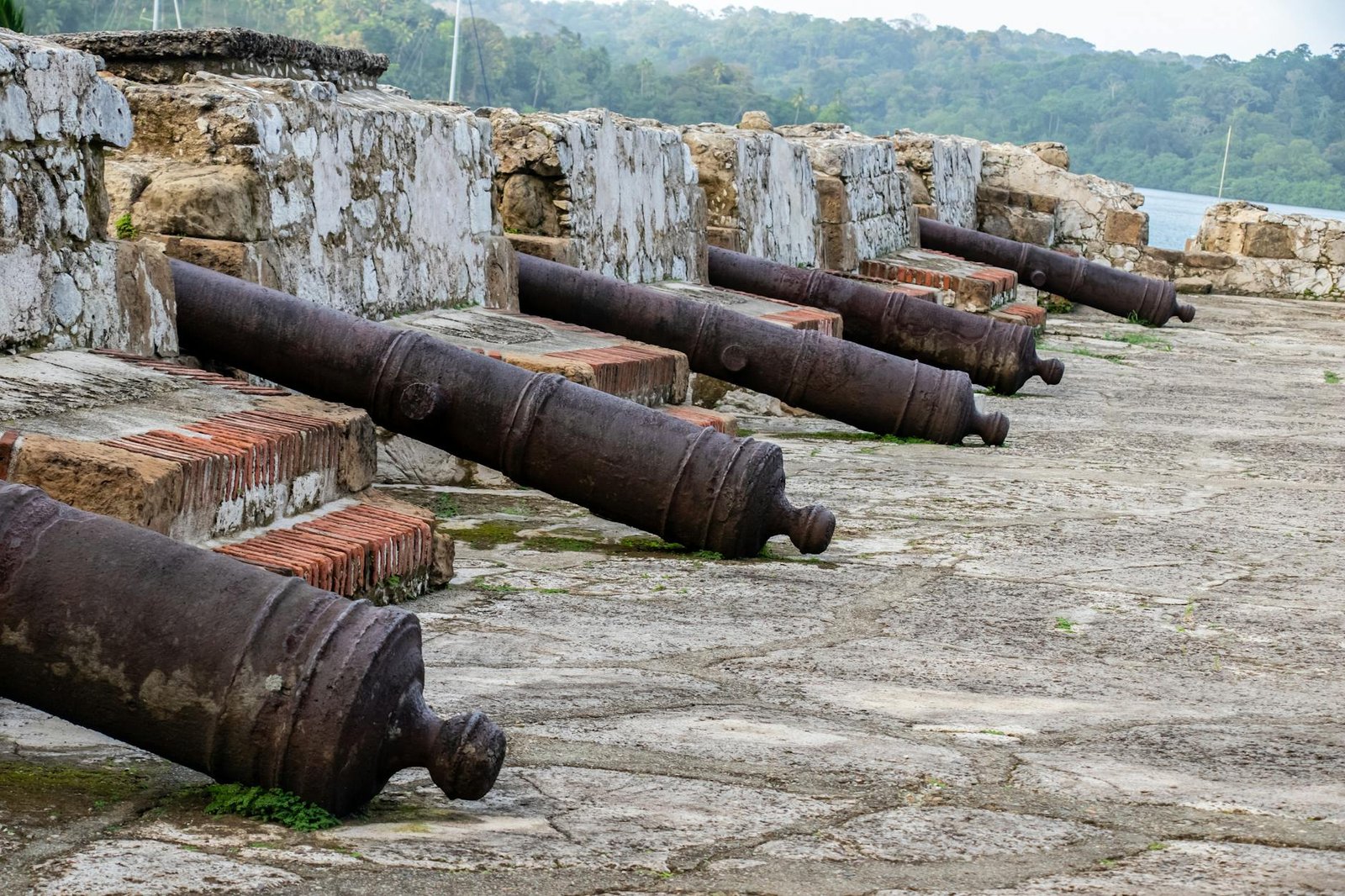
Portobelo is a UNESCO World Heritage Site, and the reason is immediately obvious when you lay eyes on the Castillo de San Lorenzo-style fortifications ringing the bay. The Real Aduana (Royal Customs House) is particularly well preserved and houses a small but fascinating museum that traces the town’s role as the terminus of the Spanish treasure route from Peru. Cannons still point out to sea from the battlements — a reminder that Sir Francis Drake and later Henry Morgan attacked this very harbour.
Beyond the forts, the Iglesia de San Felipe houses the famous Black Christ statue, a deeply venerated figure that draws pilgrims from across Panama every October. Even outside of festival season, the church is a moving and culturally significant stop. For the more adventurous, kayaking through the mangroves or snorkelling around the coral reefs just outside the bay are excellent ways to spend a warm afternoon. The surrounding Portobelo National Park offers hiking trails where howler monkeys are practically guaranteed companions.
Local Food
Portobelo’s food scene is modest but rewarding if you know where to look. Small restaurants and family-run fondas along the waterfront serve fresh Caribbean-influenced Panamanian cooking — think coconut rice, fried plantains, patacones, and whole snapper grilled over wood fire. Seafood is the obvious order here; ceviche made with freshly caught fish and doused in lime and ají chombo chilli is a local staple you shouldn’t skip. You’ll also find cold bottles of Balboa beer and homemade fruit juices made from maracuyá (passion fruit) and tamarind that are perfect for cooling down in the tropical heat. Don’t expect slick restaurants — the best meals happen at plastic tables under corrugated tin roofs.
Shopping

Shopping in Portobelo is refreshingly low-key and local. Artisan stalls near the waterfront sell handmade beaded jewellery, mola textiles (the intricate hand-stitched fabric panels made famous by the Kuna Guna people), carved tagua nut figures, and hand-painted ceramics. Prices are reasonable and bargaining is generally accepted in a friendly, relaxed way. Look out for local vendors selling homemade hot sauces and bags of dried cacao from the surrounding region — both make excellent, lightweight souvenirs. Skip the generic mass-produced trinkets in favour of pieces made by the craftspeople sitting right in front of you; the quality and authenticity make a genuine difference.
Practical Tips
Portobelo operates on Panamanian currency — the balboa — which is pegged one-to-one with the US dollar, so American dollars are accepted everywhere. Credit cards are rarely accepted in small local establishments, so bring cash. The climate is hot and humid year-round, so wear lightweight, breathable clothing, apply strong sunscreen, and carry insect repellent if you’re heading into the jungle or mangroves. Spanish is the primary language, though some locals in tourist-facing roles speak basic English. Tender schedules can be tight, so keep an eye on your ship’s all-aboard time and build in buffer time for the return tender queue, which can lengthen quickly in the late afternoon.
Cruises That Visit Portobelo, Panama
Portobelo appears most frequently on Panama Canal and Caribbean itineraries operated by smaller expedition-style and premium cruise lines. Windstar Cruises includes Portobelo as a highlight on several of its Panama Canal and Costa Rica itineraries, departing from ports like Colón, Panama City, or San José (Puerto Caldera), Costa Rica. These sailings typically run between seven and fourteen nights and are particularly well suited to travellers who want to go beyond mainstream Caribbean ports.
Silversea and Seabourn have also featured Portobelo on their Panama and Central America voyages, often as part of longer repositioning or explorer itineraries departing from Miami or Fort Lauderdale. Voyage lengths for these sailings generally range from ten to twenty nights. Celebrity Cruises and Holland America Line occasionally include Portobelo on partial Panama Canal itineraries that depart from Fort Lauderdale or Tampa.
The best time to visit Portobelo by cruise ship is during Panama’s dry season, which runs from mid-December through April. Rainfall is significantly reduced, skies are clearer, and sea conditions for tendering are more predictable. Shoulder season sailings in November and early December can also be rewarding, with lush green jungle and fewer crowds.
🚢 Cruises That Stop at Portobelo Brazil
Ready to book a cruise to Portobelo Brazil?
Compare itineraries, prices, and cabin types from all the major cruise lines — with a best price guarantee and no booking fees.
🔍 Search Cruises to Portobelo Brazil →
Affiliate link — we may earn a commission if you book, at no extra cost to you.
Portobelo rewards curious, unhurried travellers who want more from a port call than a beach club. With centuries of history, genuine local culture, and natural beauty right at the water’s edge, it’s the kind of place that lingers in the memory long after your ship has sailed on.
📍 Getting to Portobelo Brazil
Use the interactive map below to explore the port area and plan your route from the terminal.
Leave a Reply