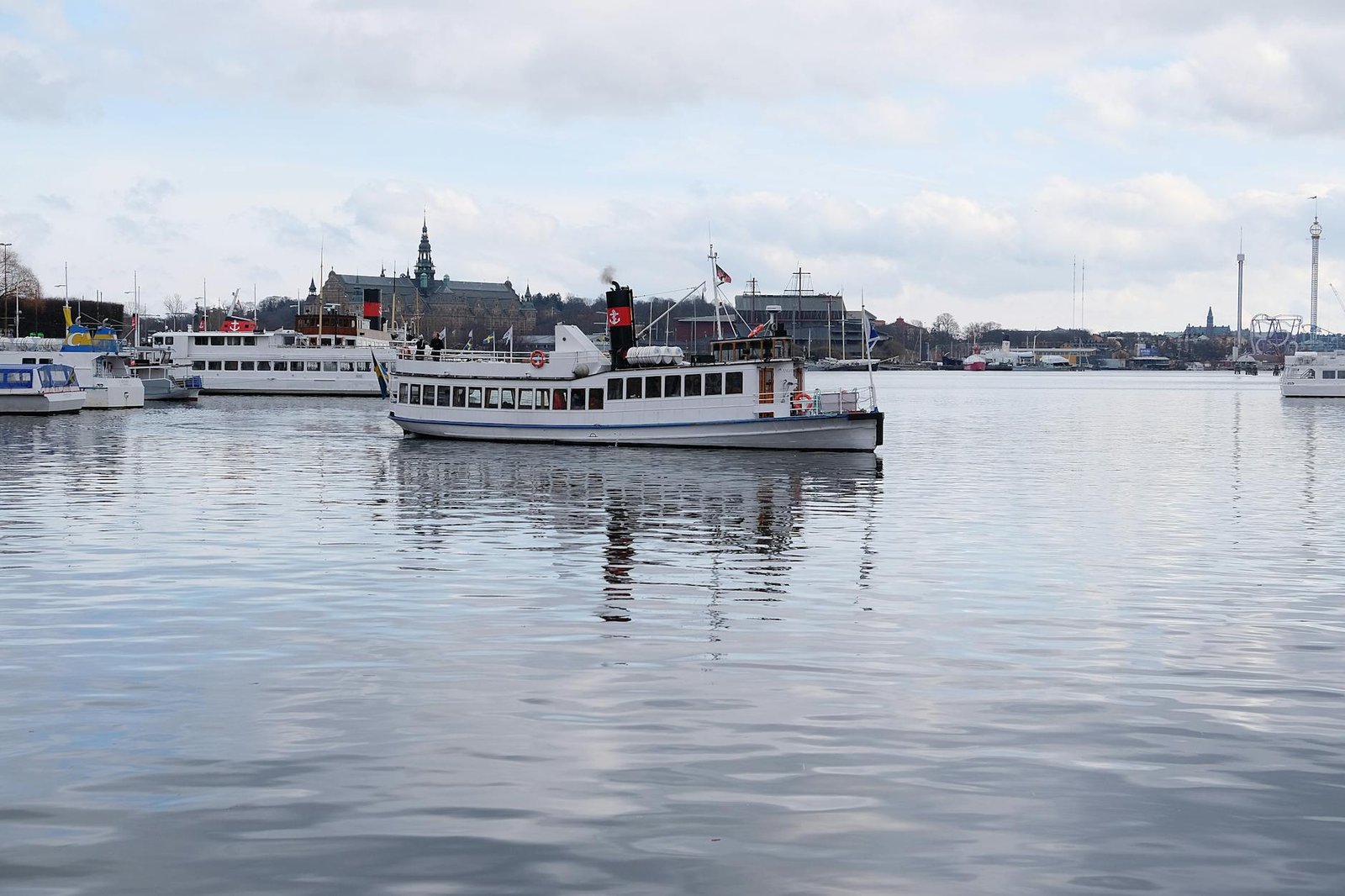
Stockholm doesn’t play by the rules of a typical European city-break. It’s 14 islands stitched together by bridges, each neighbourhood wearing a completely different personality, and the whole thing is absurdly photogenic in a way that feels almost unfair. Come expecting a cold, reserved Scandinavian city and leave wondering why you didn’t book a longer cruise.
Arriving by Ship
Most large cruise ships dock at Frihamnen or Stadsgårdshamnen terminals, both well-connected to the city centre. Stadsgårdshamnen is the closer of the two — a short taxi or shuttle ride from Gamla Stan (Old Town) — while Frihamnen sits a little further north but has decent bus connections. Neither requires a tender, so you’ll be on solid ground and moving quickly.
Stockholm’s port authority runs shuttle buses on busy ship days, but taxis and the Hop-On Hop-Off boat are easy alternatives. Budget around 15–20 minutes to reach the heart of the city from either terminal.
Things to Do

Stockholm rewards slow exploration over box-ticking. The city’s islands mean you’re constantly crossing water, stumbling into new atmospheres — medieval cobblestones one minute, cutting-edge design galleries the next.
History & Culture
- Gamla Stan (Old Town): Wander streets that haven’t changed much since the 13th century, including the narrow Mårten Trotzigs Gränd alley, just 90cm wide at its tightest point. A guided walking tour brings the layers of history alive. 🎟 Book: Walking Tour of Stockholm Old Town
- Vasa Museum (Vasamuseet): An almost completely intact 17th-century warship salvaged from Stockholm harbour — one of the most extraordinary museum experiences in Europe. Entry costs around SEK 190 (roughly USD 18); open daily from 10am.
- Royal Palace (Kungliga Slottet): Still a working royal palace, with over 600 rooms open to visitors. Catch the Changing of the Guard ceremony free of charge at noon daily in summer.
- ABBA The Museum: Surprisingly brilliant even if you’re not a superfan, with interactive exhibits and costumes on Djurgården island. Tickets around SEK 295 (USD 28); book ahead on busy days.
Outdoors & Islands
- Djurgården Island: Stockholm’s green lung, reachable by ferry for SEK 57, packs in multiple museums, parkland, and the Skansen open-air museum showing traditional Swedish life.
- Archipelago boat trip: Stockholm sits at the edge of an archipelago of 30,000 islands — a short boat excursion gives you a glimpse of this extraordinary landscape that most visitors completely miss. 🎟 Book: Stockholm Pizza Cruise – Explore Stockholm's Waterways
- Fotografiska: A world-class photography museum in a converted waterfront customs house, open until 11pm. Entry from SEK 195 and the rooftop café views alone justify the trip.
For Families
- Junibacken: A fairy-tale storytelling attraction on Djurgården built around Astrid Lindgren’s characters, including Pippi Longstocking. Perfect for kids aged 3–10; entry around SEK 175.
What to Eat
Swedish food has quietly become one of Scandinavia’s great culinary stories — think pristine seafood, earthy wild flavours, and a genius for simplicity. Skip the tourist-trap menus near the cruise terminals and dig deeper. A guided food walk is the most efficient way to eat well. 🎟 Book: The Nordic Food Walk Stockholm
- Swedish meatballs (köttbullar): The real version — served with lingonberry jam and cream sauce — is nothing like the flat-pack version. Try them at Pelikan in Södermalm, around SEK 175 for a full plate.
- Gravlax: Cured salmon with dill and mustard sauce, often served on crispbread. Available at most traditional restaurants from around SEK 120 as a starter.
- Smörgåsbord: A full Swedish buffet spread; Operakällaren runs a famous weekend version for around SEK 595, worth every krona.
- Cinnamon bun (kanelbulle): Buy one fresh from any local bakery (konditori) for around SEK 30 — this is Sweden’s national snack and it earns the reputation.
- Surströmming: Fermented herring — extraordinarily pungent, historically polarising. Try it if you’re brave; it’s a genuine Swedish cultural experience you’ll never forget.
Shopping

Södermalm is where Stockholm’s independent design scene lives — vintage stores, local ceramics studios, and Scandinavian homewares that are actually worth the luggage space. Avoid the souvenir shops in Gamla Stan selling mass-produced Viking helmets and instead look for Swedish glassware (Kosta Boda), Acne Studios fashion, or beautifully designed stationery.
The Östermalm Saluhall food market is worth visiting just to browse — smoked fish, cloudberry jam, and reindeer products make genuinely distinctive gifts. For a broader market experience, the Hötorget outdoor market in the city centre runs daily and mixes flowers, produce, and cheap finds.
Practical Tips
- Currency: Sweden uses the Swedish Krona (SEK); most places are card-only, so don’t stress about carrying cash.
- Tipping: Not expected but appreciated — rounding up the bill is plenty in restaurants and cafés.
- Transport: The SL transit card covers metro, buses, and some ferries; a 24-hour pass costs around SEK 175 and makes sense for a full day ashore.
- Time ashore: You need at least 8 hours to scratch the surface — ideally a full day to cover multiple islands.
- Best time to go ashore: Head out early to beat crowds at Vasa Museum and the Royal Palace; late afternoon light on Gamla Stan is extraordinary.
- Safety: Stockholm is very safe by any measure; standard city awareness is all you need.
- Weather: Pack a light waterproof even in summer — the weather shifts quickly between the islands.
Stockholm is one of those rare ports where the ship feels like the consolation prize — get ashore as fast as possible and let the city completely rearrange your expectations.
🎟️ Things to Book in Advance
These highly-rated experiences fill up fast — book before you arrive to avoid missing out.


This page contains affiliate links. If you book through them, we may earn a small commission at no extra cost to you.
📍 Getting to Stockholm, Sweden
Use the interactive map below to explore the port area and plan your route from the terminal.
Leave a Reply