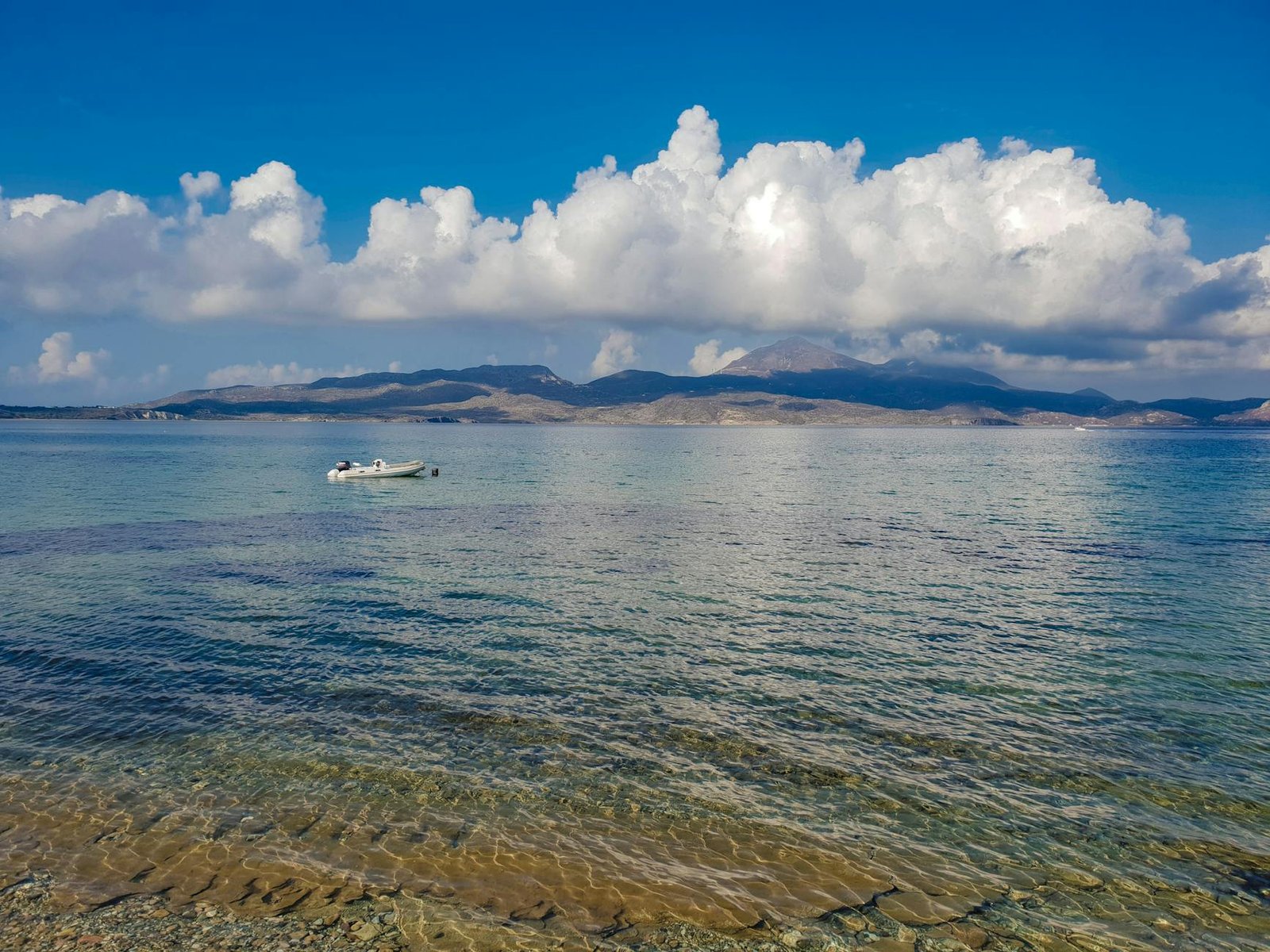
Milos is one of the Aegean’s most visually arresting islands, a volcanic crescent of otherworldly rock formations, technicolour cliffs, and over 70 beaches — yet it remains blissfully under the radar compared to Santorini and Mykonos. If your cruise itinerary includes this gem in the Cyclades, consider yourself fortunate. A day here rewards curious explorers with some of the most dramatic coastal scenery in all of Greece.
Arriving by Ship
Cruise ships tender into Adamas, the island’s main port and commercial hub, so expect to take a short tender boat ride from your ship to the quayside. The process is generally smooth and well-organised, though in peak summer months (July and August) queues can build during busy periods, so plan your tender accordingly.
Once ashore at Adamas, you’ll find taxis, buses, and rental agencies all within easy walking distance of the pier. The island’s road network is manageable, though some of the most spectacular beaches require a four-wheel-drive or, better still, a boat to reach. Given the limited time of a port call — typically six to eight hours — it pays to have a plan before you step off the tender.
Things to Do

Milos rewards those who get out on the water. The island’s coastline is riddled with sea caves, volcanic arches, and remote beaches that simply cannot be reached by road. Kleftiko, a dramatic cluster of white rock formations on the island’s southwestern coast, is the undisputed highlight — ancient pirate hideouts carved into the cliffs make it feel like a scene from mythology. You can join a half-day boat tour that takes you directly there 🎟 Book: Half Day Boat Tour to Kleftiko Milos, or opt for a slightly different route through the same stunning landscape 🎟 Book: Milos Half-day Tour to Kleftiko.
If you prefer a more active experience, a kayaking tour along the coastline lets you paddle into sea caves and hidden coves at a pace that lets you actually absorb the scenery 🎟 Book: Kayaking Tour to the secrets of Milos. For something entirely different, renting an e-bike and exploring the island’s inland villages and clifftop viewpoints is a surprisingly rewarding way to spend a few hours, with far fewer crowds than the famous beaches.
On land, don’t skip the ancient village of Klima, a tiny fishing settlement where the local boathouses — called syrmata — are painted in vivid shades of red, orange, and blue. The nearby ruins of the ancient Milos theatre, which overlooks the bay with staggering views, is where a replica of the Venus de Milo stands today (the original, of course, resides in the Louvre). The village of Plaka, perched above Adamas, offers labyrinthine whitewashed streets and a Venetian kastro with panoramic views across the island.
Local Food
Milos has a distinct culinary identity that sets it apart from other Cycladic islands. Look out for pitarakia, small fried pies stuffed with local fresh cheese and served as a snack or appetiser — they’re uniquely Miliot and you’ll find them in bakeries and tavernas across the island. The local fishing tradition also means seafood is exceptionally fresh; grilled octopus dried in the sun and served with a squeeze of lemon is practically a rite of passage here.
In Adamas, a string of tavernas lines the waterfront, but it’s worth venturing slightly further to Plaka or the village of Pollonia on the northern coast for a more authentic, less tourist-facing meal. Fresh tomatokeftedes (tomato fritters), locally caught sea bream, and a glass of chilled Assyrtiko wine make for a perfect Aegean lunch.
Shopping

Milos isn’t a shopping-heavy island, which is honestly part of its charm. What you will find are quality local products worth taking home — small jars of xinomyzithra (a sharp local cheese), volcanic sea salt harvested from the island’s natural deposits, and handmade jewellery inspired by the island’s famous moonscape geology.
In Plaka, several independent boutiques sell ceramics and artisan goods with a distinctly Cycladic aesthetic. Avoid the generic souvenir shops clustered near the Adamas pier and instead browse the side streets, where smaller producers often sell direct. A bottle of locally produced capers or sun-dried tomatoes makes a genuinely useful and delicious souvenir.
Practical Tips
- Timing matters. Aim to be on the first tender ashore to maximise your time, especially if you’re planning a boat tour to Kleftiko, which can book up quickly during summer.
- Dress practically. Many of Milos’s best spots involve climbing, walking on volcanic rock, or boarding small boats — sandals are fine for the villages, but trainers or water shoes will serve you better at the coast.
- Cash is useful. While most restaurants and shops accept cards, some smaller vendors and beach tavernas prefer cash, so carry a small amount of euros.
- Book ahead. Boat tours and guided experiences fill up fast in July and August — securing your spot before your cruise departs is strongly recommended.
- Sun protection. The volcanic landscape offers little shade, and the Aegean sun is relentless. Sunscreen, a hat, and water are non-negotiable.
A day in Milos might just be the day you look back on as the highlight of your entire cruise. It has that rare quality of feeling genuinely undiscovered even as it quietly dazzles every visitor who sets foot on its extraordinary shores.
🎟️ Things to Book in Advance
These highly-rated experiences fill up fast — book before you arrive to avoid missing out.


This page contains affiliate links. If you book through them, we may earn a small commission at no extra cost to you.
Leave a Reply