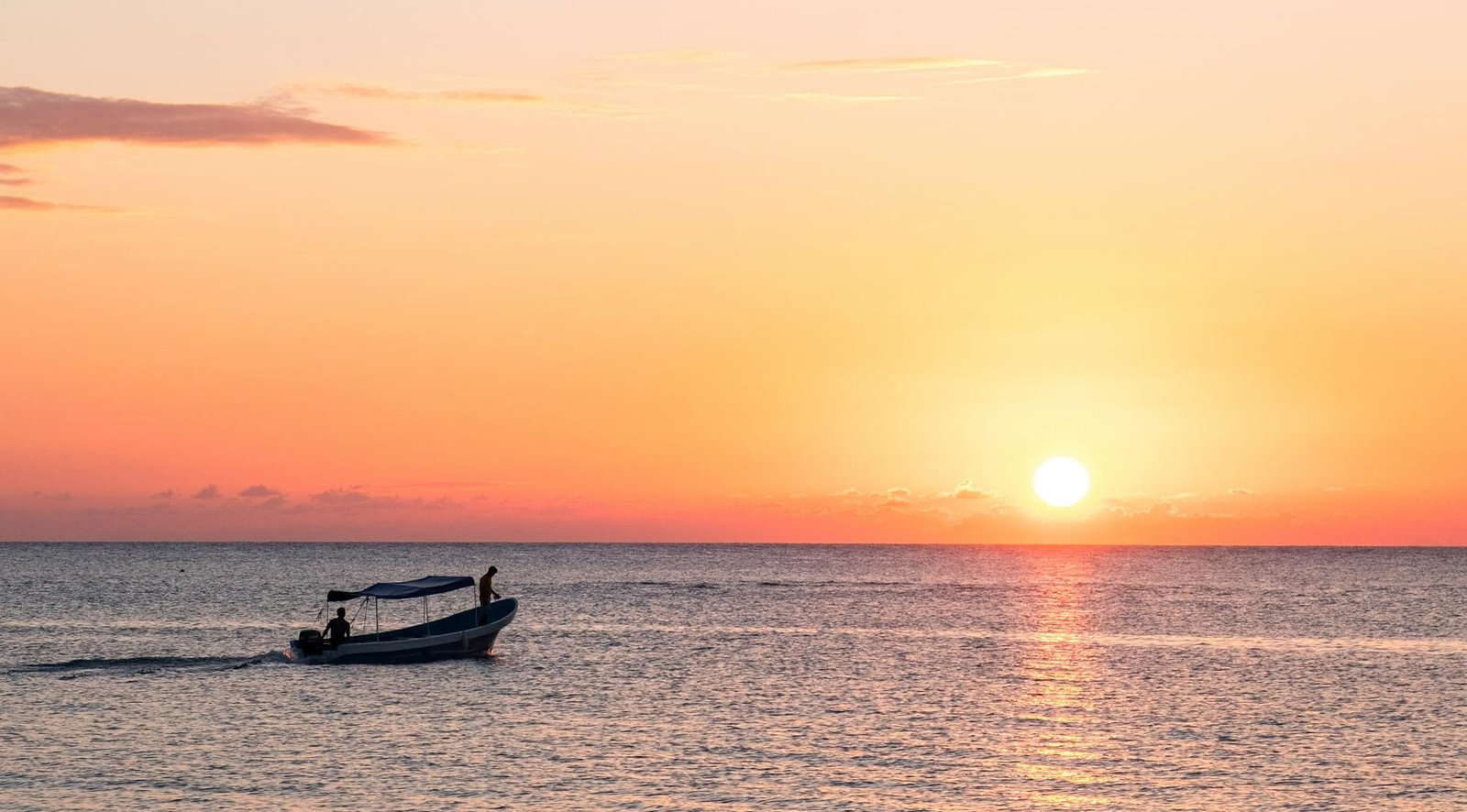
Roatan sits like a jewel in the Caribbean Sea off Honduras’s northern coast, and most cruise passengers arrive expecting little more than a few hours of white sand and cocktails. What they find instead is a 48-mile island of staggering biodiversity, vibrant reef systems, and a cultural depth that no shore excursion brochure quite prepares you for. This is a port that quietly outperforms every expectation.
Arriving by Ship
Your cruise ship docks at one of two main piers: Mahogany Bay or Dixon Cove. Mahogany Bay is the more polished of the two, operated by Carnival Corporation and equipped with shops, a beach area, and a free chairlift down to the water — a novelty in itself. Dixon Cove tends to handle larger volumes and drops you closer to Coxen Hole, the island’s capital.
From either pier, taxis and tour operators descend quickly, but don’t let the initial hustle rattle you. The island is easy to navigate, and once you’re past the port gates, Roatan’s laid-back rhythm takes over entirely. Most key attractions — West Bay Beach, the Carambola Gardens, and the main town of West End — are within 20 to 45 minutes of the docks. If you want to pack in as much as possible without spending your entire day in a taxi, a customizable island tour makes smart logistical sense. 🎟 Book: Customizable Best Of Roatan Island Tour in Honduras For a longer-established option that locals regularly recommend, consider booking through one of Roatan’s pioneering tour operators. 🎟 Book: Since 2003: Roatan's ORIGINAL Customizable Best of Roatan Tour
Things to Do

Here’s where Roatan genuinely surprises people. Yes, West Bay Beach is everything you’ve heard — powder-soft sand, water so clear it looks photoshopped, and one of the most accessible sections of the Mesoamerican Barrier Reef just metres from shore. But the island has layers beyond the beach.
Snorkelling and diving are exceptional, and you don’t need to be certified to experience the reef. Glass-bottom kayaks, helmet diving experiences, and guided snorkel tours all bring the underwater world within reach of total beginners. The reef here is healthy, colourful, and home to nurse sharks, sea turtles, and schools of parrotfish that drift past in lazy formations.
If you’re after something with a bit more adrenaline, the zip-line-to-snorkel combination is wildly popular for good reason — you soar through jungle canopy before splashing into the Caribbean for a guided reef swim. 🎟 Book: Zuperman Zip 'n Dip Swimming Adventure on Roatan Island, Honduras For those preferring something quieter, the Carambola Botanical Gardens offer shaded walking trails through native orchids, iguanas sunning themselves on rocks, and howler monkeys crashing through the canopy overhead.
For a genuinely off-the-beaten-path experience, consider arranging a private day on one of the island’s smaller cays — isolated stretches of reef and sand accessible only by boat, where you’ll likely have the water almost entirely to yourself. 🎟 Book: Private Tour in Bradys Cay at Roatan Honduras
Local Food
Roatan’s food scene reflects its layered identity: part Garifuna heritage, part Bay Islander tradition, part expat influence. The Garifuna people — descendants of indigenous Caribbean and African communities — have lived on these islands for centuries, and their food tells that story beautifully.
Look for machuca, a dish of mashed plantains served in a coconut-based fish broth that’s warming and deeply savoury. Tapado is another standout — a rich seafood stew loaded with shrimp, fish, crab, and coconut milk. Freshly grilled fish with rice and beans (baleadas on the side) is the kind of simple, satisfying meal that cruise ship buffets never quite replicate.
West End village has the highest concentration of good restaurants for day visitors, ranging from beachside shacks serving cold Salva Vida beer and ceviche to slightly more polished spots with views across Half Moon Bay. Avoid the heavily tourist-facing restaurants right at the pier — walk ten minutes inland and the food improves dramatically, and the prices drop accordingly.
Shopping

Roatan doesn’t compete with the duty-free intensity of ports like Cozumel or St. Thomas, and that’s genuinely refreshing. Shopping here is about craft, not commerce. The main draws are Honduran-made goods: carved wooden handicrafts, hand-painted ceramics, madera jewellery inlaid with local hardwoods, and vibrant woven textiles.
In Coxen Hole’s main market and along West End’s main strip, you’ll find vendors selling these items at negotiable prices. Silver jewellery is particularly good value here compared to other Caribbean ports. Avoid the airport-style shops in Mahogany Bay’s retail zone — the prices are inflated and the selection generic. Instead, browse the artisan stalls near the town squares where the goods are locally made rather than imported.
Practical Tips
The local currency is the Honduran Lempira, but US dollars are accepted almost everywhere at the port and in tourist areas. Card payments work in most larger establishments, but carry small bills for market purchases and independent taxi drivers.
The sun here is fierce — reapply SPF constantly, especially if you’re spending time on the reef, where reflection doubles the intensity. Most cruise visitors find that a half-day on the beach plus a brief tour of the interior hits the sweet spot without rushing. If your ship allows a longer stay, you can easily fill a full day and still feel like you’ve only scratched the surface.
Roatan is one of those ports that experienced cruisers talk about long after the voyage ends. It doesn’t announce itself loudly — it simply delivers, again and again, in ways you didn’t see coming.
🎟️ Things to Book in Advance
These highly-rated experiences fill up fast — book before you arrive to avoid missing out.


This page contains affiliate links. If you book through them, we may earn a small commission at no extra cost to you.
Leave a Reply