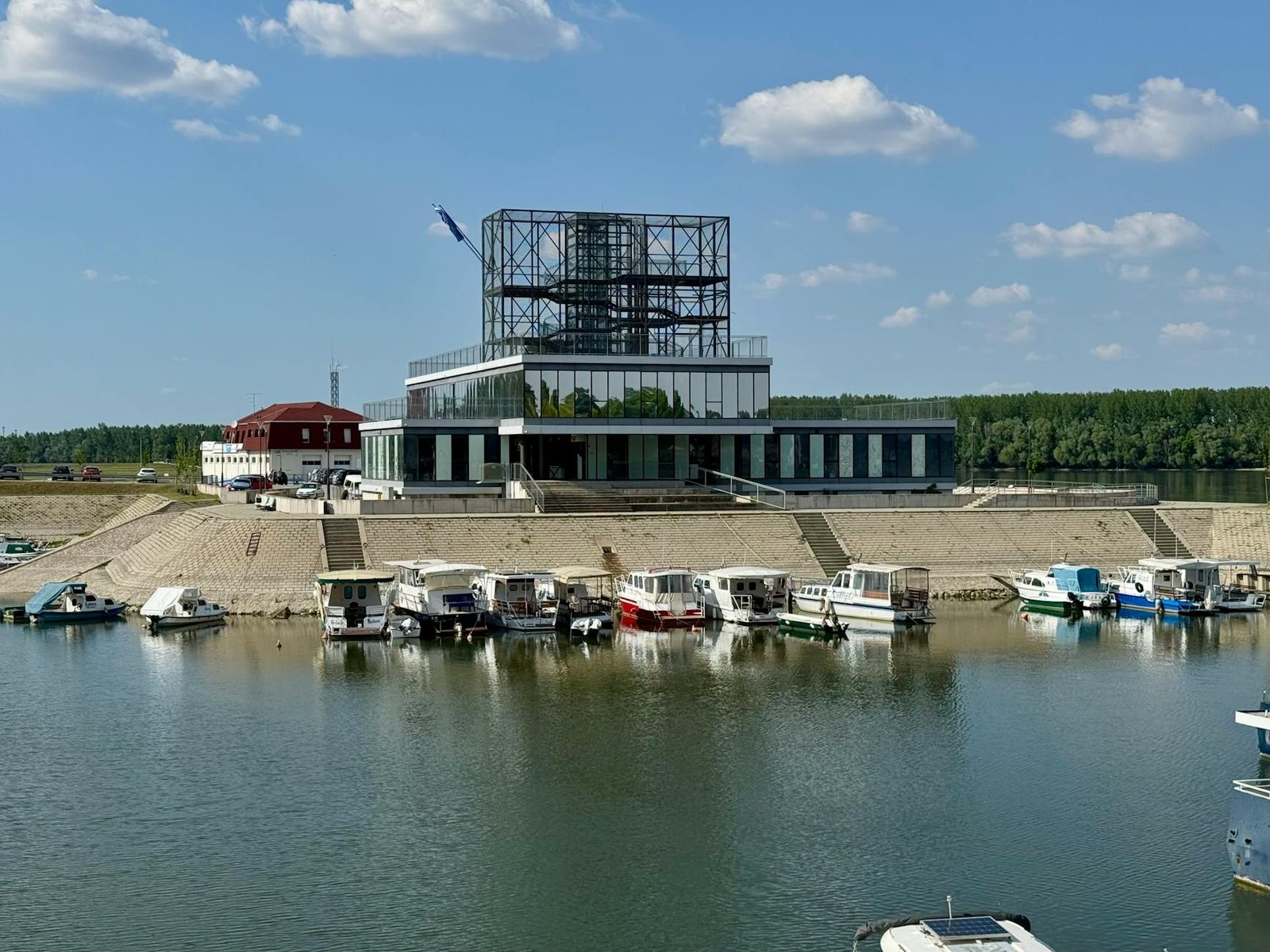
Few river cruise stops carry as much emotional weight as Vukovar. This quietly powerful city on the Danube was almost erased in the 1990s, yet it has rebuilt itself into one of the most historically compelling destinations in Central Europe. Come with an open mind and leave with a story you’ll never forget.
—
Arriving by Ship
Vukovar sits on the right bank of the Danube, right on the border between Croatia and Serbia, and river cruise ships dock directly at the city’s quay — no tender required. The mooring is central and convenient, placing you within easy walking distance of the old town, the water tower, and the main memorial sites.
The embankment itself is pleasant and well-maintained, with a short promenade connecting the dock to the first major landmarks. You won’t need a taxi to get started.
—
Things to Do

Vukovar punches well above its size when it comes to meaningful experiences. Whether you’re drawn to history, culture, or simply wandering along the Danube, the city rewards slow, attentive exploration.
History
- Vukovar Water Tower — The city’s most iconic symbol, riddled with wartime shell damage that has been deliberately preserved, is free to view from outside and carries enormous emotional impact; guided interior access is available on certain days.
- Vukovar Municipal Museum (Gradski Muzej Vukovar) — Housed in the partially restored Eltz Manor, this museum covers Vukovar’s history from prehistoric Vučedol culture through to the Homeland War; entry is around €4.
- Memorial Cemetery of Homeland War Victims — A sobering and beautifully maintained site honouring the victims of the 1991 siege; visiting takes around 30–45 minutes and admission is free.
- Ovčara Memorial Centre — Located about 6 km from the city, this powerful memorial marks the site of one of the war’s most tragic events and should not be skipped by anyone wanting to understand the full story.
- Eco City Tour by Electric Vehicle — For a low-impact overview of the city’s key landmarks in just 45 minutes, the Panorama Eco City Tour is an efficient and engaging way to get oriented 🎟 Book: Panorama Tour – Eco City Tour Vukovar.
- Journey Through Time Eco Tour — If you want more depth and context, the two-hour version covers the city’s wartime and cultural history in detail with a knowledgeable local guide 🎟 Book: Journey Through Time – Eco City Tour Vukovar.
Culture
- Vučedol Culture Museum — Set 5 km upstream from the city centre, this award-winning museum sits on the archaeological site of a 5,000-year-old civilisation; entry is around €7 and the building itself is architecturally striking.
- Church of St. Philip and James — A beautiful baroque Catholic church rebuilt after wartime destruction; free to enter and worth a short visit for its serene interior.
- Franciscan Monastery — One of the older surviving structures in the city, offering a quiet contrast to the war memorials nearby.
—
What to Eat
Vukovar’s cuisine is hearty Slavonian cooking — think paprika, slow-cooked meats, freshwater fish, and generous portions. The local restaurant scene is unpretentious and genuinely welcoming.
- Fiš paprikaš (spicy freshwater fish stew) — The signature dish of the Slavonian region, best tried at Restaurant Dunav on the riverfront; expect to pay around €10–14 for a main.
- Čobanac (shepherd’s meat stew) — A rich, multi-meat paprika stew that’s intensely flavoured; found at most traditional konobas in town for around €9–12.
- Kulen (cured sausage) — Slavonia’s famous spicy sausage, cured with paprika and garlic, available at local restaurants and as a starter for €5–7.
- Šaran na rašljama (barbecued carp) — Grilled over an open wood flame in the traditional style; a seasonal speciality worth asking about at riverside restaurants.
- Strukli — A baked or boiled pastry filled with fresh cheese; a satisfying snack or dessert for around €3–5 at cafés near the main square.
- Local Graševina wine — Slavonia produces excellent white wine, especially this crisp, dry grape variety; a glass costs around €2–4 in most restaurants.
—
Shopping

Vukovar isn’t a shopping destination in the conventional sense, which is actually part of its charm. The focus here is on meaningful, locally made goods rather than mass-produced souvenirs.
Look for Vučedol Dove replicas — ceramic reproductions of the ancient dove figurine discovered at the archaeological site nearby. It’s one of the most recognisable symbols of the region and makes a genuinely distinctive keepsake. Local honey, kulen sausage vacuum-packed for travel, and Graševina wine are also worth picking up from small shops near the main square.
Avoid generic “Croatia” merchandise — it has no connection to this specific city and feels out of place here.
—
Practical Tips
- Currency is the Croatian euro (€); cards are widely accepted but carry some cash for smaller cafés and market stalls.
- Tipping around 10% is appreciated but not mandatory in restaurants.
- Go ashore early — Vukovar’s memorial sites are most atmospheric in the morning before tour groups arrive.
- Allow at least 5–6 hours to cover the Water Tower, Eltz Manor, the memorial cemetery, and lunch comfortably.
- Transport to Ovčara and the Vučedol Museum requires a taxi or organised tour, as both are several kilometres from the dock.
- Dress respectfully at memorial sites — modest clothing is appropriate as a mark of respect.
- English is spoken reasonably well in museums and restaurants, especially by younger locals.
- Emotional preparation matters — Vukovar’s story is heavy; approaching it with sensitivity will make your visit far more rewarding.
Vukovar will surprise you, move you, and stay with you long after the ship has sailed downstream.
🎟️ Things to Book in Advance
These highly-rated experiences fill up fast — book before you arrive to avoid missing out.


This page contains affiliate links. If you book through them, we may earn a small commission at no extra cost to you.
📍 Getting to Vukovar, Croatia
Use the interactive map below to explore the port area and plan your route from the terminal.
Leave a Reply