Pentecost Island is where humanity’s most audacious ritual was born — the land dive that inspired bungee jumping. This remote, jungle-clad island in the South Pacific offers something no theme park can replicate: raw, unscripted culture still pulsing with ancient life. Come here for an experience that will genuinely rearrange how you think about courage.
Arriving by Ship
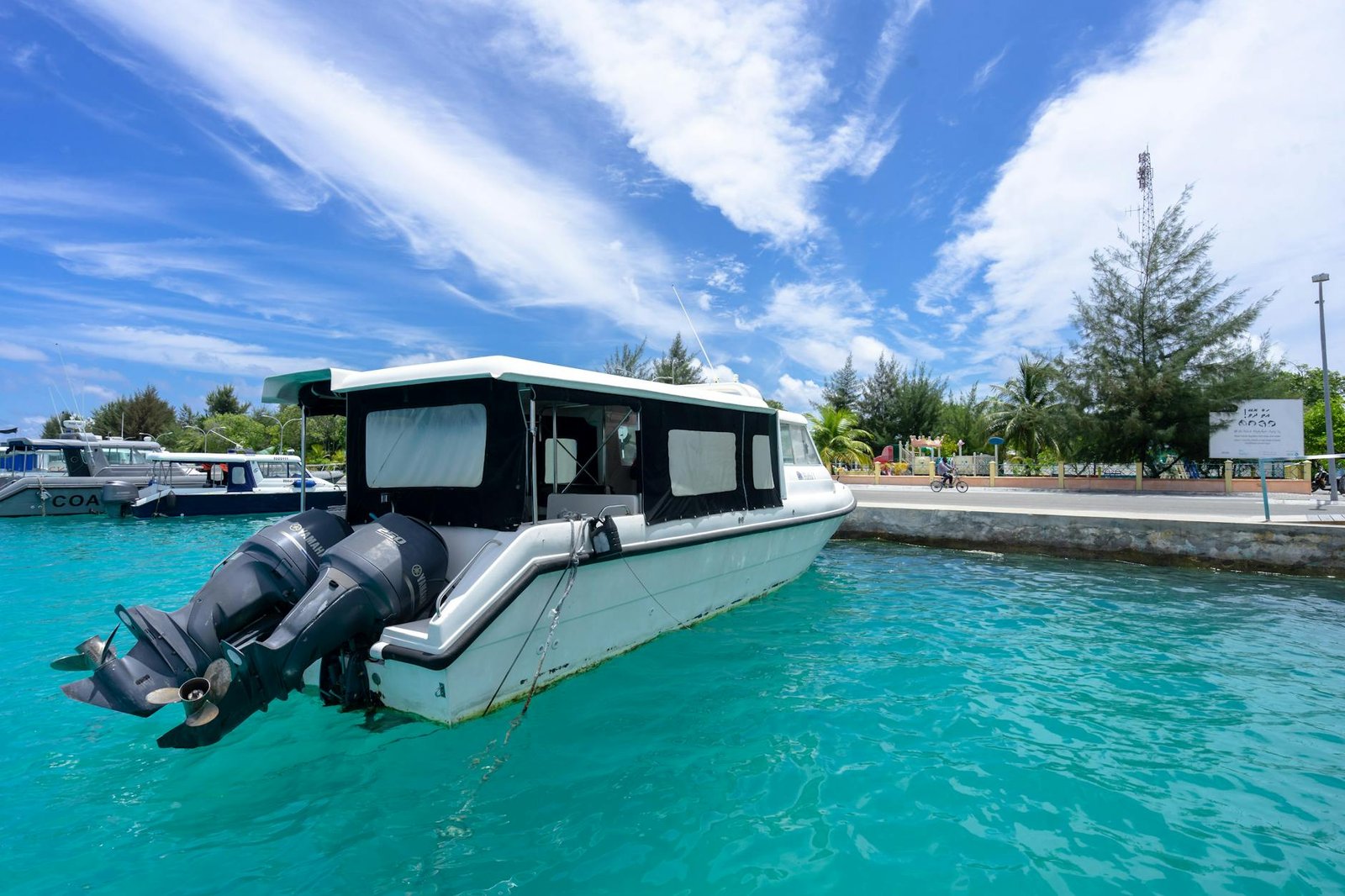
There is no dedicated cruise dock at Pentecost Island — ships anchor offshore and passengers are ferried in by tender to a basic landing area near the village of Lonorore or along the island’s western coast. The process is straightforward but can be affected by swell, so pay attention to any announcements about tender conditions before you commit to going ashore. Once landed, you’re essentially in the village immediately — distances here are measured in footsteps, not kilometres.
The island has no resort infrastructure, no tourist strip, and no shuttle buses waiting to whisk you away. That’s the whole point. What you find instead is dense tropical forest, friendly Ni-Vanuatu villagers, and one of the most extraordinary cultural spectacles on the planet.
Things to Do

Pentecost Island demands presence — put the phone down occasionally and simply absorb what’s around you. Activities here are few but unforgettable.
Culture & Ceremony
- Witness a Naghol (land dive): The centrepiece of any visit — men and boys leap from a wooden tower up to 30 metres high with only vines tied to their ankles. The ceremony runs April through June on Saturdays; cruise lines arrange visits in advance and entry fees (~3,500 VT per person) go directly to the village.
- Talk to a Naghol diver: After the ceremony, divers are often happy to speak with visitors through an interpreter — ask your guide to facilitate and tip generously for their time.
- Village tour with a local guide: Walk through Bunlap village in the south, one of the most traditional communities in Vanuatu, where kastom (custom) law governs daily life; guides charge roughly 1,000–2,000 VT.
Nature & Outdoors
- Hike to a jungle waterfall: Several trails lead into Pentecost’s interior through dense rainforest to small waterfalls and swimming holes — ask your ship’s excursion desk or a local guide for the current best route.
- Snorkel off the tender landing area: The reefs close to shore are healthy and largely undisturbed; bring your own gear as rentals are rarely available on the island.
- Birdwatching in the forest fringe: Pentecost hosts several endemic and near-endemic species including the Vanuatu megapode — even a slow walk at the forest edge rewards patient observers.
- Photography of the tower construction: If you arrive before a Naghol ceremony, you may see the tower being built entirely from living wood and vines — no nails, no ropes, pure engineering passed down through generations.
What to Eat
Food options are extremely limited on Pentecost Island — this is not a culinary destination in the conventional sense. What you will find is genuinely local, grown within walking distance of where it’s cooked.
- Laplap: Vanuatu’s national dish — grated root vegetables (taro or yam) wrapped in banana leaf and baked in an earth oven; served at village feasts during ceremony days, essentially free as part of the cultural welcome.
- Roasted island taro: Charred over open coals and eaten with coconut cream, it’s smoky, starchy, and completely satisfying; available from village women during ceremony days for around 100–200 VT.
- Fresh coconut: Green drinking coconuts are cracked open roadside (or forest-side) for around 100 VT and are the best hydration you’ll find in the midday heat.
- Smoked fish: Local men smoke fish caught that morning over coconut husks — look for it at the landing area on busier ship days; prices are negotiable, typically 500–800 VT.
- Seasonal tropical fruit: Papaya, banana, and breadfruit are grown in abundance; village women may offer them informally or sell small bundles cheaply during ceremony gatherings.
Shopping

Pentecost Island is not a shopping destination, and that’s genuinely refreshing. What you will find are hand-carved wooden items — small figures, carved animals, and woven pandanus mats — sold directly by the artisans who made them, with no middleman and no markup for tourist areas.
Look for string bags (nambas) and woven baskets made by local women — these are lightweight, durable, and deeply connected to everyday Ni-Vanuatu life. Avoid buying anything made from protected marine species such as turtle shell or certain corals, and don’t expect price tags — negotiating respectfully is part of the transaction.
Practical Tips
- Currency: The Vanuatu vatu (VT) is the local currency; bring small notes as change is scarce and card payments are non-existent on the island.
- Tipping: Tipping is not a local custom but a small cash gift to a guide or performer is warmly appreciated — 500–1,000 VT is meaningful.
- Dress respectfully: Shoulders and knees covered are expected in villages, especially during kastom ceremonies; pack a light sarong.
- Time ashore: Allow a full day if a Naghol ceremony is scheduled — rushing this experience is a waste of the journey.
- Naghol season: Plan your cruise itinerary specifically around April to June if witnessing the land dive is your priority.
- Sun protection: Shade is limited during the ceremony; bring a hat, sunscreen, and plenty of water.
- Health: There are no medical facilities on the island — keep your ship’s medical bay in mind and carry any personal medications with you.
Leave Pentecost Island knowing you’ve stood at the birthplace of something extraordinary — and that the people who live it every generation are far braver than anyone who followed their lead.
📍 Getting to Pentecost Island Vanuatu
Use the interactive map below to explore the port area and plan your route from the terminal.
Leave a Reply