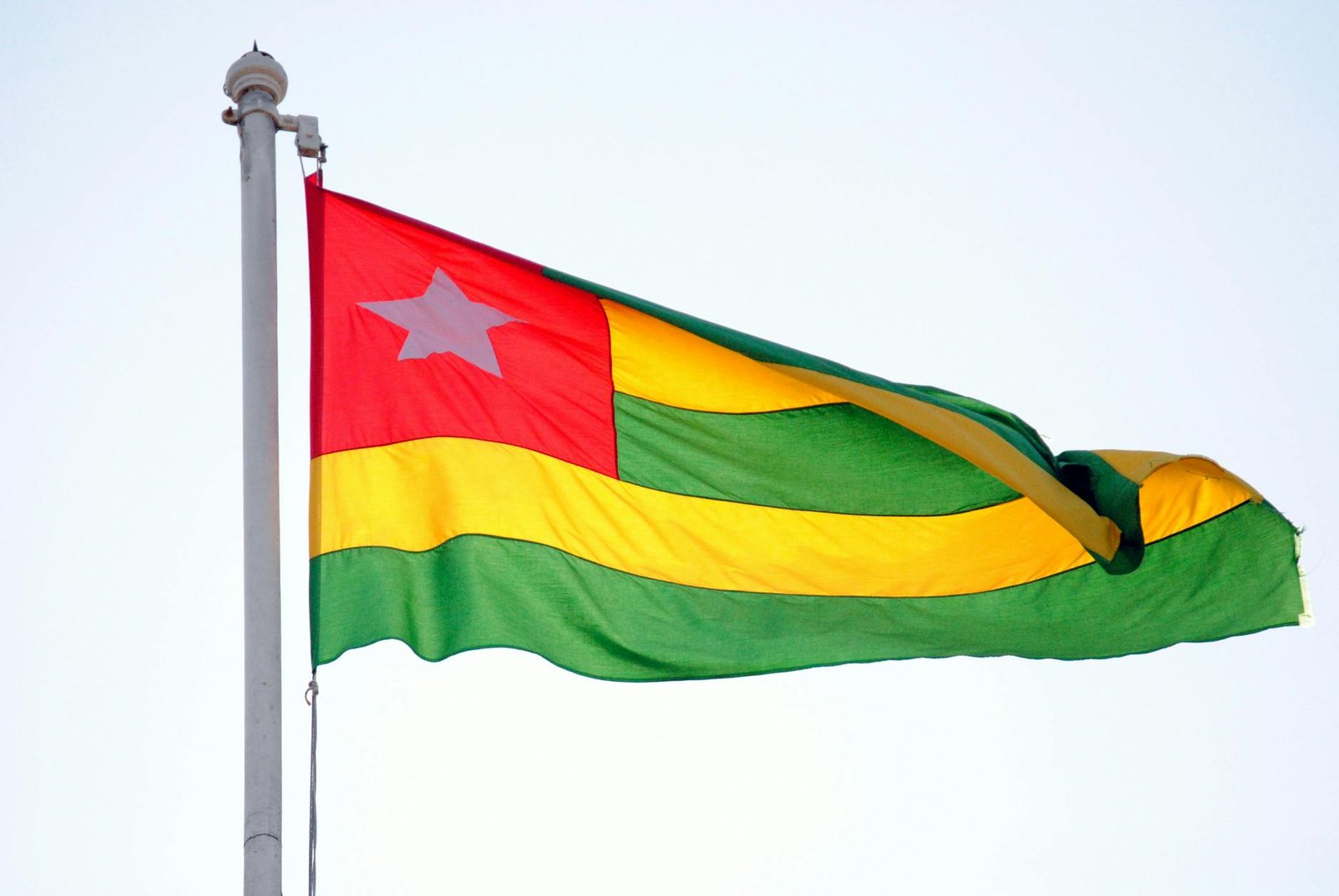
Lomé, the capital of Togo, is one of West Africa’s most underrated cruise destinations — a city where voodoo markets sit beside colonial architecture and the Atlantic breeze carries the scent of grilled fish and red palm oil. Few passengers know what to expect when the port appears on their itinerary, and that uncertainty quickly turns to delight. Lomé rewards the curious traveller with raw authenticity that more polished destinations simply cannot replicate.
Arriving by Ship
Lomé’s commercial port sits right in the heart of the city, which means you step off the gangway and almost immediately find yourself in the thick of Togolese life. The terminal is modest but functional, and taxis and tuk-tuks congregate just outside the gates ready to whisk you into town. Unlike some African ports where the city feels distant, Lomé’s layout means the beach, the markets, and the main boulevard are all within easy striking distance. If you’d rather not navigate independently, a guided city tour takes the stress out of orientation entirely 🎟 Book: Guided tour of the city of Lomé. You’ll clear the port quickly, but do keep your passport handy — Togo occasionally requires documentation checks for cruise passengers disembarking for day trips.
Things to Do

Lomé punches well above its weight for sightseeing. The Grand Marché de Lomé is a sensory overload in the best possible way — a labyrinth of stalls selling everything from hand-dyed fabric to mobile phones, presided over by the famous Nana Benz, the powerful market women who built trading empires from scratch. A short drive away, the Fetish Market (Marché des Féticheurs) is unlike anything you’ll encounter anywhere else in the world: monkey skulls, dried chameleons, and animal pelts used in traditional voodoo ceremonies are arranged in open stalls with startling frankness. It’s thought-provoking, culturally significant, and genuinely fascinating.
History-minded travellers should seek out the Slave House at nearby Aného, a sobering reminder of Togo’s painful past within the trans-Atlantic slave trade. A private tour covering Lomé’s history and this significant site gives the experience proper context 🎟 Book: visit of Lome and slave house. For something lighter, the stretch of beach along the Boulevard du Mono offers palm trees, fishing pirogues, and cold beer in equal measure. If you want to cover the city’s highlights comprehensively in one day, a private full-day tour is well worth considering 🎟 Book: Private full day to see the best of Lomé-TOGO.
Local Food
Togolese cuisine is bold, hearty, and deeply satisfying. Fufu — pounded yam or cassava served with a rich groundnut or tomato-based sauce — is the national comfort food, and you’ll find it everywhere from roadside shacks to sit-down restaurants. Grilled tilapia seasoned with ginger, garlic, and chilli is another staple, best eaten at a plastic table beside the beach with your fingers. Look out for akpan, a fermented corn porridge that locals eat for breakfast, often sweetened with sugar and evaporated milk — it’s an acquired taste, but trying it feels like a genuine rite of passage. The city’s Lebanese community has also left its mark, and you’ll find surprisingly good shawarma stalls near the city centre. Wash everything down with tchoukoutou, a traditional sorghum beer brewed and sold by women from large clay pots.
Shopping

Beyond the Grand Marché, Lomé has a handful of artisan shops and cooperative boutiques selling higher-quality crafts for those who’d rather browse at a steadier pace. Batik fabric is among the best souvenirs — rich, hand-printed cloth in vivid geometric patterns that you can have made into clothing on the spot by local tailors. Bronze and brass figurines depicting traditional scenes make elegant and portable keepsakes. The Centre Artisanal de Lomé near the beach is the most tourist-friendly shopping spot, with fixed prices that spare you from prolonged bargaining — though if you enjoy negotiating, the Grand Marché is your arena.
Practical Tips
Togo’s official currency is the West African CFA franc; US dollars and euros can be exchanged easily in the city, and some vendors accept dollars directly. French is the official language, but many port-area traders speak basic English. Dress modestly if you plan to visit the Fetish Market or any religious sites — covered shoulders and knees are appreciated. The heat is formidable year-round, so carry water, wear sunscreen, and pace yourself. Lomé is generally safe for tourists in the main areas, but keep cameras and valuables discreet in crowded markets. Confirm your ship’s all-aboard time carefully — the port operates on its own rhythm.
Lomé is not a destination that hands you its secrets easily, but the travellers willing to lean in, ask questions, and try the unfamiliar come away with stories that last a lifetime. Few ports in the world offer this level of genuine cultural immersion within a single shore day.
🚢 Cruises That Stop at Lome Togo
Ready to experience Lome Togo for yourself? Search live sailings below — filter by departure port, cruise line, and travel dates to find the itinerary that works for you.
Widget not showing? Search all cruises to Lome Togo on CruiseDirect ↗
Affiliate link — we may earn a commission if you book through it.
🎟️ Things to Book in Advance
These highly-rated experiences fill up fast — book before you arrive to avoid missing out.


This page contains affiliate links. If you book through them, we may earn a small commission at no extra cost to you.
📍 Getting to Lome Togo
Use the interactive map below to explore the port area and plan your route from the terminal.
Leave a Reply