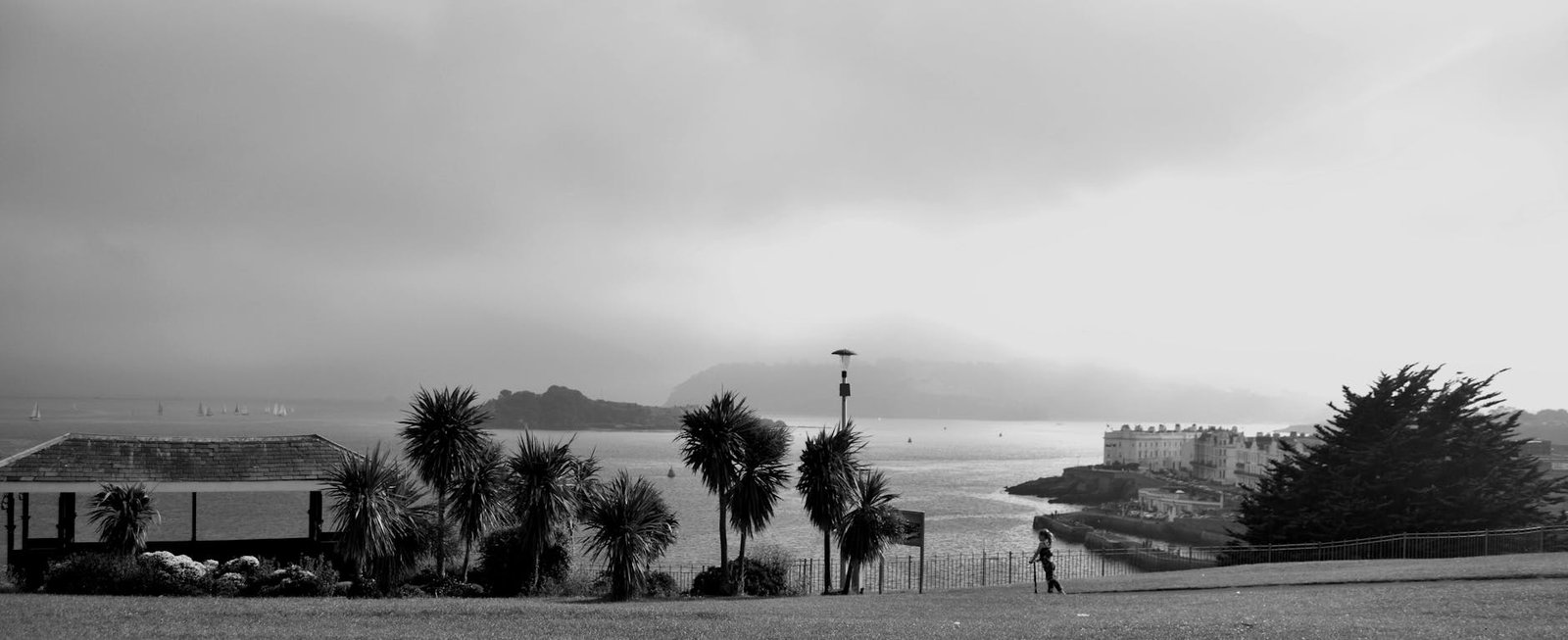
Plymouth might not have the instant name recognition of London or Edinburgh, but step ashore here and you’ll quickly realise this proud Devon port has more layers than most passengers expect — history, seafood, wild coastline, and a waterfront that has launched some of the most famous voyages in human history.
Arriving by Ship
Cruise ships dock at Millbay Cruise Terminal, just a short walk from the city centre. The terminal itself is straightforward and well-organised, with taxis, shuttle services, and local buses waiting to whisk you into the action. Plymouth Hoe — the iconic grassy headland overlooking the Sound — is only about a 15-minute walk from the quay, making this one of the more walkable cruise ports in the UK. The harbour area is compact enough that you can cover a surprising amount on foot, though having a car or joining a tour opens up the beautiful Devon countryside beyond the city limits.
Things to Do

Plymouth wears its history proudly, and the waterfront is your starting point. The Barbican district is the beating heart of the old town — a tangle of cobbled streets, Elizabethan architecture, and the famous Mayflower Steps, where the Pilgrim Fathers departed for the New World in 1620. Standing here on a breezy afternoon, it genuinely feels like you’re touching something significant. For a deeper dive into this story, the audio tour covering the Mayflower and the Royal Citadel is an efficient and surprisingly moving way to explore at your own pace. 🎟 Book: Plymouth’s Mayflower and Citadel: An Audio Tour
The Royal Citadel itself is a remarkable 17th-century fortress that still guards the harbour entrance, and guided tours run regularly during the summer months. If you’d rather see Plymouth from the water — which, honestly, is how it deserves to be seen — a scenic harbour cruise with commentary gives you a completely different perspective on the Sound, Drake’s Island, and the naval heritage of the port. 🎟 Book: Scenic Harbour Cruise in Plymouth with Commentary
For those who want to cover more ground efficiently, a guided walking tour of the city blends the Elizabethan waterfront with the story of Plymouth’s dramatic post-war rebuilding, one of the most ambitious urban redesigns in British history. 🎟 Book: Walking Tour Experience in Plymouth If you’re travelling with competitive types, the self-guided treasure hunt walk turns sightseeing into an entertaining challenge that works brilliantly for families or groups. 🎟 Book: Plymouth: Self Guided City Walk and Interactive Treasure Hunt
Local Food
Plymouth’s food scene is anchored (quite literally) in the sea. The Barbican is lined with restaurants and seafood stalls where locally caught crab, lobster, and fish take centre stage. Grab a dressed crab roll from one of the harbour-side vendors and eat it overlooking the water — simple, fresh, and utterly perfect.
For a proper sit-down meal, look out for restaurants serving Devon crab bisque or a classic fish pie made with locally landed catch. The city also has a strong café culture, and the area around the Barbican Market is excellent for a flat white and a slice of clotted cream-laden something-or-other. Speaking of which: you’re in Devon. If you don’t eat a scone loaded with clotted cream and jam before you reboard, you’ve made a serious tactical error.
Shopping

The Barbican is your best bet for genuinely local shopping. Independent galleries sell maritime art, photography, and handmade jewellery inspired by the Devon coastline. The Barbican Glassworks is worth a visit — you can watch glass blowers at work and pick up beautifully crafted pieces as souvenirs that are far more interesting than a fridge magnet.
For mainstream high street shopping, Plymouth’s city centre — particularly the Drake Circus shopping mall and the surrounding pedestrianised streets — covers all the familiar names. The indoor Pannier Market in the city centre is good for artisan food, crafts, and local produce if you want to bring something edible home.
Practical Tips
Plymouth is generally a very easy port to navigate independently, but a few things are worth knowing. The city centre sits slightly uphill from Millbay, so comfortable shoes are a must. Currency is pounds sterling, and card payments are accepted almost universally — you rarely need cash, though it’s handy for market stalls. Mobile data works well throughout the city. Check-back times at Millbay tend to be strictly observed, so if you’re heading out to the wider Devon countryside (Dartmoor is less than an hour away), build in a generous buffer. Weather in Plymouth can be capricious even in summer — a light waterproof layer is always a sensible addition to your day bag.
Plymouth rewards the curious traveller who ventures beyond the obvious. It’s a city that has been launching great adventures for five centuries, and with even a single day ashore, you’ll understand exactly why.
🎟️ Things to Book in Advance
These highly-rated experiences fill up fast — book before you arrive to avoid missing out.


This page contains affiliate links. If you book through them, we may earn a small commission at no extra cost to you.
📍 Getting to Plymouth United Kingdom
Use the interactive map below to explore the port area and plan your route from the terminal.
Leave a Reply