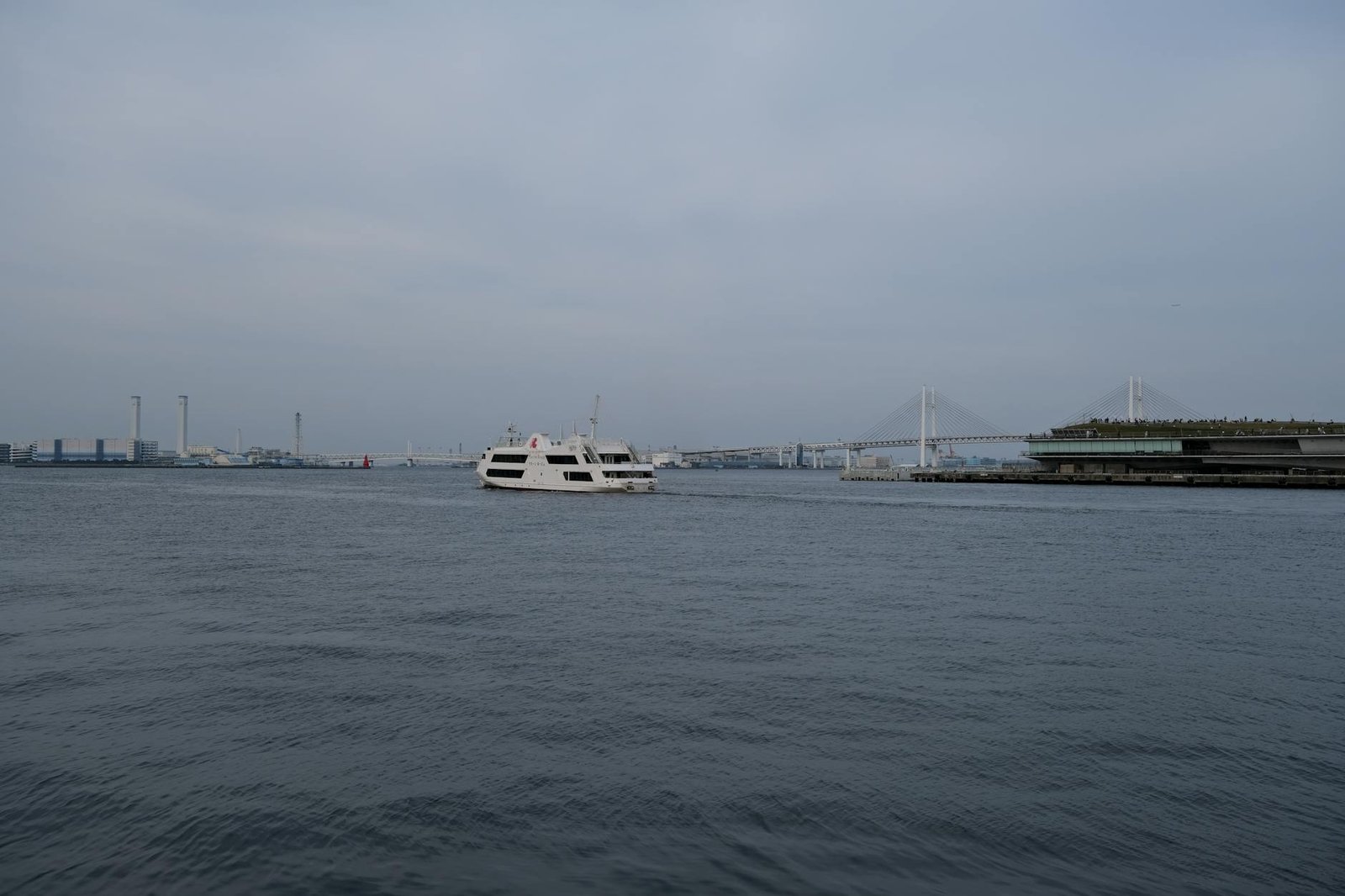
Yokohama surprises first-time visitors who expect a generic port city and instead find a sophisticated, cosmopolitan destination with its own distinct personality. Just 30 minutes from Tokyo by train, Japan’s second-largest city rewards cruise passengers with waterfront architecture, incredible food, and a fascinating layered history — all within easy reach of the pier. Whether you have four hours or a full day, Yokohama punches well above its weight.
Arriving by Ship
Most cruise ships dock at the Osanbashi International Cruise Terminal, one of the most striking port facilities in Asia. The terminal’s undulating wooden roof is a work of art in itself, and you’ll step off your ship directly onto a waterfront promenade with sweeping views of the city skyline. The Minato Mirai 21 district — Yokohama’s gleaming modern waterfront — is visible immediately, so orientation is genuinely intuitive.
From the terminal, Kannai Station (a short walk) connects you to JR and subway lines for broader exploration. Taxis and rideshare options are plentiful outside the terminal. If you’re planning to continue on to Tokyo or the airports after your cruise, transfers are straightforward to arrange in advance. 🎟 Book: Intercity Shuttle, Yokohama to Haneda /Narita /Tokyo /TDR
Things to Do

Yokohama rewards walkers. Start at the Minato Mirai waterfront district, where the landmark Cosmo Clock 21 Ferris wheel and the red-brick Yokohama Red Brick Warehouse sit alongside contemporary museums and cafés. From there, stroll to Yamashita Park, a pleasant seafront promenade where the historic Hikawa Maru ocean liner is permanently moored — you can board it for a fascinating look at 1930s transatlantic travel.
Yokohama Chinatown is a short walk inland and is the largest in Japan, a sensory riot of red lanterns, temple gates, and street food vendors. It feels genuinely vibrant rather than touristy, and the Kanteibyo Temple at its heart is well worth stepping inside.
If you prefer something more curated, a private guided tour ensures you don’t miss hidden details that most visitors walk past entirely. 🎟 Book: Yokohama Private Tour with a Local: Highlights & Hidden Gems For those who want total flexibility, customisable tours covering both Yokohama and Tokyo are available for remarkably good value. 🎟 Book: Variety of Tokyo or Yokohama Tours Customizable and Memorable
Art lovers should carve out time for the Yokohama Museum of Art, housed in a dramatic Tange Kenzo-designed building in Minato Mirai, while history enthusiasts will enjoy the Foreign General Cemetery in the Yamate hillside district — a quiet, melancholic reminder of the international traders who shaped the city after Japan opened to the West in the 1850s.
Local Food
Yokohama has a legitimate claim to being Japan’s most exciting food city after Tokyo, and its port heritage gives it a uniquely international flavour. The city is famously the birthplace of ramen in Japan — specifically the Chinatown-influenced noodle soup that evolved here in the late 19th century. The Shin-Yokohama Ramen Museum (a short metro ride from the port) is a genuinely unusual attraction: a reconstructed 1950s streetscape where you can sample regional ramen styles from across Japan.
In Chinatown, don’t leave without trying nikuman (steamed pork buns) eaten straight from the vendor’s hands — it’s a Yokohama street food ritual. The area around Motomachi shopping street offers elegant Western-inflected cafés and patisseries, a legacy of the city’s foreign settlement era.
Shopping

Yokohama’s Motomachi district is the place to head if you appreciate boutique shopping with character. This tree-lined street has been the city’s most fashionable address since the 19th century, blending Japanese independent retailers with homegrown fashion labels. It feels far more local and relaxed than Tokyo’s more intense shopping districts.
Inside the Yokohama Red Brick Warehouse, you’ll find curated craft goods, local food products, and design items that make excellent gifts — far more interesting than airport souvenirs. Chinatown, of course, offers everything from Chinese teas and ceramics to Yokohama-branded confectionery.
Practical Tips
- Time your visit carefully. A half-day barely scratches the surface; a full day is ideal. If you’re tight on time, a four-hour private tour with a licensed guide delivers maximum value. 🎟 Book: Yokohama 4hr Private Tour with Government-Licensed Guide
- Get a Suica card at any JR station — it covers trains, subways, and many buses across the city.
- Yen is still king in Japan. While cashless payment is growing, smaller restaurants and market stalls remain cash-preferred.
- Connectivity: Pocket Wi-Fi rental from the terminal area keeps navigation seamless all day.
- Most key attractions in Yokohama are walkable between each other, so comfortable shoes matter more than detailed metro planning.
Yokohama is one of those rare ports where every hour ashore feels genuinely worthwhile. It combines the accessibility of a compact city with the depth of a place that has been shaped by centuries of international exchange — and it rewards curiosity at every corner.
🚢 Cruises That Stop at Yokohama Japan
Ready to experience Yokohama Japan for yourself? Search live sailings below — filter by departure port, cruise line, and travel dates to find the itinerary that works for you.
Widget not showing? Search all cruises to Yokohama Japan on CruiseDirect ↗
Affiliate link — we may earn a commission if you book through it.
🎟️ Things to Book in Advance
These highly-rated experiences fill up fast — book before you arrive to avoid missing out.


This page contains affiliate links. If you book through them, we may earn a small commission at no extra cost to you.
📍 Getting to Yokohama Japan
Use the interactive map below to explore the port area and plan your route from the terminal.
Leave a Reply