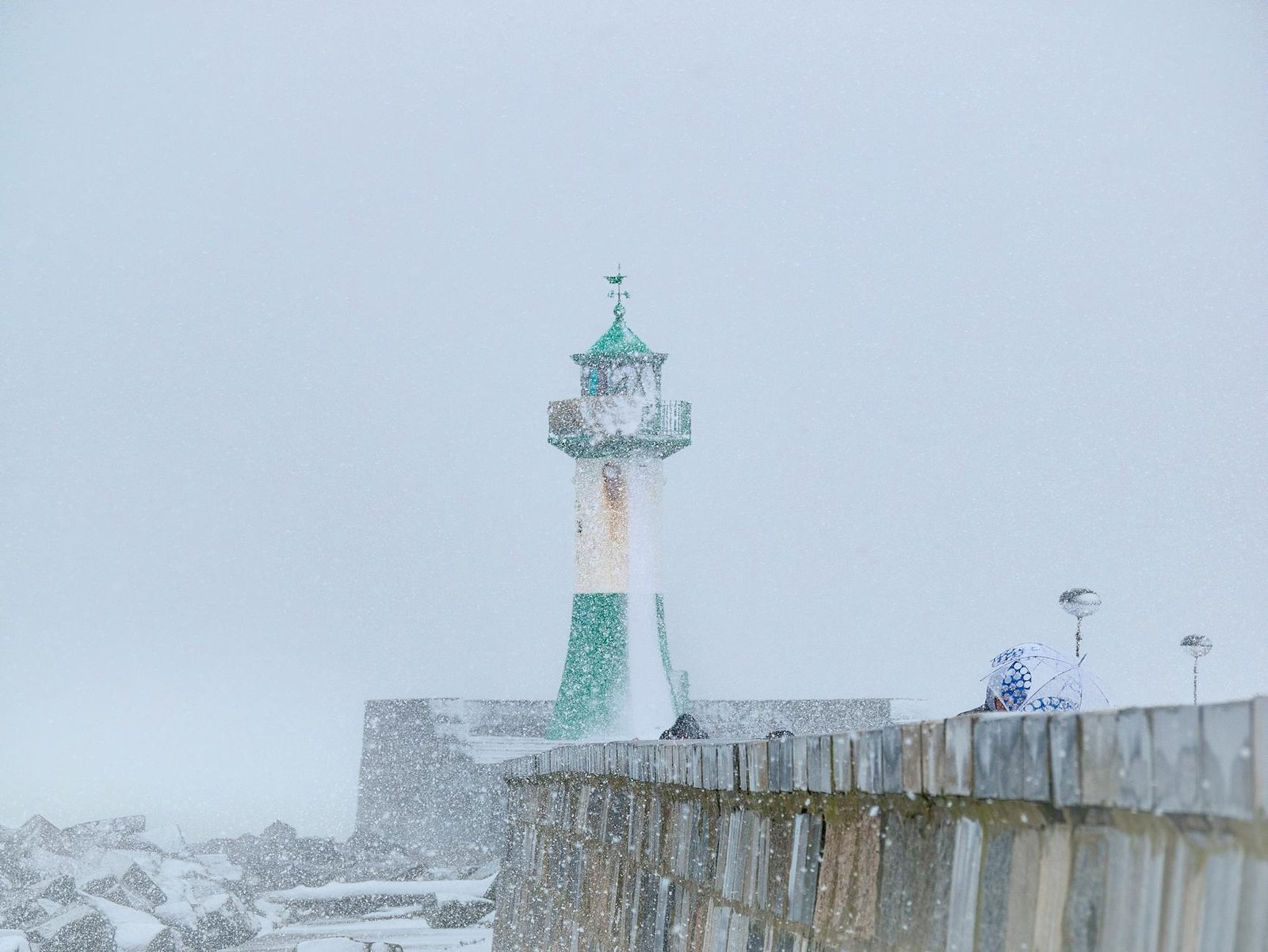
Perched on the northeastern tip of Rügen, Germany’s largest island, Sassnitz is a Baltic cruise port that trades in raw natural beauty rather than crowded tourist thoroughfares. With its towering white chalk cliffs, dense beech forests, and unhurried harbour atmosphere, it rewards curious passengers who venture beyond the gangway with something genuinely memorable.
Arriving by Ship
Cruise ships dock at the Mukran Port, a modern commercial and passenger terminal located roughly 3 kilometres from Sassnitz town centre. The port infrastructure is straightforward and well-organised, with shuttle buses typically arranged by cruise lines to ferry passengers into town or directly to key attractions. You won’t find an overwhelming welcome committee of souvenir vendors here — Sassnitz greets you quietly and on its own terms. Taxis are available at the port, and a short ride will get you into the heart of town or toward the national park entrances. The drive itself is pleasant, offering your first glimpse of Rügen’s forested, lake-dotted landscape.
Things to Do

The undisputed headline attraction is Jasmund National Park, a UNESCO World Heritage Site protecting the famous Königsstuhl chalk cliffs. These brilliant white formations rise up to 118 metres above the Baltic Sea and have inspired painters, poets, and photographers for centuries — most famously Caspar David Friedrich, whose 1818 painting Chalk Cliffs on Rügen made these cliffs internationally iconic. Walking the clifftop trails through ancient beech woodland to reach the viewpoints is an experience that feels almost otherworldly, especially on a clear morning when the sea shimmers below.
Back in Sassnitz itself, the old harbour district is worth an unhurried stroll. The promenade along the lower harbour has a pleasantly faded charm, lined with fishing boats, art installations, and a handful of cafés. You can visit the Sassnitz Museum, which covers the town’s history as a 19th-century fishing village and early resort destination. For something more active, rent a bicycle — Rügen has an excellent network of cycling paths, and the route through the beech forests toward Königsstuhl is manageable even for occasional cyclists.
If time allows, the town of Binz is worth a short trip. About 12 kilometres south of Sassnitz, it’s Rügen’s most elegant seaside resort, with a gorgeous stretch of sandy beach and beautiful Bäderstil architecture — the ornate white seaside villas that define the Baltic coast’s imperial-era resort style.
Local Food
Sassnitz’s culinary identity is firmly anchored in the sea. Freshly caught Baltic herring, prepared as rollmops, smoked, or simply pan-fried, is the defining local dish, and you’ll find it served without fuss at the harbour-side fish shacks and small restaurants. Look for Räucherfisch (smoked fish) vendors near the old harbour — eating smoked mackerel or herring wrapped in paper while looking out at the water is a port experience that beats almost any fine dining option.
For a sit-down meal, local restaurants along the promenade serve hearty German classics alongside Baltic-influenced dishes. Try Fischsuppe, a warming fish soup common across the Baltic coast, or order a plate of freshwater crayfish if they’re in season. German bread here is outstanding — dense, flavoursome, and served with every meal. Wash everything down with a local beer or a glass of fruit wine made from Rügen’s own apple and cherry orchards.
Shopping

Sassnitz is not a major shopping destination, and that’s genuinely part of its appeal. The town centre has a scattering of independent shops selling locally made crafts, Baltic amber jewellery, and Rügen-themed artwork and prints. Chalk cliff motifs appear on everything from postcards to ceramics, and a small reproduction of a Friedrich painting makes a more thoughtful souvenir than a mass-produced fridge magnet. The harbour area has a few artisan stalls, particularly in summer, where you can find hand-thrown pottery and handcrafted wooden items. Don’t expect duty-free luxury shopping — do expect something genuine and unhurried.
Practical Tips
Currency is the euro, and most places accept card payments, though carrying some cash for market stalls and fish vendors is wise. English is spoken at tourist-facing businesses but less universally than in larger German ports, so a few basic German phrases go a long way. The weather on Rügen is typically cool and breezy even in summer, so bring a light jacket even if the forecast looks warm. Ship turnaround times at Mukran are usually generous, but confirm your tender or shuttle schedule before committing to the Jasmund hike, as it takes a solid half-day. Finally, mosquitoes can be active in the forested areas in warmer months — insect repellent is worth packing.
Cruises That Visit Sassnitz, Germany
Sassnitz appears most frequently on Baltic Sea itineraries operated by lines including Fred. Olsen Cruise Lines, Saga Cruises, and Phoenix Reisen, which cater specifically to the kind of scenic, culturally rich ports that larger ships bypass. Hurtigruten and expedition-style operators have also featured Rügen on specialist Baltic programmes. These itineraries tend to be boutique in character, emphasising natural heritage over major cities.
Sailings typically depart from home ports such as Hamburg, Copenhagen, Kiel, and Southampton, with some longer voyages originating from Dover or Bergen. Voyage lengths generally range from 7 to 14 nights, covering a circuit of Baltic highlights including Stockholm, Tallinn, Gdańsk, and Visby.
The best time to visit is between late May and early September, when the beech forests are lush, the clifftop trails are accessible, and daylight hours are long. July and August bring the most reliable weather but also the most visitors to the national park.
🚢 Cruises That Stop at Sassnitz Germany
Ready to book a cruise to Sassnitz Germany?
Compare itineraries, prices, and cabin types from all the major cruise lines — with a best price guarantee and no booking fees.
🔍 Search Cruises to Sassnitz Germany →
Affiliate link — we may earn a commission if you book, at no extra cost to you.
Sassnitz won’t dazzle you with duty-free shops or all-inclusive beach clubs, but it will give you something rarer — a genuine encounter with a landscape that has moved artists and travellers for two centuries, served alongside smoked fish and sea air. For passengers willing to step off the beaten cruise track, Rügen’s little harbour town is quietly extraordinary.
📍 Getting to Sassnitz Germany
Use the interactive map below to explore the port area and plan your route from the terminal.
Leave a Reply