Santo Tomás de Castilla is one of Central America’s best-kept cruise secrets — a small Caribbean port on Guatemala’s Atlantic coast that opens the door to one of the continent’s most culturally rich countries. Most passengers arrive wondering whether it’s worth venturing beyond the dock, and the answer is a resounding yes. From ancient Maya ruins to highland markets ablaze with color, this port punches well above its weight.
Arriving by Ship
Santo Tomás de Castilla sits within the Gulf of Honduras, not far from the town of Puerto Barrios. The port itself is a working industrial harbor rather than a polished tourist terminal, so don’t expect manicured promenades or designer boutiques the moment you step off the gangway. What you will find is a modest welcome area with local vendors, taxi drivers, and tour operators eager to connect you with Guatemala’s interior.
Tenders are not usually required here — most ships dock directly. The port area is small and walkable within the immediate vicinity, but the real highlights require transportation. Organized shore excursions depart quickly, so if you’ve pre-booked a tour, confirm your meeting point as soon as you disembark. Independent travelers can negotiate with taxis near the pier, though having your destination written down in Spanish helps enormously.
Things to Do

This is where Santo Tomás de Castilla genuinely surprises people. Guatemala’s interior is within striking distance, and the rewards for venturing inland are extraordinary.
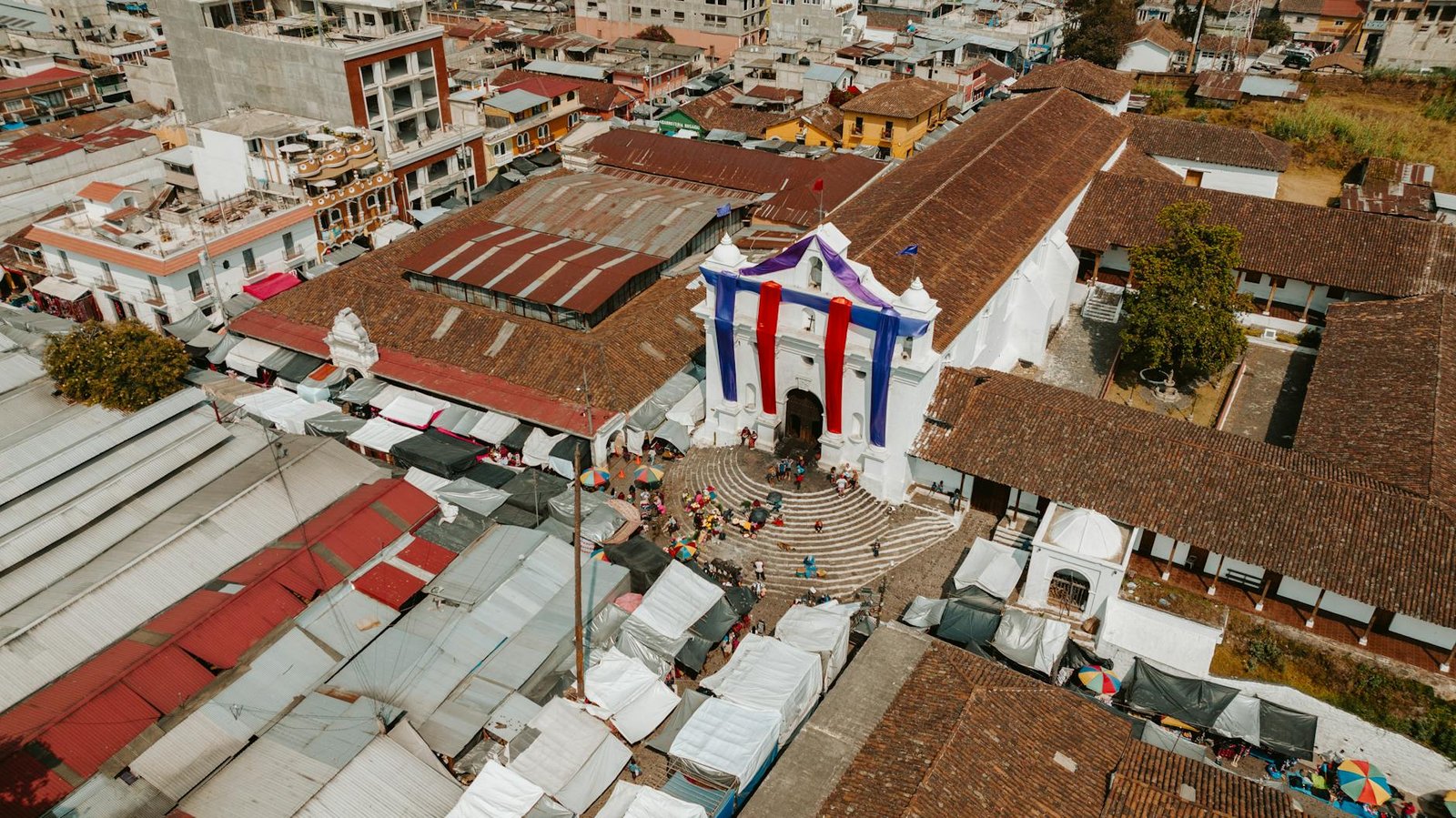
The famous Chichicastenango market is arguably the most spectacular indigenous market in all of the Americas. Held on Thursdays and Sundays, this highland Maya market is a sensory overload in the best possible way — smoke from copal incense drifting over stalls of hand-woven textiles, carved masks, pottery, and fresh produce. Combine it with the nearby pre-Columbian ceremonial site of Iximché and you have a genuinely unforgettable day. A guided day trip handles the logistics seamlessly 🎟 Book: Chichicastenango and Iximché Day Trip from Antigua. If you prefer a dedicated walking tour through the market with an expert guide explaining the cultural and spiritual significance behind what you’re seeing, that’s also a brilliant option 🎟 Book: Traditional & Colorful Chichicastenango Market Walking Tour.
For those with a passion for Guatemala’s natural beauty, the crystalline Lake Atitlán — surrounded by three towering volcanoes — is one of those places that makes you forget to take photos because you’re too busy staring. Some tours cleverly combine the lake with the Chichicastenango market in a single action-packed day 🎟 Book: Full Day Tour: Chichicastenango Maya Market and Lake Atitlan from Guatemala City.
Closer to port, the town of Livingston is accessible by boat and offers a fascinating Garifuna cultural experience with a distinctly Caribbean rhythm quite unlike the rest of Guatemala.
Local Food
Near the port and throughout the region, look out for tapado, a rich coconut-based seafood stew that is deeply tied to the Afro-Caribbean Garifuna culture of this coastline. It typically combines shrimp, fish, plantain, and coconut milk into something warming and deeply satisfying. In local eateries near the pier, you’ll also find pepián (a thick seed-based stew), black beans with rice, and freshly fried plantains served alongside almost everything.
Street vendors often sell elotes (grilled corn on the cob) and sweet tropical fruit. If you spot a place selling atol, a warm masa-based drink, try it — it’s a genuine taste of Maya tradition.
Shopping

Guatemala produces some of the most beautiful handcrafts in Latin America, and even near the port you’ll find vendors selling huipiles (traditional embroidered blouses), woven bracelets, jade jewelry, and hand-painted wooden goods. Prices are generally reasonable, but bargaining is expected and part of the social ritual — approach it with a smile rather than aggression.
For the best selection and authenticity, the Chichicastenango market remains unbeatable. If you’re buying textiles, look for tightly woven pieces with consistent, detailed patterns — a sign of quality craftsmanship passed down through generations.
Practical Tips
- Currency: The Guatemalan Quetzal (GTQ) is the local currency, though US dollars are widely accepted near tourist areas. Carry small bills.
- Safety: Stick to organized tours or reputable taxi drivers when venturing beyond the port. The port area itself is generally safe.
- Time: Guatemala’s interior takes time to reach — budget at least 2–3 hours each way to highland destinations. Always confirm your ship’s all-aboard time and build in buffer.
- Language: Spanish is the primary language. Basic phrases go a long way and are genuinely appreciated.
- Health: Drink bottled water only, and carry hand sanitizer.
Santo Tomás de Castilla won’t dazzle you at the dock — it saves its drama for the journey inland. Give it a full day, go with curiosity, and Guatemala will reward you with experiences that linger long after your ship has sailed.
🎟️ Things to Book in Advance
These highly-rated experiences fill up fast — book before you arrive to avoid missing out.


This page contains affiliate links. If you book through them, we may earn a small commission at no extra cost to you.
📍 Getting to Santo Tomas De Castilla Guatemala
Use the interactive map below to explore the port area and plan your route from the terminal.
Leave a Reply