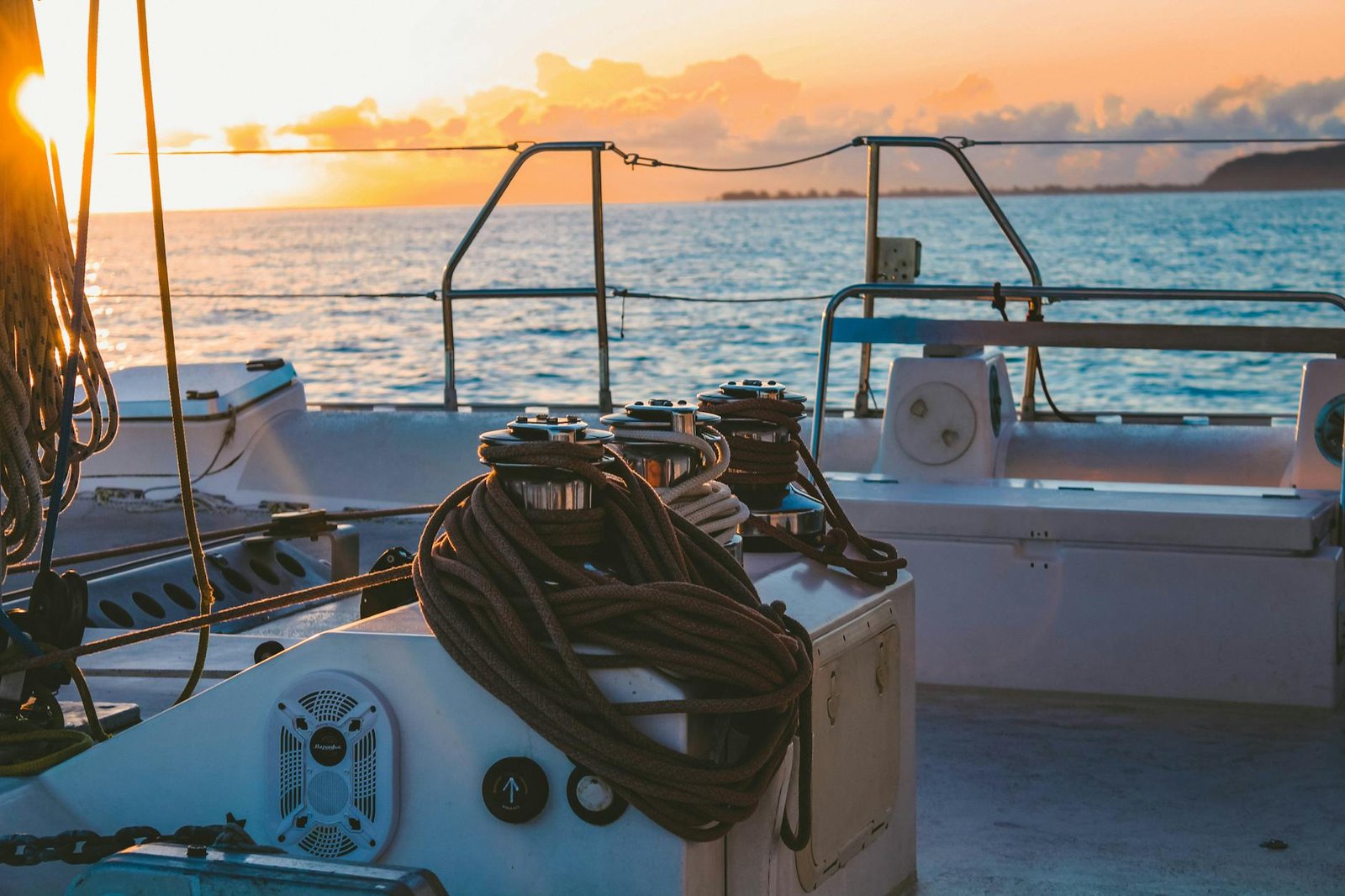
Fewer than 2,000 people live on Mangareva, the main island of the remote Gambier archipelago — and most cruise ships never find it at all. That’s precisely what makes arriving here feel like stumbling onto a secret. From the moment your tender skims across the lagoon, you’ll understand why pearl farmers, missionaries, and modern adventurers have all been quietly obsessed with this place.
Arriving by Ship
There is no deep-water cruise dock at Rikitea, so all ships use tenders to bring passengers ashore at the small village jetty. The lagoon crossing takes roughly 10–20 minutes depending on where your ship anchors, and the calm, turquoise waters make for a genuinely beautiful ride in.
Once ashore, you’re essentially in the centre of Rikitea village — the only real settlement on the island. Everything worth seeing is within a short walk or a quick truck ride, so orientation happens fast.
Things to Do

Mangareva rewards slow exploration — this is not a port for ticking off tourist traps, but for sitting inside a 19th-century cathedral, paddling over coral gardens, and talking to pearl farmers who work in one of the world’s most isolated aquaculture industries.
History & Culture
- Cathédrale Saint-Michel de Rikitea is the unmissable centrepiece of the island — a vast, stone Gothic cathedral built by missionary Father Honoré Laval in the 1840s using local labour; step inside to see the mother-of-pearl altar inlays that took years to complete.
- Rouru and Akamaru Islands (day trip by boat) offer ruins of Laval’s other missionary-era stone structures, including churches and convents that now stand quietly crumbling among tropical vegetation.
- The Laval Legacy Walking Trail winds through Rikitea past historic stone buildings; pick up a simple hand-drawn map from the mairie (town hall) near the jetty — it’s free.
Nature & Outdoors
- Lagoon snorkelling directly off the village shore puts you above some of the most pristine coral in French Polynesia; visibility regularly exceeds 30 metres and the reef fish life is extraordinary.
- Mount Duff hike climbs to the island’s highest peak for panoramic views of the entire atoll lagoon; allow 3–4 hours return and bring serious water — there’s no shade on the upper trail.
- Kayaking the lagoon can be arranged informally through a couple of local operators near the jetty for around 1,500–2,000 XPF (roughly $13–18 USD) per hour.
Pearl Farms
- Black pearl farm visits are the cultural highlight of Mangareva — several farms offer informal guided tours where you can watch the grafting process and learn how Gambier’s pearls differ from Tahitian ones; many farmers sell directly from small huts near the water, cutting out middlemen entirely.
What to Eat
Eating in Rikitea means eating what the lagoon and the garden provide — fresh fish, coconut, taro, and fruit dominate every meal. There are no restaurants in the tourist sense, but a couple of small snack bars (local fast-casual eateries) and family-run guesthouses serve food worth seeking out.
- Poisson cru — raw tuna marinated in lime juice and coconut milk — is the go-to dish across French Polynesia and Mangareva does a particularly clean, fresh version; look for it at the snack bar near the cathedral for around 800–1,200 XPF.
- Grilled mahimahi with coconut rice appears on most guesthouse menus; expect to pay 1,500–2,000 XPF for a generous plate.
- Firi firi (Polynesian doughnuts flavoured with coconut) are sold from local homes in the morning; spot them by following the smell of frying oil before 9am.
- Taro-based dishes show up as sides or mains in local homes and pensions — earthy, filling, and nothing like anything you’ll find back home.
- Fresh coconut sold from roadside baskets for around 100 XPF is the best thirst-quencher after a hot hike.
Shopping

Black pearls are the obvious and correct thing to buy here. Purchasing directly from Gambier farmers — rather than jewellery stores in Papeete — means you’ll pay significantly less and know exactly where your pearl came from. Prices vary enormously by size, lustre, and shape, starting around 2,000 XPF for loose pearls and climbing steeply from there.
Beyond pearls, look for woven pandanus-leaf hats and baskets made by local women — these are genuinely handmade and rarely replicated elsewhere in Polynesia. Avoid any shell jewellery made from protected species; ask questions before you buy.
Practical Tips
- Currency is the French Pacific Franc (XPF) — there is no ATM on Mangareva, so bring enough cash from your ship or from Tahiti before arriving.
- Tipping is not customary in French Polynesia and won’t be expected.
- Dress modestly when entering the cathedral — shoulders and knees covered is the respectful minimum.
- Go ashore early — the village is at its most alive in the morning when fishing boats return and the snack bar opens.
- Spanish is useless here — French and basic Mangarevan will serve you far better, though smiling goes a long way.
- Mobile data is extremely limited — download offline maps before you tender ashore.
- You need a full day minimum to feel like you’ve scratched the surface; half-day visitors leave having only seen the cathedral.
Pack your curiosity alongside your sunscreen, because Mangareva hands you the rarest thing in modern travel — a place that genuinely hasn’t been smoothed out for tourists yet.
📍 Getting to Gambier Islands, French Polynesia, Rikitea-Mangareva
Use the interactive map below to explore the port area and plan your route from the terminal.
Leave a Reply