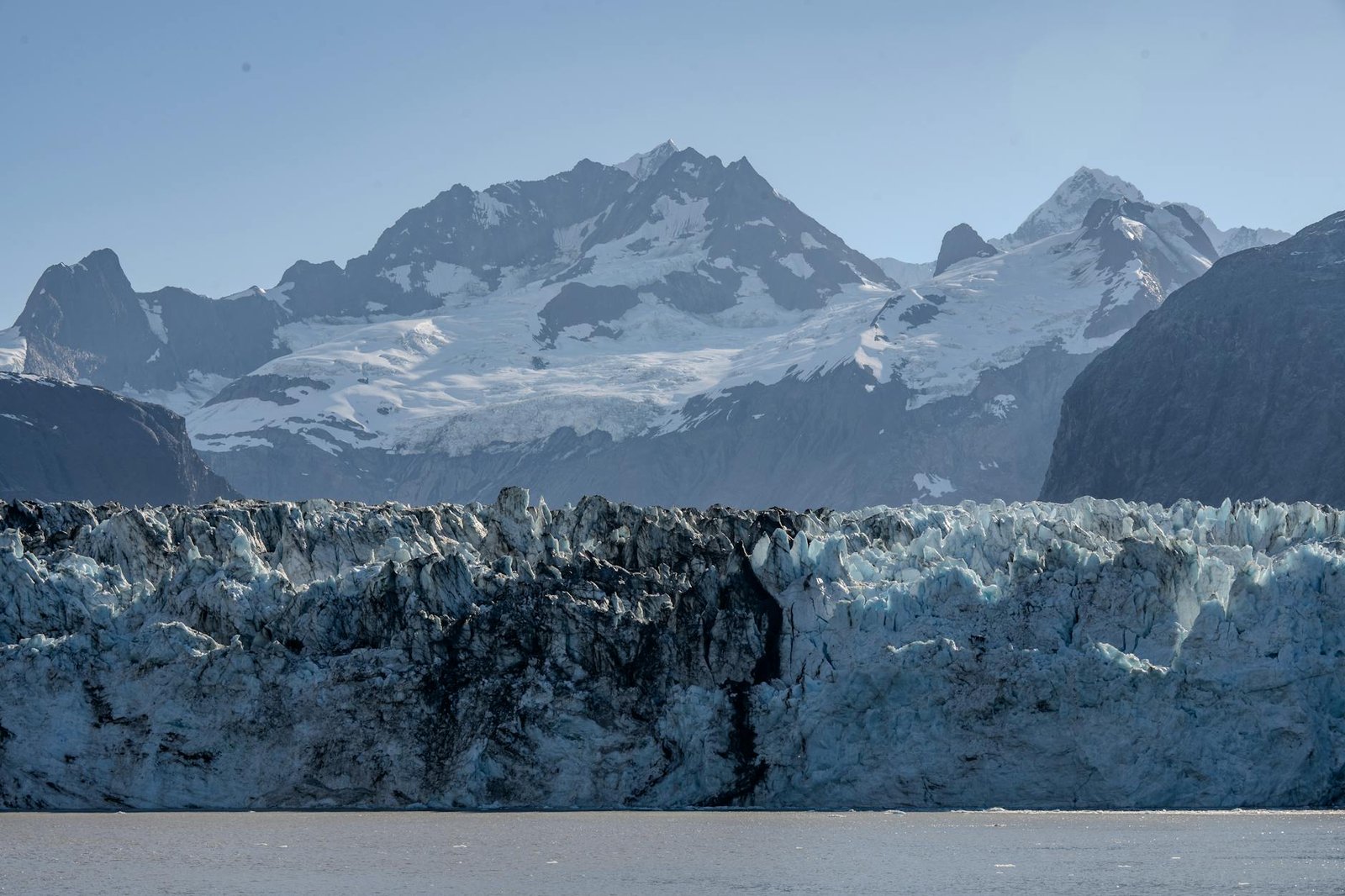
Glacier Bay is one of the few places on Earth where nature does something so dramatic it stops conversation mid-sentence. This UNESCO World Heritage Site and national park is a living, thundering, ice-sculpted wilderness that no photograph quite captures. If you’re sailing here, you’re in for something genuinely unforgettable.
Arriving by Ship
Glacier Bay is a park, not a port town — there’s no dock where you stroll off into a high street. Your ship sails directly into the bay itself, often escorting National Park Service rangers on board who narrate the journey as tidewater glaciers inch into view.
Most cruise lines spend a full day navigating the bay, meaning your ship is the experience. Bartlett Cove, near the park headquarters, is the only point where guests may go ashore, and access is strictly managed to protect the ecosystem — so plan your time on deck wisely.
Things to Do

The bay rewards the patient and the curious in equal measure. Whether you’re scanning for orcas from the bow or listening to the distant crack of calving ice, every hour here feels earned.
On the Water
- Watch glaciers calve at Margerie Glacier — one of the most active tidewater glaciers in the park, it regularly thunders house-sized chunks of ice into the sea right in front of anchored ships.
- Spot humpback whales breaching — the bay is a critical summer feeding ground, and sightings are genuinely common between June and September. For a dedicated whale-watching experience, consider an Alaska Whale Watching Cruise with three full hours on the water. 🎟 Book: Alaska Whale Watching Cruise w/ 3 HOURS on the water
- Kayak through icebergs — guided kayak tours from Bartlett Cove let you paddle among floating blue ice; book through Glacier Bay Sea Kayaks (from around $85 for a half-day).
- Join the Park Service ranger programme on board — free, fascinating, and running throughout the day as your ship moves through the bay.
On Shore at Bartlett Cove
- Hike the Forest Loop Trail — a 1.5-mile walk through old-growth Sitka spruce and hemlock, free to access, with excellent birdwatching opportunities.
- Visit the Glacier Bay Visitor Center — open daily in summer (9am–5pm), with exhibits on the park’s geology, Indigenous Huna Tlingit history, and wildlife.
- Attend a Huna Tlingit cultural demonstration — rangers and tribal members share the deep ancestral connection the Tlingit people have to this land, often held at the Xunaa Shuká Hít (Huna Ancestors’ House) near Bartlett Cove.
- Look for brown bears along the shoreline — early morning shore walks near Bartlett Cove regularly turn up foraging bears at low tide.
What to Eat
Glacier Bay itself has minimal dining infrastructure — this is a national park, not a resort town. Your ship’s dining will be your main source of meals, but if you get ashore or plan a pre/post-cruise stop in nearby Juneau (the closest real hub), eat like a local.
- King crab legs — the gold standard of Alaskan seafood; expect to pay $40–$70 for a proper serve at Juneau restaurants like Deckhand Dave’s Fish Tacos or Tracy’s King Crab Shack.
- Halibut fish and chips — fresh-caught, battered, and genuinely superior to anything you’ve had before; around $18–$25 at casual Juneau spots.
- Smoked salmon — ubiquitous and excellent throughout Alaska; look for alder-smoked varieties at local markets for around $15–$25 per pack.
- Reindeer sausage — a uniquely Alaskan street food staple, often served in a hot dog bun with mustard and onions for under $10 at outdoor stalls.
- Blueberry anything — wild Alaskan blueberries are intensely flavoured; try them in pancakes, jam, or pastries at Juneau bakeries for $5–$12.
Shopping

Glacier Bay itself has a small gift shop at the visitor centre — think ranger hats, field guides, and national park patches. It’s charming but limited. For serious shopping, Juneau is your answer.
Look for authentic Huna Tlingit and Alaska Native artwork — carved totems, woven baskets, and silver jewellery made by local artisans are worth investing in. Avoid mass-produced “Native-style” souvenirs that aren’t actually made by Indigenous artists; look for the Silver Hand label, which guarantees authentic Alaska Native craftsmanship.
Practical Tips
- Currency is USD — cards are accepted at the visitor centre and Juneau shops, but carry some cash for smaller vendors and markets.
- Dress in layers — temperatures in summer typically sit between 45–65°F (7–18°C), with wind chill on deck making it feel significantly colder.
- Go to the bow early — prime glacier-viewing spots fill up fast; stake your place at least 30 minutes before your ship reaches Margerie Glacier.
- Binoculars are essential — wildlife is abundant but often distant; a decent pair makes the difference between spotting a bear and missing one entirely.
- Photography tip: overcast days often produce better glacier shots — the blue ice colours pop without harsh shadows.
- Book shore excursions in advance — kayak tours and cultural experiences have strict capacity limits and sell out weeks ahead in peak season (June–August).
- Tipping is standard — 15–20% in restaurants; tip your ship’s naturalist guides and Park Service rangers are volunteers (no tips needed, but a thank-you goes far).
Pack your warmest fleece, charge your camera battery the night before, and get yourself to the bow early — Glacier Bay is the kind of place that reminds you exactly why travel matters.
🎟️ Things to Book in Advance
These highly-rated experiences fill up fast — book before you arrive to avoid missing out.


This page contains affiliate links. If you book through them, we may earn a small commission at no extra cost to you.
📍 Getting to Glacier Bay, Alaska
Use the interactive map below to explore the port area and plan your route from the terminal.
Leave a Reply