Kota Kinabalu, fondly known as KK, is one of Southeast Asia’s most underrated cruise ports — a sun-drenched city on the northwest coast of Borneo where ancient rainforest, coral-fringed islands, and one of the world’s most biodiverse ecosystems sit within easy reach of the waterfront. Whether you have six hours or a full day ashore, this vibrant Malaysian capital of Sabah rewards curious travellers with extraordinary wildlife, warm local hospitality, and seafood that will genuinely stop you in your tracks.
Arriving by Ship
Cruise ships dock at Jesselton Point Ferry Terminal, right in the heart of the city. It’s one of the most conveniently located ports in the region — step off the gangway and you’re essentially already in KK’s centre. Taxis, Grab rides (Malaysia’s answer to Uber), and local tour operators are all readily available within minutes of disembarking. The terminal itself has a tourist information booth, money changers, and a few small shops to get your bearings. Crucially, most major attractions are either walkable or a short, inexpensive ride away, which makes independent exploration surprisingly straightforward even without a pre-booked tour.
Things to Do

The single most iconic experience in Kota Kinabalu is gazing up at Mount Kinabalu, Borneo’s highest peak and a UNESCO World Heritage Site. You almost certainly won’t summit it on a port day — that requires permits booked months in advance — but a half-day trip to Kinabalu Park (roughly two hours from the city) lets you walk lush botanical trails, spot pitcher plants, and breathe genuinely cool mountain air. It’s worth every minute if the weather cooperates.
Back in the city, the Sabah State Museum is a beautifully curated introduction to Borneo’s indigenous cultures, natural history, and colonial past. Nearby, the Mari Mari Cultural Village offers a more interactive alternative — a guided experience where you can visit replica longhouses belonging to Sabah’s five main indigenous tribes, watch traditional crafts being made, and try a blowpipe.
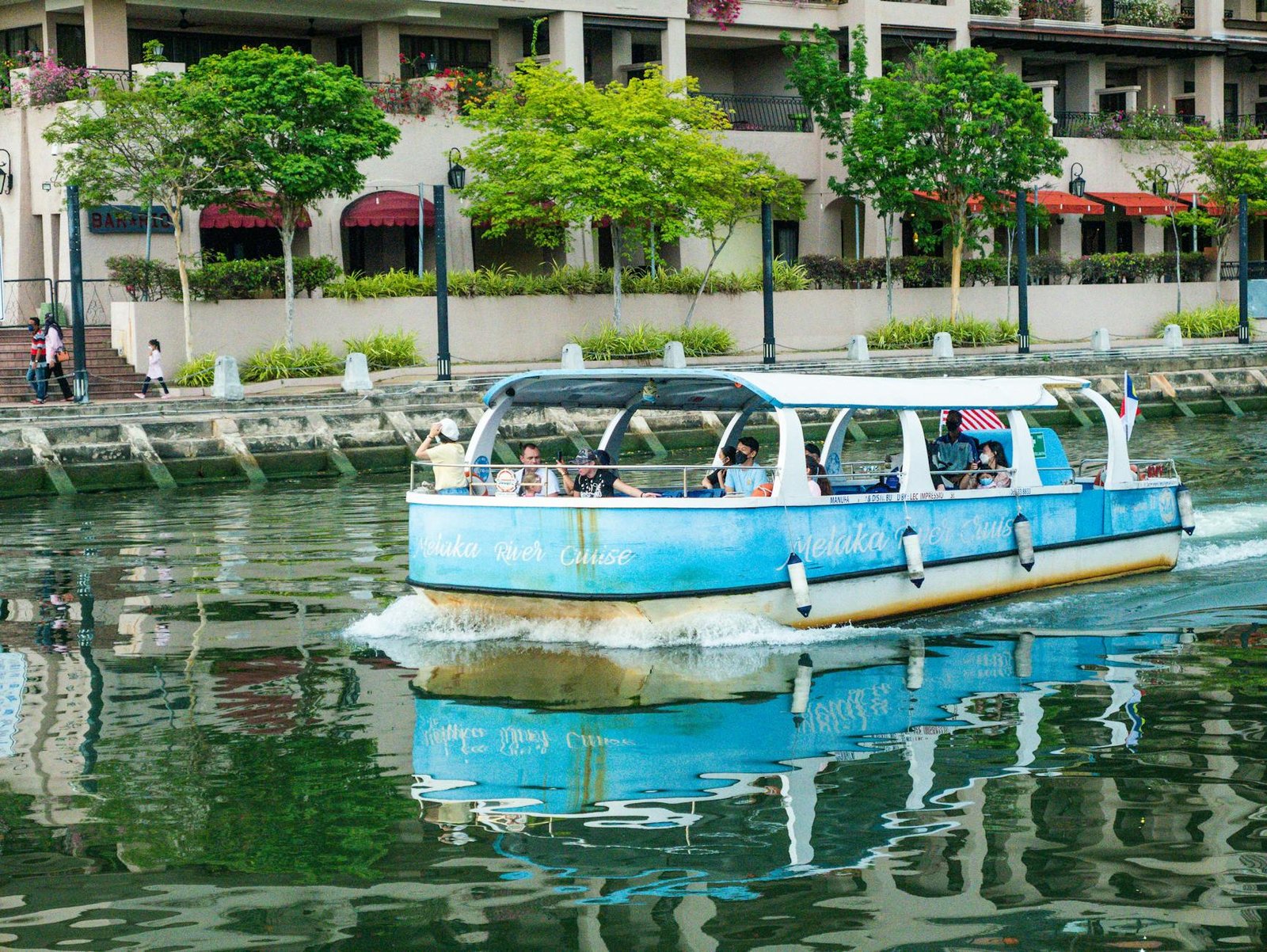
For wildlife lovers, a half-day river cruise to the Klias Wetlands is a favourite excursion from KK. Proboscis monkeys — those extraordinary long-nosed primates found only in Borneo — are regularly spotted along the riverbanks, particularly at dusk. It’s genuinely humbling wildlife viewing in its natural habitat.
If you’d rather stay close to the ship, the Tunku Abdul Rahman Marine Park is a collection of five island groups visible from the dock. Island-hopping boat trips depart regularly from Jesselton Point, taking you to Sapi Island or Mamutik Island for snorkelling over coral gardens and swimming in emerald water. The whole trip costs very little and the islands are just 15–20 minutes away.
Local Food
KK’s food scene is the port’s best-kept secret, and the Kota Kinabalu Night Market (also called Filipino Market) is where you must eat. Hundreds of stalls fire up grills at dusk, piling fresh seafood — giant prawns, clams, stingray, barramundi — onto barbecue racks over glowing charcoal. You pick your fish, choose your sauce, and find a plastic chair while someone brings cold coconut juice to your table. It costs almost nothing and tastes absolutely magnificent.
For something local at any hour, look for hinava — a Kadazan-Dusun dish of raw fish cured in lime juice with chilli and bitter gourd seeds, essentially Borneo’s own ceviche. It’s extraordinary with a cold Sabah-brewed beer. Beef soto, a spiced broth served with rice cakes and crispy shallots, is the city’s favourite breakfast. And don’t leave without trying Sabah tea, grown in the highlands and served strong and fragrant at every kopitiam (traditional coffee shop) across town.
Shopping

Kota Kinabalu is an excellent port for authentic, non-touristy shopping if you know where to look. The Handicraft Market near the waterfront sells traditional Sabahan textiles, woven baskets, beadwork, and wooden carvings made by local artisans. Prices are reasonable and you’ll find genuinely handmade pieces rather than mass-produced imports. The Gaya Street Sunday Market is legendary among locals — hundreds of vendors selling everything from fresh produce to tribal jewellery — but only applies if your ship is in port on a Sunday morning.
For air-conditioned browsing, Suria Sabah Mall is a modern shopping centre a short walk from the terminal with local fashion brands, pharmacies, and a large supermarket where you can stock up on Malaysian snacks and Sabah’s world-famous bird’s nest products.
Practical Tips
The Malaysian Ringgit (MYR) is the local currency and ATMs are plentiful near the terminal. Temperatures hover around 28–33°C year-round with high humidity, so wear light, breathable clothing and carry sunscreen. Modest dress is appreciated at cultural sites and markets. English is widely spoken throughout KK, making navigation easy for first-time visitors. Grab is consistently cheaper and more reliable than street taxis, so download the app before you arrive. Finally, if you’re taking a longer excursion to Kinabalu Park or the wetlands, book with reputable operators at the terminal the morning you arrive — prices are fair and guides are genuinely knowledgeable.
Kota Kinabalu rewards those who venture beyond the dock with experiences that feel rare even by Southeast Asia’s high standards. From the wild interior of Borneo to a barbecued prawn eaten beside the South China Sea, few ports on the region’s cruise circuit deliver quite as much, quite so effortlessly.
Leave a Reply