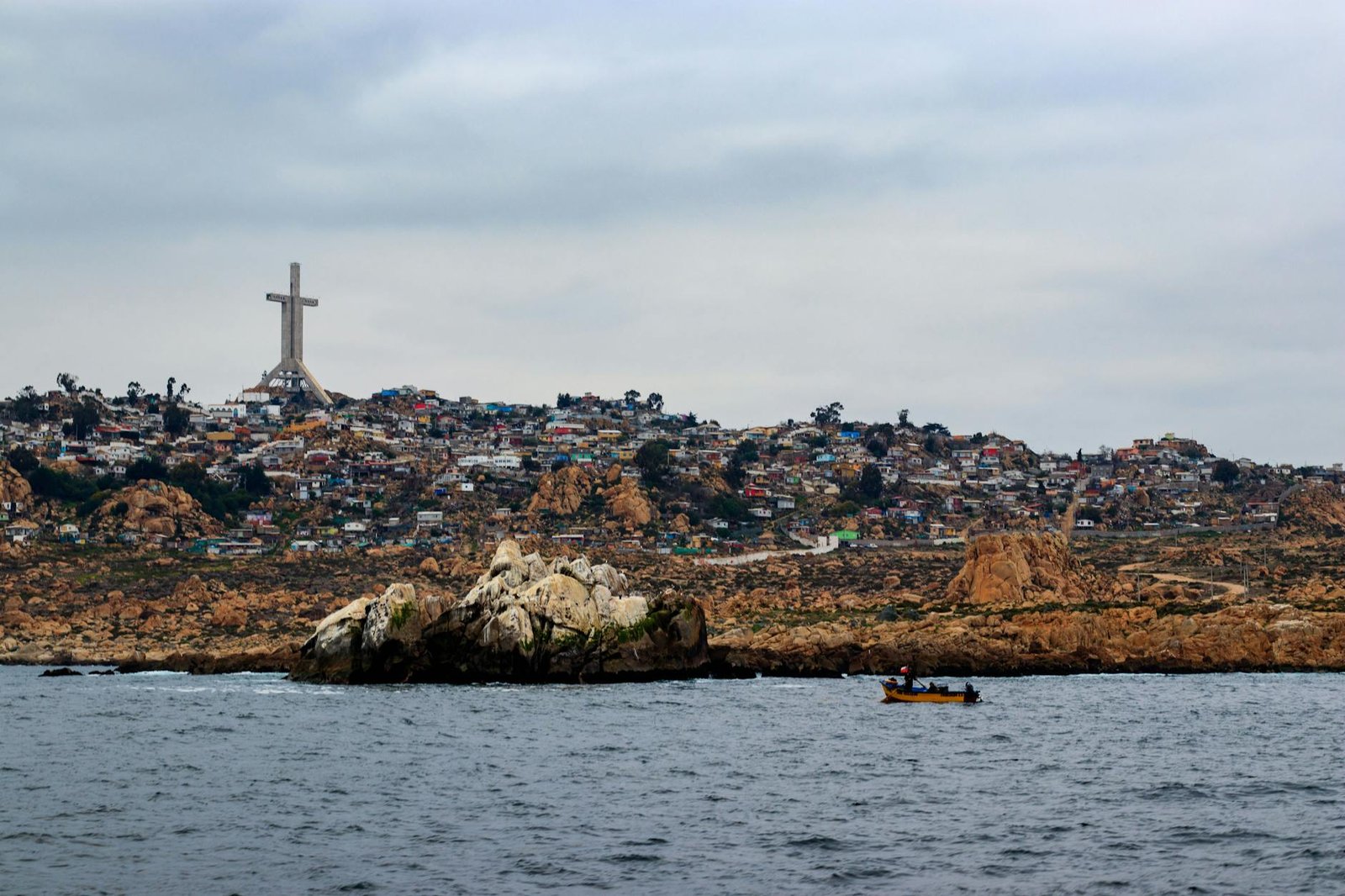
Sitting side by side on Chile’s sun-drenched Norte Chico coast, Coquimbo and La Serena form one of the country’s most rewarding cruise stops — a place where colonial churches, starlit observatories, and Humboldt penguins all compete for your attention. The region enjoys more than 300 sunny days a year, making it one of the best spots in the southern hemisphere for astronomy and, frankly, for spending a shore day outdoors. Whether your ship docks for six hours or an entire day, this twin-city destination punches well above its weight.
Arriving by Ship
Cruise ships dock at the Port of Coquimbo, a working commercial harbour that has been upgraded significantly to welcome passengers. The terminal is compact and easy to navigate, with taxis, tour operators, and local guides waiting just beyond the gates. La Serena, the regional capital and the more polished of the two cities, sits roughly 15 minutes north by taxi or shuttle — close enough that most visitors explore both on the same excursion. English is less widely spoken here than in Santiago, so having a printed map or a tour booked in advance makes the day considerably smoother.
Things to Do

The sheer variety on offer is the best argument for booking a structured excursion early. In Coquimbo itself, the Cruz del Tercer Milenio — a 93-metre cross perched dramatically on a hilltop above the bay — is unmissable. Climb inside for a panoramic lift ride and sweeping views over the Pacific and the Andes simultaneously. Down in the harbour district, the Barrio Inglés (English Quarter) is a colourful strip of Victorian-era houses turned into bars, cafés, and craft shops, reflecting the area’s 19th-century mining boom and the British workers who fuelled it.
Over in La Serena, the Plaza de Armas is ringed by 29 historic churches — a legacy of Spanish colonial ambition — and the Museo Arqueológico houses one of Chile’s finest collections of pre-Columbian artefacts, including remarkable Diaguita ceramics. For something truly extraordinary, head out to the Elqui Valley, a narrow strip of green vines and clear skies that produces Chile’s finest pisco. A guided city tour covering both urban centres is the most efficient use of your time. 🎟 Book: La Serena & Coquimbo City Tour – Short Cruise Excursion For a more personalised pace, a private option lets you linger where the mood takes you. 🎟 Book: Private La Serena and Coquimbo City Tour
If wildlife is your priority, don’t miss the chance to sail to Isla Damas in the Humboldt Penguin National Reserve. The full-day trip takes you past sea lions, dolphins, and thousands of Humboldt penguins in their natural coastal habitat — genuinely one of the most memorable wildlife experiences on the entire South American cruise circuit. 🎟 Book: Sailing and Hiking Isla Damas : Humboldt Penguin Reserve
Local Food
The Norte Chico region has a cuisine built on seafood, simplicity, and excellent local produce. In Coquimbo’s fish market — the Mercado La Recova — you’ll find stalls selling caldillo de congrio, a hearty conger eel soup that Pablo Neruda famously wrote a poem about. It’s warming, salty, and deeply Chilean. Ceviche here skews more traditional than the Peruvian-influenced versions further north, using fresh local catch and a simple citrus cure.
Save room for anything made with pisco, the grape-based spirit produced in the nearby Elqui Valley. A pisco sour — tart, frothy, and served chilled — is the natural aperitif for the region, and you’ll find excellent versions in the Barrio Inglés. Papaya, grown locally in the valley, also appears in desserts, juices, and even as a pisco mixer, and it tastes nothing like the papaya you’ve had anywhere else.
Shopping

La Recova market in La Serena is the best single stop for souvenirs, with two floors of stalls selling lapis lazuli jewellery (Chile is one of the world’s primary sources), hand-woven textiles, Diaguita-inspired ceramics, and bottles of local pisco to take home. The Barrio Inglés in Coquimbo has more boutique options — small galleries, leather goods, and artisan food products. Avoid the generic port-area shops and head a few blocks inland for more authentic finds.
Practical Tips
The Chilean peso is the local currency; carry some cash for the market and smaller stalls, though larger shops accept cards. Taxis should be metered or agreed in advance — settle the price before you get in. The sun here is intense even in cooler months, so sunscreen and a hat are non-negotiable. Spanish basics go a long way and are genuinely appreciated by locals.
Coquimbo and La Serena reward curiosity. This is a port where the temptation is to stay longer than your ship allows — and that, really, is the best thing you can say about any cruise destination.
🎟️ Things to Book in Advance
These highly-rated experiences fill up fast — book before you arrive to avoid missing out.


This page contains affiliate links. If you book through them, we may earn a small commission at no extra cost to you.
📍 Getting to Coquimbo (La Serena) Chile
Use the interactive map below to explore the port area and plan your route from the terminal.
Leave a Reply