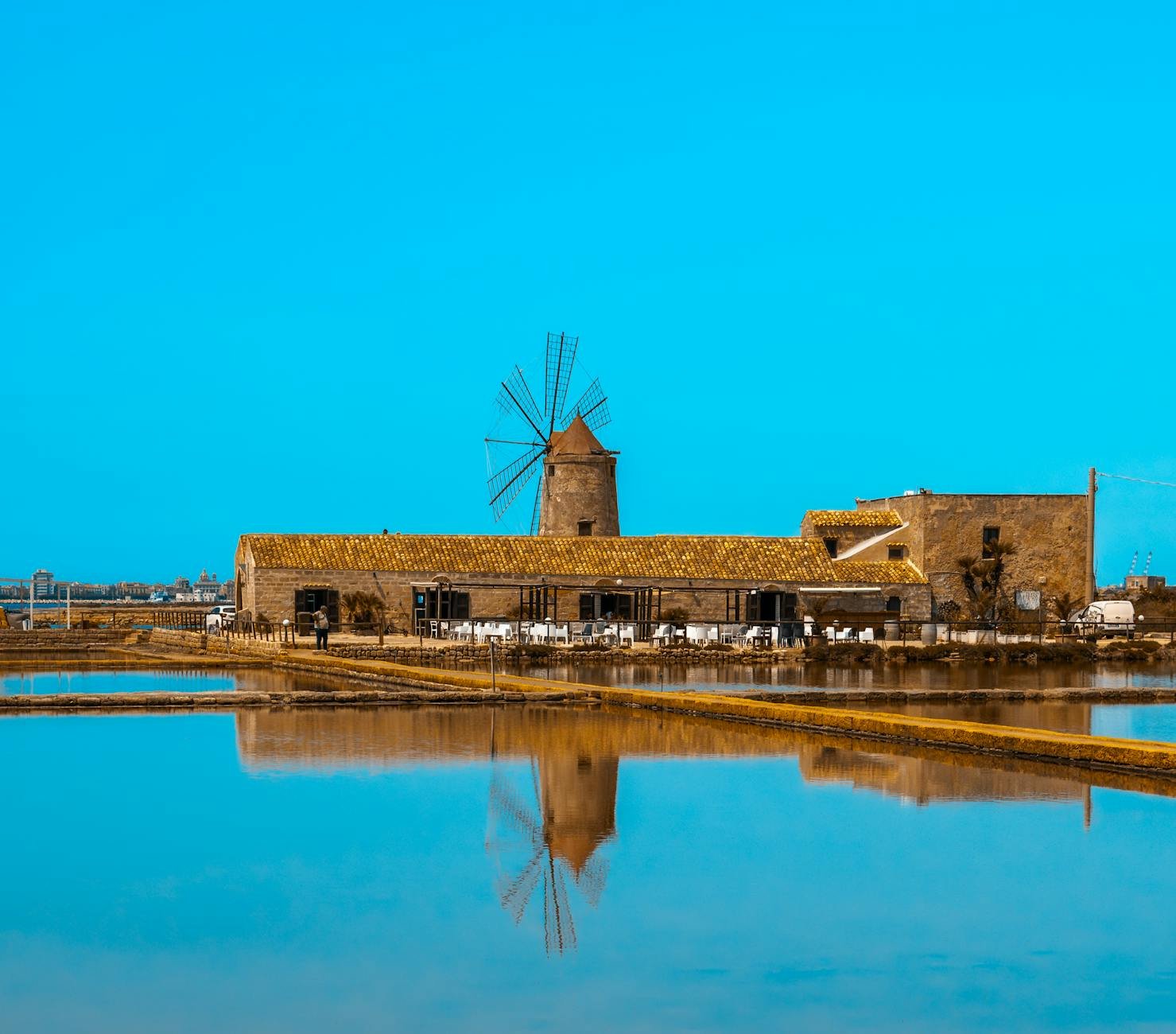
Perched on Sicily’s far western tip like a narrow blade pointing toward Africa, Trapani is one of Italy’s most underrated cruise stops — a city where Arab, Norman, and Spanish cultures have layered themselves into every cobblestone and kitchen. The salt marshes that stretch south of town have been harvested here for over two millennia, giving Trapani a flavour quite unlike anywhere else in the Mediterranean. If your ship pulls in here, consider yourself lucky — this is authentic Sicily without the crowds.
Arriving by Ship
Trapani’s cruise terminal sits conveniently close to the historic centre, which means you can be wandering medieval streets within minutes of stepping off the gangway. The port is compact and well-organised, with taxis and local buses readily available just outside the terminal gates. The old town is entirely walkable — a narrow peninsula barely half a kilometre wide — so you won’t need a car to explore the highlights. That said, some of Trapani’s greatest treasures lie a short distance away, so booking a guided excursion in advance is always a smart move.
Things to Do

The salt pans south of Trapani are genuinely unmissable. At golden hour, the shallow lagoons turn shades of pink and amber while ancient windmills stand silhouetted against the sky — it’s one of Sicily’s most photogenic scenes. A guided tour of the salt pans and the fascinating Salt Museum gives you the full story of this ancient industry, from hand-harvested crystals to the mullet and tuna traditions that grew up alongside it. 🎟 Book: Guided tour of the salt pans of Trapani and the Salt Museum
If you have a full day and decent sea legs, a boat trip to the Egadi Islands is an absolute highlight. Favignana and Levanzo sit just off the coast, offering crystalline waters, sea caves, and the kind of swimming spots that make you want to extend your cruise indefinitely. An eight-hour island-hopping tour that includes lunch on board makes for an effortless, spectacular day. 🎟 Book: From Trapani: Egadi Islands tour with lunch on board
Back in town, don’t skip the Museo Regionale Pepoli, which houses an extraordinary collection of Sicilian coral carvings, majolica, and presepe figurines. The Church of Sant’Agostino, with its stunning Gothic rose window, is another gem that often gets overlooked by visitors rushing past. For something more leisurely, simply strolling the seafront promenade along Via Torrearsa as fishing boats bob in the harbour is a pleasure in itself. A self-guided audio walking tour of the historic centre lets you absorb the layers of history at your own pace. 🎟 Book: Trapani Walking Tour with Audio and Written Guide by a Local
Local Food
Trapani’s cuisine is where the city truly sings. This is the home of pesto alla trapanese — a rougher, more rustic cousin of Genoese pesto made with almonds, tomatoes, garlic, basil, and local olive oil rather than pine nuts. Order it tossed with busiate, the town’s characteristic hand-rolled pasta, and you’ll understand why Trapanese residents get a little evangelical about their food.
Couscous here is not a tourist gimmick — it’s a genuine legacy of centuries of Arab influence, typically served with a rich fish broth poured over the top. The annual Cous Cous Fest in September draws chefs from across the Mediterranean. Fresh tuna is another staple; Trapani was historically one of Sicily’s great tuna-fishing ports, and you’ll find it prepared simply grilled, pressed into bottarga, or preserved in olive oil. Wash everything down with Marsala wine, produced just down the coast, or a glass of bone-dry Zibibbo.
Shopping

The historic centre’s pedestrian streets are lined with small independent shops selling artisan goods. Look for coral jewellery — Trapani has been a centre of coral craftsmanship since the 17th century, and pieces here tend to be far better quality than the mass-produced versions found in larger tourist ports. Bags of hand-harvested sea salt make ideal gifts, particularly the flavoured varieties infused with herbs or citrus zest. Pick up a jar of tuna conserva or bottarga from one of the small alimentari shops along Via Torrearsa for an edible souvenir that travels brilliantly.
Practical Tips
The currency is euros, and most shops and restaurants accept cards, though smaller vendors may prefer cash. The historic centre is extremely walkable and largely flat, making it accessible for most passengers. Summers are hot and dry — carry water and a hat if you’re exploring on foot between July and August. The salt pans are best visited in late afternoon when the light is most dramatic. If you’re planning an Egadi Islands boat trip, book ahead as tours fill quickly during peak season. 🎟 Book: Boat tour to Egadi Favignana and Levanzo islands from Trapani
Trapani rewards the curious traveller who looks beyond the obvious. Come for the windmills and leave with a bag of ancient salt, a belly full of busiate, and a quiet certainty that you’ve discovered something genuinely special.
🎟️ Things to Book in Advance
These highly-rated experiences fill up fast — book before you arrive to avoid missing out.


This page contains affiliate links. If you book through them, we may earn a small commission at no extra cost to you.
📍 Getting to Trapani Italy
Use the interactive map below to explore the port area and plan your route from the terminal.
Leave a Reply