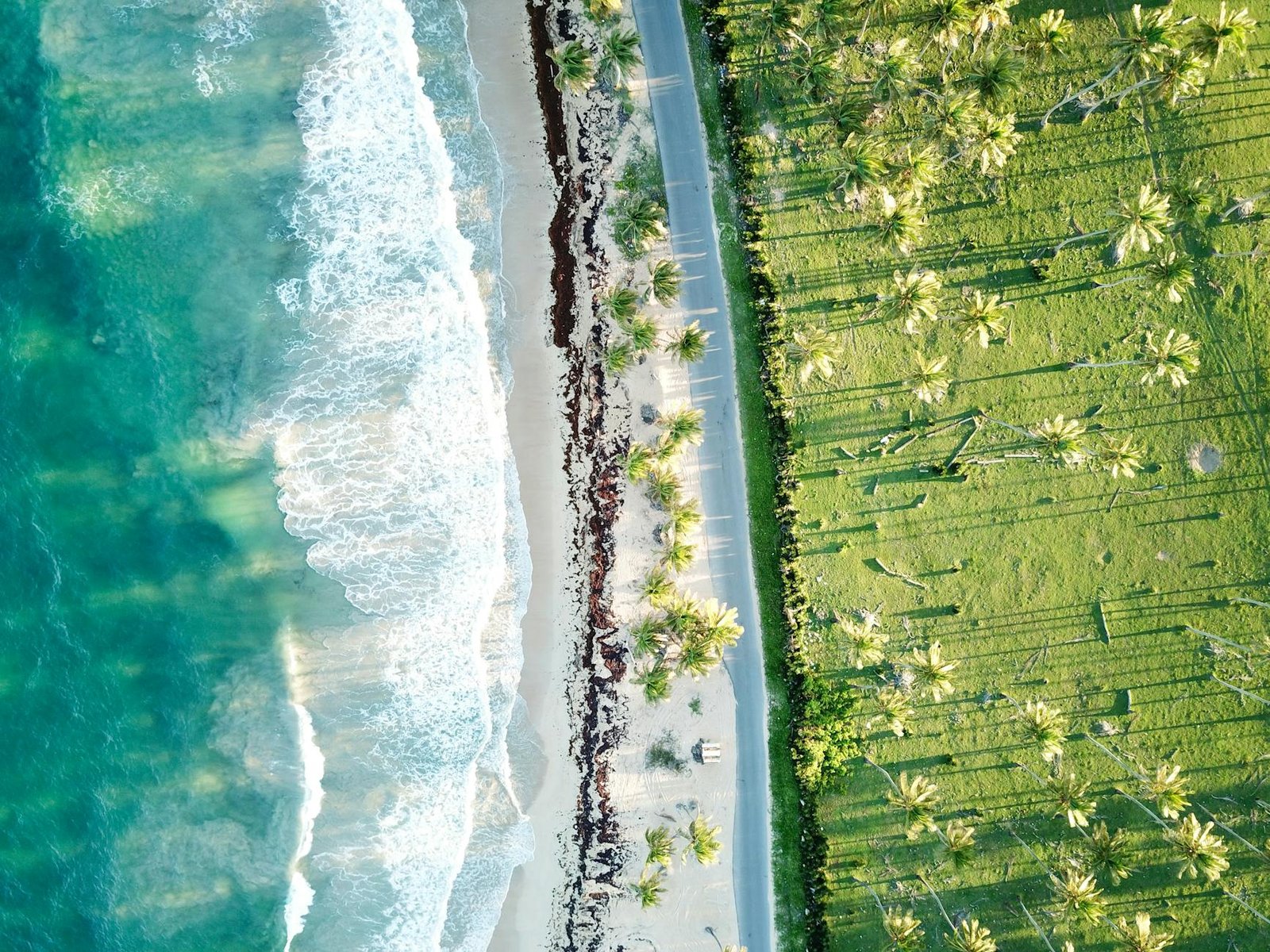
Santo Domingo is the oldest continuously inhabited European city in the Americas, and the moment you step ashore, that weight of history hits you like the Caribbean heat — immediate, enveloping, and impossible to ignore. But this isn’t a city frozen in colonial amber; it’s a living, breathing capital where merengue spills out of open doorways and the smell of slow-cooked stew drifts through cobblestone streets. For cruise passengers, it offers one of the most rewarding port days in the entire Caribbean.
Arriving by Ship
Cruise ships dock at the Sans Souci Port or the Don Diego Port, both located near the city centre. You won’t need to spend much time or money getting oriented — the famous Zona Colonial, the UNESCO-listed historic district, is within a short taxi ride or even walking distance depending on your berth. Port taxis are readily available dockside, and fares into the historic centre should cost around $5–10 USD. Agree on the price before you get in, as meters aren’t always used. The city is large and energetic, so having a plan for your day will help you make the most of your time in port.
Things to Do

The Zona Colonial is your anchor point. Start at the Parque Colón, a lively central plaza overlooked by the imposing Catedral Primada de América — the first cathedral built in the New World, completed in the 16th century. From there, wander along Calle Las Damas, the oldest paved street in the Americas, where you’ll find the Fortaleza Ozama, a brooding fortress that once guarded the mouth of the Ozama River.
If you want more context and narrative behind what you’re seeing, a guided city tour makes a real difference here — the layers of history can be tricky to piece together on your own. 🎟 Book: Santo Domingo City Tour with Pickup Included From Santo Domingo For something more intimate and off the typical tourist trail, exploring the authentic neighbourhoods beyond the colonial walls reveals a grittier, more local Santo Domingo — markets, murals, and everyday Dominican life unfiltered. 🎟 Book: Santo Domingo: The Authentic Dominican Neighbourhood Tour Adventurous travellers with a full day could even venture into the lush countryside to chase waterfalls. 🎟 Book: Hiking Tabernacle Thundering Waterfall in Dominican Republic
Local Food
Santo Domingo is where Dominican cuisine reveals its full, proud self, and you owe it to yourself to eat well here. The national dish is sancocho, a hearty stew of meat, root vegetables, and plantains that’s simmered for hours until it becomes something deeply comforting — rich, herby, and utterly satisfying. You’ll find it in local comedores (informal canteen-style eateries) throughout the city.
La bandera dominicana — “the Dominican flag” — is the everyday lunch plate: white rice, red beans, and meat, sometimes with fried sweet plantains (maduros) on the side. Don’t leave without trying tostones either, twice-fried green plantain slices that crunch like nothing else. If you want to go deeper than just eating and actually understand how these dishes are made, there’s a remarkable experience where you cook traditional Dominican recipes alongside a local grandmother in her own kitchen. 🎟 Book: Cook Traditional Dominican Cuisine with a Charming Grandmother in Santo Domingo It’s personal, delicious, and genuinely one of the most memorable things you can do in port.
For drinks, try morir soñando — a blend of orange juice and milk that sounds unlikely but tastes like a creamsicle dream — and mamajuana, a potent local rum infused with tree bark, herbs, and honey that Dominicans swear is medicinal.
Shopping

The Zona Colonial has no shortage of craft shops and artisan markets where you can find hand-rolled cigars (Dominican tobacco is world-class), larimar jewellery — a pale blue stone found only in the Dominican Republic and therefore the perfect unique souvenir — and amber, which the island has in abundance. The Mercado Modelo near the port area is a larger covered market buzzing with vendors selling everything from spices and rum to hand-painted art. Bargaining is expected and part of the fun. For higher-end larimar pieces and guaranteed authenticity, the specialist jewellery shops along El Conde pedestrian street are your best bet.
Practical Tips
The Dominican peso (DOP) is the local currency, but US dollars are widely accepted in tourist areas. ATMs are available in the Zona Colonial. Spanish is the language; a few phrases go a long way and are warmly appreciated. The heat can be intense, so carry water, wear sunscreen, and consider a hat. Santo Domingo is a real city rather than a resort town, so stay aware of your surroundings and keep valuables secure. Most importantly, check your ship’s all-aboard time carefully — the city has a way of absorbing hours without warning.
Santo Domingo rewards curious travellers who want more than a beach and a cocktail. Give it your full attention and it will give back something rare: the feeling that you’ve actually arrived somewhere real.
🎟️ Things to Book in Advance
These highly-rated experiences fill up fast — book before you arrive to avoid missing out.


This page contains affiliate links. If you book through them, we may earn a small commission at no extra cost to you.
📍 Getting to Santo Domingo Dominican Republic
Use the interactive map below to explore the port area and plan your route from the terminal.
Leave a Reply