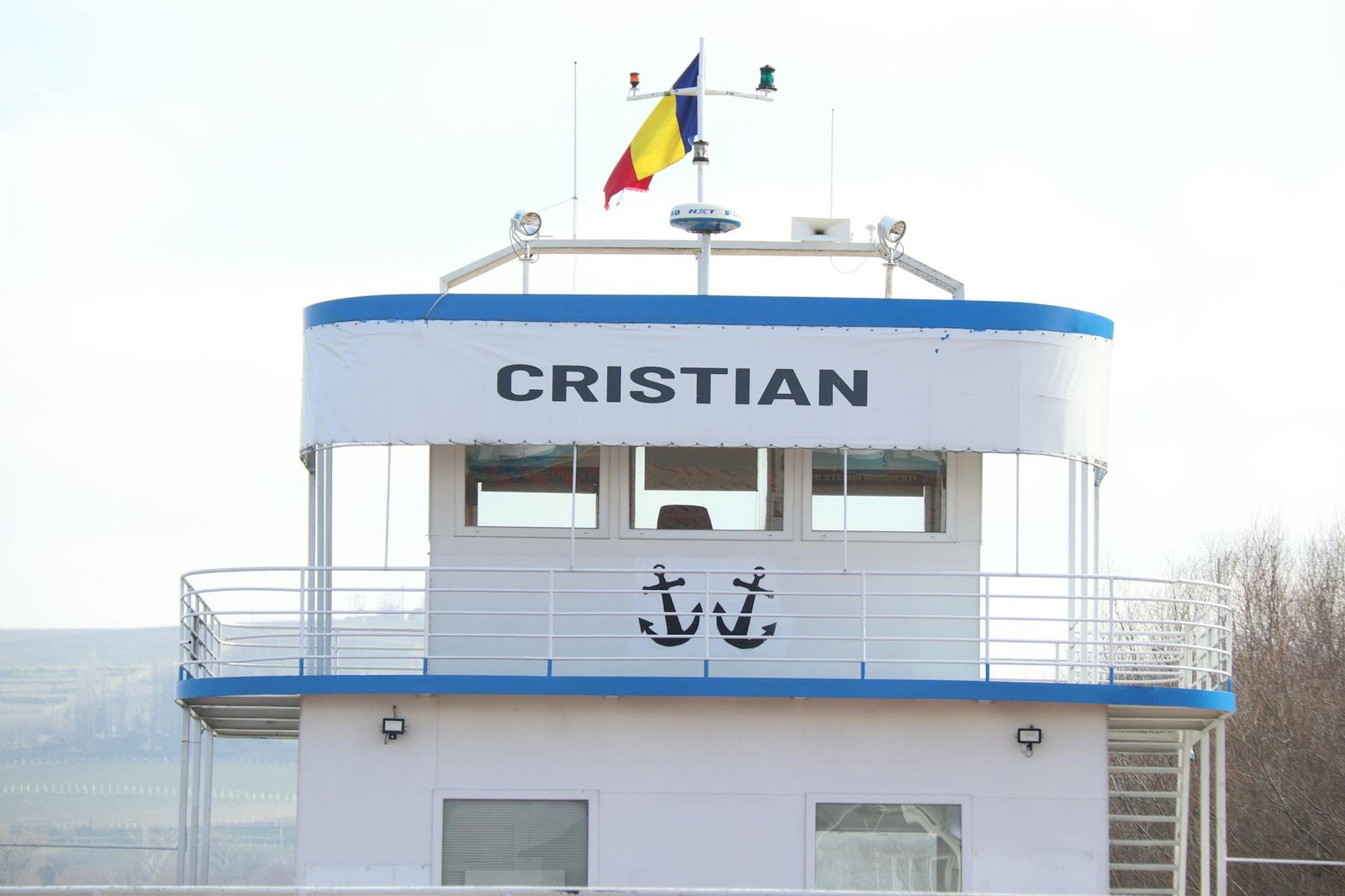
Fetești sits on the edge of one of Europe’s most dramatic waterways, straddling the point where the Danube divides into its vast delta system. It’s a raw, unhurried Romanian town where fishing boats still outnumber tourists and the pace of life feels genuinely unchanged. If you’re willing to look beyond the obvious, this is where the real Romania reveals itself.
Arriving by Ship
Fetești is a river cruise port, meaning your ship will dock directly along the Danube rather than requiring a tender. The town itself is within easy walking distance of the moorings, though the port infrastructure is modest — don’t expect gleaming terminals or organised shuttle buses.
The journey into the centre takes roughly 10–15 minutes on foot from the dock. If you’re planning to venture further afield toward Bucharest, private transfers are your most practical option. 🎟 Book: Private Driver to Fetesti from Bucharest
Things to Do

Fetești rewards slow exploration — this is not a place you rush through ticking boxes. Between the bridges, the wetlands, and the market squares, there’s more texture here than first impressions suggest.
History & Culture
- Fetești Railway Bridge (Podul Fetești): One of the longest bridges in Romania when completed in 1895, this iron engineering marvel was designed by Anghel Saligny — walk its approaches for a genuine sense of its scale.
- Ialomița County Village Museum: A short drive from town, this open-air museum displays traditional rural architecture, folk costumes, and farming tools typical of the Danube Plain — entry around 10–15 RON.
- Orthodox Church of the Assumption: The town’s most striking religious landmark, with vivid frescoes inside that locals are visibly proud of — free to enter, modest dress required.
Nature & the Danube
- Balta Ialomiței Wetlands: These protected floodplain lakes just south of Fetești attract herons, cormorants, and white-tailed eagles — bring binoculars and allow at least two hours to do it justice.
- Danube Riverbank Walk: Follow the embankment path at golden hour for views across the water to the opposite Bulgarian shore — completely free and genuinely atmospheric.
- Local Fishing Spots: Locals fish the Danube daily for carp and catfish; strike up conversation and you’ll often get pointed to the best spots or even offered a line — no formal booking needed.
Day Trips
- Bucharest Day Trip: Romania’s capital is approximately 130km away and well worth the journey for its Palace of Parliament, Old Town, and extraordinary food scene. A private guided transfer makes the logistics seamless. 🎟 Book: Fetesti to Bucharest – Fast Transportation
- Cernavodă Nuclear Power Plant Visitor Centre: Just 30km away, Romania’s only nuclear plant offers guided tours showcasing Soviet-era engineering — book in advance through their official website.
What to Eat
Romanian cuisine along the Danube leans heavily on freshwater fish, slow-cooked stews, and bread that tastes like it was baked that morning — because it probably was. Fetești’s restaurants are unpretentious and portions are generous for the price.
- Ciorbă de pește (fish soup): The local version uses fresh Danube carp with soured cream and plenty of paprika — find it at riverside restaurants for around 20–30 RON a bowl.
- Saramură de crap (grilled carp in brine): The definitive Danube dish, grilled over wood fire and served with polenta — look for it at family-run terrace restaurants near the waterfront, approximately 40–60 RON.
- Mămăligă cu brânză: Polenta layered with sharp Romanian sheep’s cheese and sour cream — a side dish that often upstages the main, typically 10–15 RON.
- Cozonac: A rich, sweet bread filled with walnuts and cocoa that appears in every bakery — buy a slice from the local piață (market) for under 5 RON.
- Romanian craft beer and local wine: Look for Fetească Neagră, a bold indigenous red grape variety produced in nearby Muntenia — bottles start around 25–35 RON in local shops.
Shopping

Fetești’s central market (piața) is your best bet for authentic, affordable souvenirs — hand-embroidered textiles, wooden spoons, and locally produced honey are all genuinely worth buying. Go on a weekday morning when stalls are fullest and prices are negotiable.
Avoid the generic souvenir shops near the dock; the mass-produced trinkets there bear little connection to local craft traditions. Instead, seek out the older women selling hand-knitted goods at the market — the quality is exceptional and the prices reflect honest labour, not tourist markup.
Practical Tips
- Currency: Romania uses the Romanian Leu (RON) — exchange money in town rather than on the ship for significantly better rates.
- Tipping: 10% is standard at restaurants; rounding up the bill is appreciated and entirely normal.
- Transport: Local taxis are cheap and reliable; agree on a price before you get in, or use the Bolt app which works well in the region.
- Safety: Fetești is generally safe for tourists — standard street-smarts apply, especially around the market.
- Best time ashore: Aim to disembark by 9am to catch the morning market before the heat peaks.
- How long you need: Three to four hours covers the town comfortably; budget a full day if you’re planning a Bucharest excursion. 🎟 Book: Bucharest to Fetesti – Fast Transportation
- Language: Basic English is spoken at restaurants and hotels; learning a few Romanian phrases earns you immediate goodwill.
Fetești won’t dazzle you with polished attractions — it’ll do something better, leaving you with the unhurried feeling that you’ve glimpsed Romania as it actually lives.
🎟️ Things to Book in Advance
These highly-rated experiences fill up fast — book before you arrive to avoid missing out.


This page contains affiliate links. If you book through them, we may earn a small commission at no extra cost to you.
📍 Getting to Fetesti, Romania
Use the interactive map below to explore the port area and plan your route from the terminal.
Leave a Reply