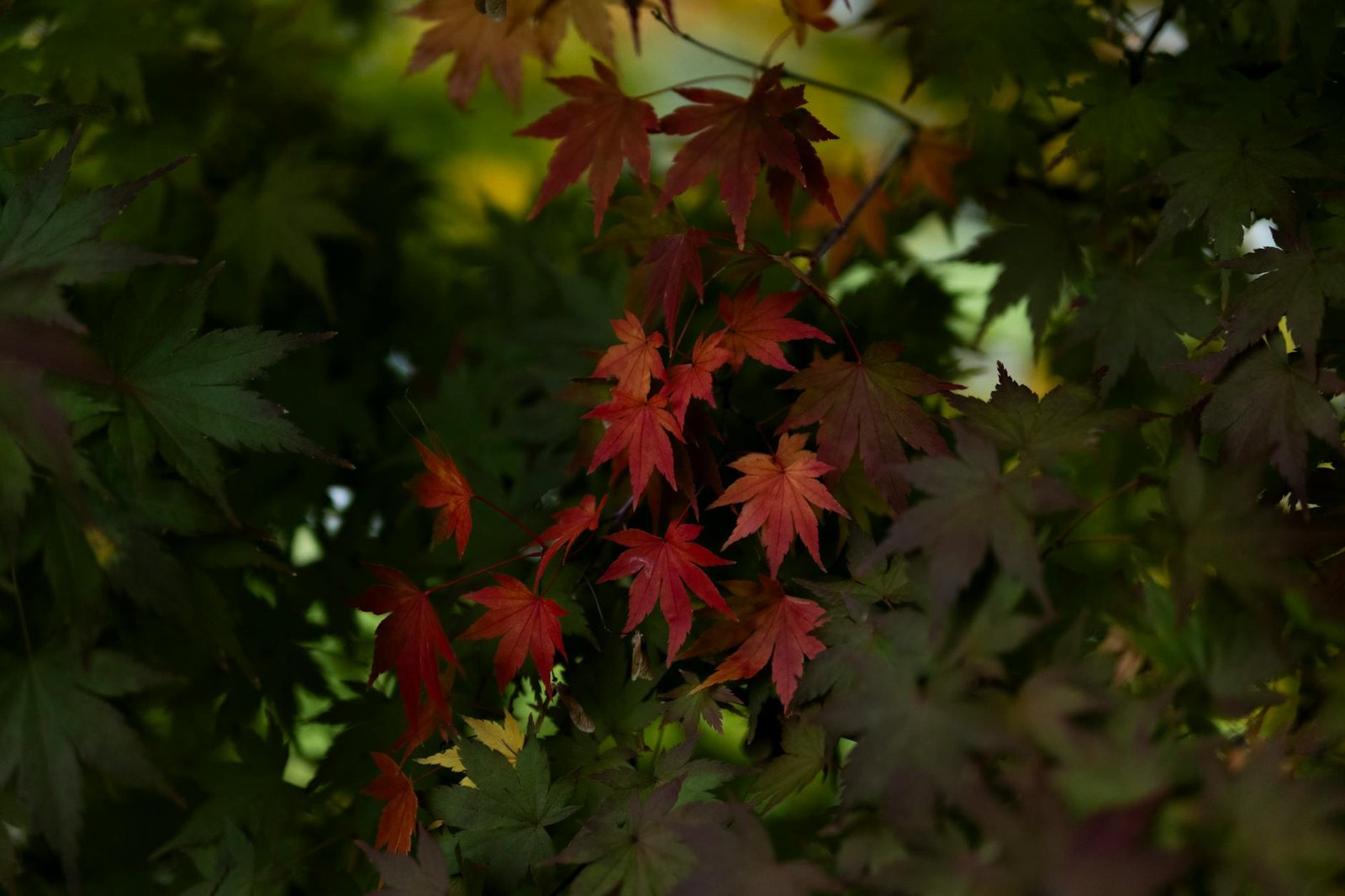
Barca d’Alva sits at the very tip of the navigable Douro, where Portugal meets Spain and the landscape turns dramatically rugged. This remote river village is the gateway to Castelo Rodrigo, a medieval hilltop fortress town that most tourists never find. Come prepared to be genuinely surprised.
Arriving by Ship
River cruise ships dock directly at Barca d’Alva’s small quay — no tendering required — making disembarkation quick and straightforward. The dock sits right at the village edge, and coaches typically wait here to whisk passengers up to Castelo Rodrigo, about 12 kilometres away.
The drive inland climbs steeply into the Riba-Côa plateau, rewarding you with sweeping views of the Douro International Natural Park before you even reach the village walls. Allow around 20 minutes by road, and note that taxis are scarce, so confirm your return transport before wandering off.
Things to Do

Castelo Rodrigo punches well above its weight for a village of fewer than 200 residents — medieval lanes, a ruined royal palace, and some of the best almond blossom scenery in Portugal all packed into one fortified hilltop.
History & Architecture
- Castelo Rodrigo Fortress Walls — Walk the full circuit of the medieval walls for panoramic views stretching into Spain; entry is free and takes around 30 minutes.
- Palácio dos Cristóvãos — The roofless shell of a 16th-century palace abandoned after locals burned it down to spite a traitorous nobleman; wander through free of charge and feel the drama.
- Igreja Matriz de Castelo Rodrigo — A sturdy 13th-century parish church sitting at the village centre; look up at the carved Manueline doorway before stepping inside.
- Douro International Natural Park viewpoints — Several miradors near Barca d’Alva offer jaw-dropping canyon views of the Douro gorge; the Penha Garcia viewpoint is particularly striking.
Active Experiences
- Almond blossom walks (February–March) — The terraced hillsides explode in white and pink bloom; local guides offer 2-hour walking tours for around €15 per person.
- Birdwatching along the Douro — Egyptian vultures, black storks, and Bonelli’s eagles are regularly spotted; bring binoculars and follow the riverside path north from the dock.
- Cycling the Rota do Contrabando — This cross-border trail traces old smugglers’ routes between Portugal and Spain; bike hire is available in nearby Figueira de Castelo Rodrigo for around €12 per day.
Day Trips
- Figueira de Castelo Rodrigo town — The modern hub 10 km away has a lively market square, the Domus Municipalis ruins nearby, and excellent coffee stops. If your cruise itinerary allows extra range, a full-day private tour into Portugal’s medieval castle heartland is well worth considering 🎟 Book: Full-Day Private Tomar, Knights Templar and Castles Tour.
- Almeida Fortified Town — 35 km south, this extraordinary star-shaped fortress town is one of Europe’s best-preserved; guided day trips covering the region’s Templar heritage pair it beautifully with other stops 🎟 Book: Templar Knights: Tomar and Almourol Castles Full Day Private Tour.
What to Eat
Food in this corner of Portugal is earthy, generous, and almost aggressively local — expect roasted kid, cured meats, and anything involving almonds in every form imaginable.
- Cabrito assado (roast kid goat) — The regional signature dish, slow-roasted with garlic and olive oil; try it at Restaurante O Douro in Barca d’Alva for around €12–15 per portion.
- Amêndoa doce (sweet almond pastries) — Made from the hillside almonds this region is famous for; pick up a box from village bakeries in Castelo Rodrigo for €4–6.
- Queijo da Beira Baixa — A semi-cured sheep’s milk cheese with a sharp, nutty edge; available at local delis for €5–8 per wheel.
- Chanfana — Slow-cooked goat in red wine, a Portuguese mountain classic; found at most rural restaurants in the region for €10–14.
- Vinho Verde and Douro reds — The region sits near two of Portugal’s great wine appellations; a glass of local Douro red with lunch rarely costs more than €2–3.
Shopping

Castelo Rodrigo’s village has a handful of small craft shops selling almond products, local honey, and handwoven textiles — genuinely worth browsing and very fairly priced. Skip the generic ceramic roosters (Barcelos cockerels have no real connection to this region) and focus on edible souvenirs instead.
Look out for bags of raw almonds, artisan almond liqueur (licor de amêndoa amarga), and small jars of local chestnut honey. These make lightweight, authentic gifts that you simply won’t find in Lisbon airport.
Practical Tips
- Currency — Portugal uses the euro; carry small notes as village shops rarely handle large bills easily.
- Tipping — Rounding up the bill is appreciated; 10% is generous and always welcome.
- Transport — Confirm coach or taxi arrangements with your cruise line before leaving the ship, as Barca d’Alva village itself has almost no independent transport options.
- Best time ashore — Disembark early; Castelo Rodrigo is tiny and cruise groups can crowd the lanes by mid-morning.
- Time needed — Allow at least 3 hours to do Castelo Rodrigo justice, plus travel time from the dock.
- Dress code — Wear sturdy shoes; the village cobblestones are uneven and the fortress walls involve rough stone steps.
- Almond blossom season — If you’re sailing in late February or early March, this is one of the most beautiful landscapes in all of Iberia — don’t miss a walk through the terraces.
Go ashore here with an open mind and a good appetite, and Barca d’Alva will hand you one of the most quietly unforgettable days of your entire cruise.
🎟️ Things to Book in Advance
These highly-rated experiences fill up fast — book before you arrive to avoid missing out.


This page contains affiliate links. If you book through them, we may earn a small commission at no extra cost to you.
📍 Getting to Barca d'Alva, Portugal, Castelo Rodrigo
Use the interactive map below to explore the port area and plan your route from the terminal.
Leave a Reply