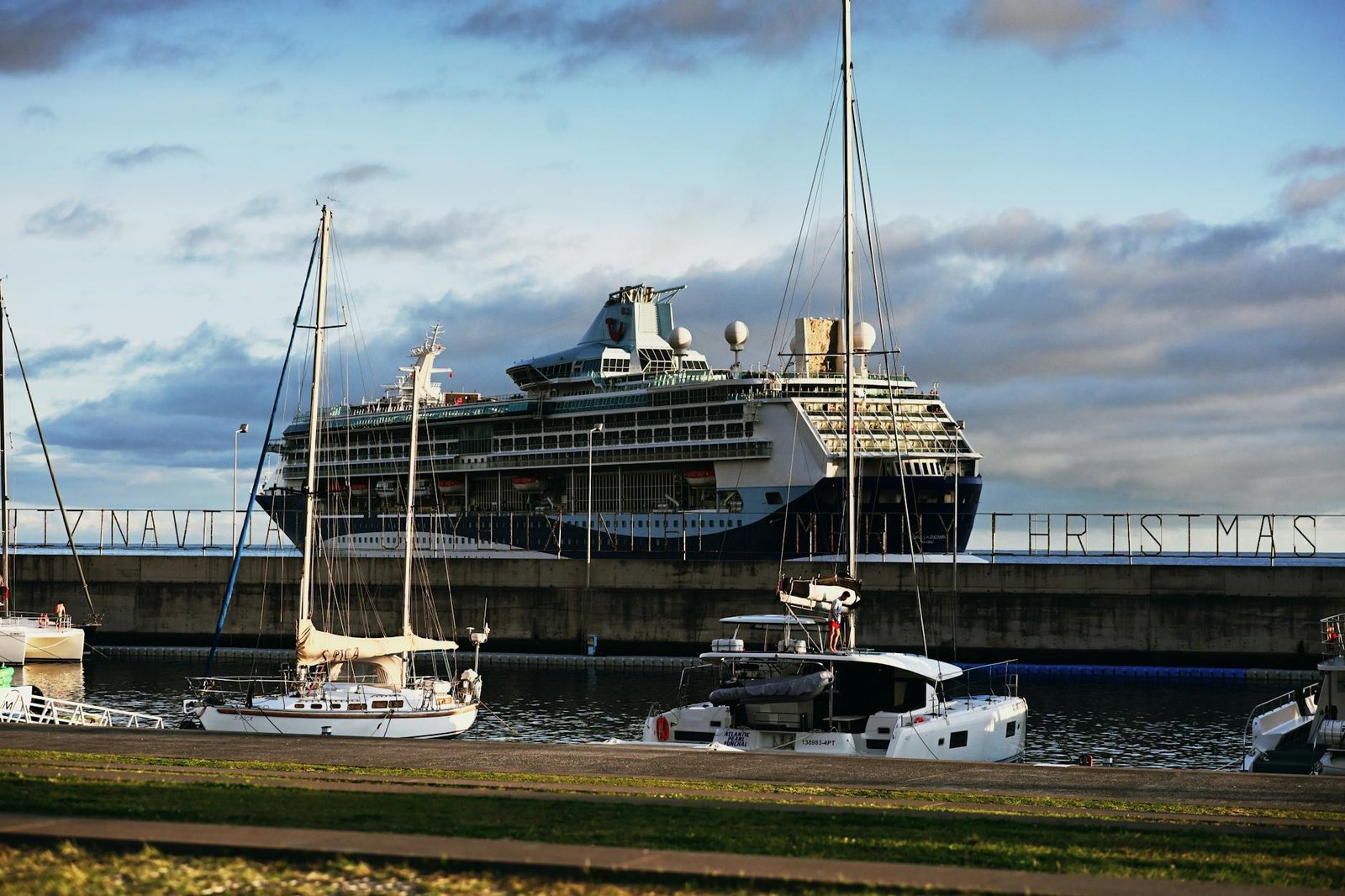
Folgosa is a tiny riverside village punched deep into the heart of Portugal’s Douro Valley — one of the world’s oldest wine regions and arguably its most dramatic. Terraced vineyards tumble down steep schist hillsides to the river’s edge, and the light here in the afternoon turns everything gold. If your cruise ship has brought you this far inland, you are somewhere genuinely extraordinary.
Arriving by Ship
Folgosa sits along the Douro River and is served as a river cruise stop rather than an ocean port — most guests arrive aboard small river cruise vessels that dock directly alongside the village quay. The moorings are intimate, often just steps from the main road, so you won’t waste precious time on transfers or tender boats.
The village itself is tiny and walkable in minutes, but the real draw lies in the surrounding wine estates, hillside viewpoints, and neighbouring towns. Having a plan before you step off the gangway will make your hours ashore count.
Things to Do

Folgosa rewards slow exploration — wander the riverbank, breathe the terraced air, and then venture deeper into the valley. Between the wineries, viewpoints, and river itself, a full day disappears effortlessly.
Wine & Culture
- Visit Quinta do Crasto — one of the Douro’s most celebrated estates, just a short drive from Folgosa, offering tastings from around €15 per person with views that justify the trip alone.
- Tour Quinta da Roêda (Croft) — a historic Port wine estate open to visitors with guided cellar tours; tastings pair aged Tawnies with river panoramas.
- Book a private winery tour — a guided experience covering three local quintas gives you depth and transport without the logistics headache. 🎟 Book: Private Douro Valley Tour Including 3 Wineries
- Explore the Douro by water — combine a boutique winery visit with a short river cruise to see the terraced valley from its most flattering angle. 🎟 Book: Private Douro Valley Tour: Boutique Winery & River Cruise
Views & Villages
- Hike to the miradouros above Folgosa — marked trails lead up through vineyards to ridge-top viewpoints; reach them in 30–45 minutes on foot and expect jaw-dropping panoramas.
- Visit Pinhão village — just a few kilometres away, this essential Douro stop has a train station covered in azulejo tile panels depicting harvest life; free to admire from the platform.
- Browse the Pinhão waterfront — a short walk along the quay passes wine lodges, old stone warehouses, and local cafés where you can sit and watch the river traffic.
- Drive the N222 scenic road — rated one of the world’s great driving routes, this ribbon of tarmac snakes through vineyards between Régua and Pinhão; best appreciated with a private guide. 🎟 Book: Douro Valley Private Wine and Food Tour From Porto
What to Eat
The Douro Valley feeds you well — honest, rural Portuguese cooking built around the river, the land, and centuries of agricultural tradition. Don’t skip a long lunch; this is a region that takes its table seriously.
- Bacalhau à Brás (salted cod with eggs and potatoes) — a Portuguese staple available at most river-town restaurants; expect €10–14 at local tascas in Pinhão.
- Cabrito assado (roast kid goat) — a regional favourite slow-roasted with garlic and olive oil; order it at Restaurante Rabelo in Pinhão for around €14–16.
- Alheira sausage — a smoky, bread-based sausage from nearby Trás-os-Montes, often served grilled with a fried egg; found at village snack bars for €6–8.
- Douro olive oil — the valley produces extraordinary olive oil; drizzle it over fresh bread at any café and you’ll understand the fuss immediately.
- Local Douro DOC wines — ask for a glass of house red at any quinta or village restaurant; expect to pay €3–5 a glass for wines that would cost triple elsewhere.
- Pastel de nata — Portugal’s iconic custard tart is available everywhere; grab one warm from a padaria (bakery) in Pinhão for under €1.50.
Shopping

Folgosa village itself has minimal retail, but the surrounding area offers some genuinely worthwhile purchases. Wine is the obvious answer — buying directly from a quinta often gets you estate bottles unavailable in export markets, priced from €8–25 for excellent everyday Douro reds.
Pinhão has a handful of small shops selling regional ceramics, hand-embroidered linens, and artisan jams made from local fruit. Avoid mass-produced azulejo fridge magnets — they’re made in China, not Portugal.
Practical Tips
- Currency — Portugal uses the euro; carry small notes for cafés and market stalls as card machines aren’t universal in rural areas.
- Tipping — rounding up the bill or leaving 5–10% is appreciated but not obligatory in local restaurants.
- Transport — the village is small, but exploring the valley requires a taxi, rental car, or organised tour; agree prices with taxi drivers before you depart.
- Go ashore early — morning light on the terraced vineyards is spectacular, and popular quintas fill up by midday in summer.
- Dress practically — hillside vineyard paths are uneven; wear closed shoes, not sandals, if you plan to walk.
- Time needed — allow at least five hours to do the valley justice; a full day is better.
- Weather — summers are hot and dry (often 35°C+); carry water, sunscreen, and a hat without fail.
Pack your curiosity, leave room in your luggage for a few bottles, and let the Douro Valley completely rearrange your expectations of what a cruise port can be.
🎟️ Things to Book in Advance
These highly-rated experiences fill up fast — book before you arrive to avoid missing out.


This page contains affiliate links. If you book through them, we may earn a small commission at no extra cost to you.
📍 Getting to Folgosa, Portugal
Use the interactive map below to explore the port area and plan your route from the terminal.
Leave a Reply