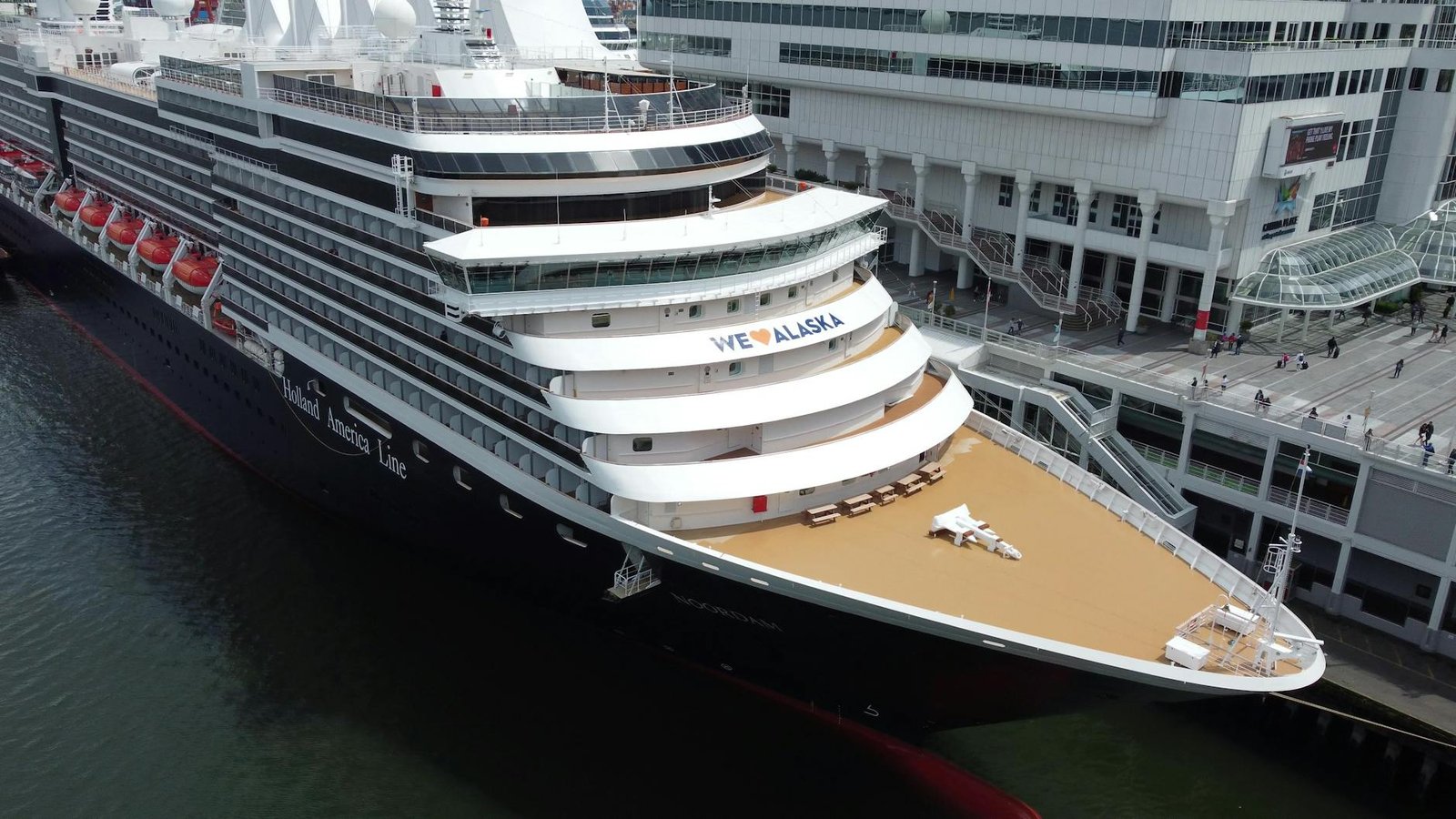
Perched at the northernmost tip of Sumatra, Pulau Weh is one of those rare destinations that feels genuinely undiscovered — a volcanic island wrapped in rainforest, fringed by coral reefs so vivid they seem almost artificial. Arriving here by ship, with the green hills rising sharply from turquoise water and almost no tourist infrastructure in sight, you get the distinct sense you’ve stumbled onto something most travellers never find. This is Indonesia at its most raw and rewarding.
Arriving by Ship
Your vessel will anchor or berth at Sabang, Pulau Weh’s main port town and one of Indonesia’s few duty-free zones. The approach alone is worth savouring — you’ll glide past dramatic headlands, small fishing boats, and the occasional glimpse of coral visible through the shallow coastal water. The port is modest but functional, and local transport is easy to arrange right at the dock. Bemos (shared minivans), motorbike taxis, and private car rentals are all available, and the island is small enough — roughly 156 square kilometres — that getting around is never a complicated affair. The laid-back atmosphere starts the moment you step ashore; there are no touts aggressively competing for your attention, just a quiet, welcoming island going about its day.
Things to Do

Pulau Weh’s greatest claim to fame is its diving and snorkelling, and the reputation is entirely deserved. Iboih Beach, on the island’s western coast, is the hub of underwater activity, with several dive operators offering access to sites teeming with reef sharks, sea turtles, barracuda, and extraordinary coral formations. The wreck of a Japanese World War II vessel sits in relatively shallow water and is accessible even for novice divers.
On land, the interior rainforest rewards those willing to explore. Hiking to the Sabang Zero Kilometre Monument — marking the westernmost point of the old Trans-Sumatra Highway — gives you sweeping ocean views and a satisfying sense of geographical significance. Kasih Beach and Sumur Tiga Beach offer quieter stretches of sand if you simply want to swim and decompress. For wildlife lovers, the island’s forest trails occasionally deliver sightings of endemic Weh Island flying squirrels and various bird species found nowhere else on Earth.
While Pulau Weh is its own distinct destination, many cruise itineraries in this region also incorporate Bali, where you can pack in an enormous amount in a single day. 🎟 Book: Bali BEST Things to Do Private Full-day Tour from Your Hotel For those with a specific interest in Bali’s iconic spiritual landscapes, a private tour to the Lempuyang Gate of Heaven is an unforgettable addition to your voyage. 🎟 Book: Lempuyang Gate of Heaven Private Tour – All Inclusive
Local Food
Sabang’s food scene is small but genuinely satisfying. Acehnese cuisine — the culinary tradition of the surrounding Aceh province — is one of Indonesia’s most distinctive, heavily influenced by Indian and Arab traders and featuring generous use of spices like cardamom, star anise, and turmeric. Look for mie Aceh, a thick, spiced noodle dish served with prawns or crab, available at simple warungs (local eateries) throughout town. Martabak, a stuffed fried pancake filled with egg, minced meat, and spring onion, is a popular street snack you’ll find in the evening market. Fresh seafood is predictably excellent here — grilled fish bought straight from a morning market stall, eaten with rice and sambal, is one of the island’s genuine pleasures. Coffee culture runs deep in Aceh, and the local kopi Aceh — strong, sometimes spiced, and often served with condensed milk — is something you should drink at least twice during your visit.
Shopping

Pulau Weh isn’t a shopping destination in any commercial sense, which is actually part of its charm. Sabang’s duty-free status means alcohol, electronics, and imported goods are sold more cheaply here than almost anywhere else in Indonesia, which surprises many visitors. Beyond duty-free basics, look for locally produced Acehnese handicrafts including songket textiles (hand-woven fabric with metallic thread), traditional rencong daggers as decorative souvenirs, and aromatic coffee beans from the Gayo highlands of mainland Aceh. Small souvenir shops near the port sell batik sarongs and hand-carved items. Don’t expect air-conditioned malls — this is market browsing and roadside shop territory, which suits the island’s character perfectly.
Practical Tips
The local currency is the Indonesian Rupiah, and while ATMs exist in Sabang, bringing sufficient cash from your ship is sensible. The island is officially part of Aceh province, which operates under a degree of Islamic law — dress modestly when away from the beach. The best snorkelling and diving conditions run from roughly April through November, when visibility is at its clearest. English is spoken at dive operators and some guesthouses but less reliably elsewhere, so a few words of Bahasa Indonesia go a long way. Sun protection is non-negotiable in this equatorial heat.
Cruises That Visit Pulau Weh, Indonesia
Pulau Weh appears on the itineraries of expedition and boutique cruise lines more often than mass-market operators, reflecting its off-the-beaten-path appeal. Silversea Cruises and Ponant have both included Pulau Weh as a port of call on their Southeast Asia and Indian Ocean voyages, particularly on longer expedition-style sailings that prioritise lesser-visited destinations over well-trodden ports. These voyages frequently depart from Singapore or Colombo, Sri Lanka, and range from 14 to 28 days in length, often combining Pulau Weh with ports in Malaysia, Myanmar, and the Andaman Islands.
Regent Seven Seas and Seabourn occasionally feature Pulau Weh on their extended Asia itineraries, typically as part of grand voyage programmes circumnavigating the Indian Ocean or connecting Australia with Europe. These sailings can run anywhere from 30 to 60 days and are aimed at travellers with both the time and the appetite for genuine discovery. Embarkation ports for these longer voyages include Sydney, Dubai, and Singapore.
The dry season — roughly April through October — is broadly considered the best time to cruise to Pulau Weh, with calmer seas in the Strait of Malacca and the Andaman Sea making for more comfortable passage and better underwater visibility. November through February brings the northeast monsoon, which can cause rough conditions, though hardier expedition vessels operate year-round.
For travellers who want to combine Pulau Weh with broader Indonesian exploration, some regional cruise programmes loop through Sumatra and Bali in the same itinerary. Island-hopping snorkelling excursions around the lesser-visited Gili Islands and Nusa Penida are popular add-ons for those with a Bali port day. 🎟 Book: Pink Beach & Southeast Gili Islands Snorkeling Tour
🚢 Cruises That Stop at Pulau We Indonesia
Ready to book a cruise to Pulau We Indonesia?
Compare itineraries, prices, and cabin types from all the major cruise lines — with a best price guarantee and no booking fees.
🔍 Search Cruises to Pulau We Indonesia →
Affiliate link — we may earn a commission if you book, at no extra cost to you.
Pulau Weh rewards the curious traveller in ways that more famous ports simply cannot — with silence, space, extraordinary marine life, and the particular pleasure of feeling like you’ve gone somewhere genuinely few people bother to go. If your cruise itinerary brings you here, even for a single day, make every hour count.
🎟️ Things to Book in Advance
These highly-rated experiences fill up fast — book before you arrive to avoid missing out.


This page contains affiliate links. If you book through them, we may earn a small commission at no extra cost to you.
📍 Getting to Pulau We Indonesia
Use the interactive map below to explore the port area and plan your route from the terminal.
Leave a Reply