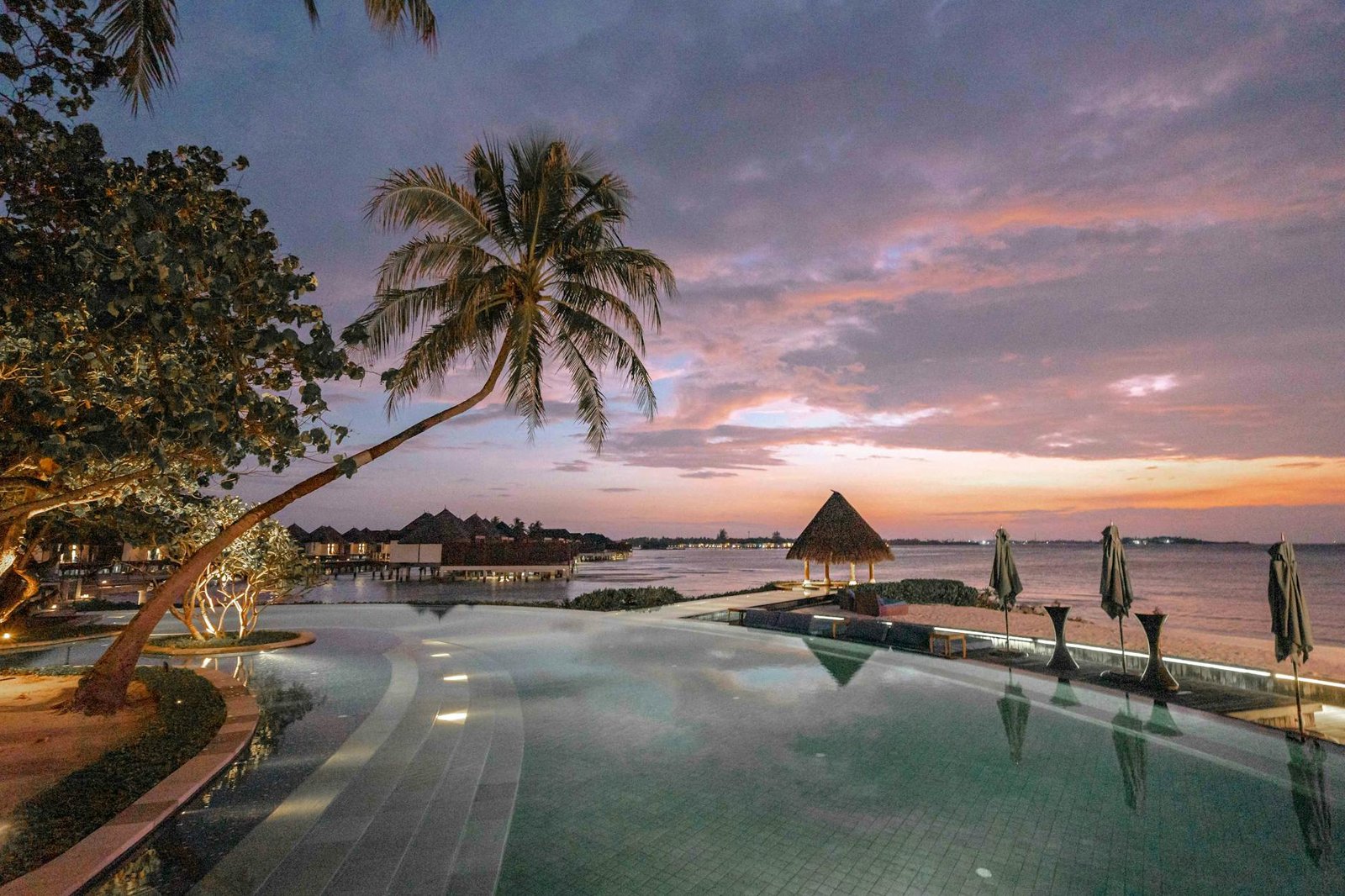
Aitutaki is the kind of place that makes you question why you ever lived anywhere else. A tiny coral atoll in the southern Cook Islands, it cradles one of the most breathtaking lagoons on the planet — a shimmering expanse of electric turquoise so vivid it looks digitally enhanced. Arriving here by cruise ship feels less like docking and more like being gently delivered into a dream.
Arriving by Ship
Aitutaki doesn’t have a deep-water port capable of receiving large cruise vessels, so your ship will anchor offshore and tender you in to the small wharf near Arutanga, the island’s only town. It’s a short, unhurried ride across water so clear you can watch fish darting below the tender’s hull. The approach reveals a low-slung island draped in coconut palms, ringed by a lagoon that seems to hold every shade of blue and green simultaneously. Immigration formalities are relaxed and quick — the Cook Islands have perfected the art of welcoming visitors without fuss. From the wharf, the town is immediately walkable, and the island’s compact size means almost everything is within easy reach by bicycle, scooter, or local taxi.
Things to Do

The lagoon is the headline act, and frankly it deserves every superlative thrown at it. Snorkelling here is extraordinary — giant clams, coral gardens, and schools of parrotfish inhabit the shallows around the reef motus (tiny islets) scattered across the lagoon. A full-day lagoon cruise takes you island-hopping between these motus, stopping at One Foot Island — arguably the most photographed beach in the Pacific — where you can get your passport stamped at the world’s most remote post office. For an exclusive experience, booking a private charter lets you choose your own pace and stops without sharing the moment with a crowd. 🎟 Book: Private Shore Tour: Aitutaki Lagoon Full-Day Island Cruise If you prefer a more tailored adventure with a private vessel entirely to your command, a dedicated charter is equally spectacular. 🎟 Book: Private Shore Tour: Aitutaki Lagoon Full-Day Charter
Beyond the water, Aitutaki rewards slow exploration. Rent a bicycle and circumnavigate the main island along the coastal road — it takes roughly two hours at a leisurely pace and reveals quiet villages, flower-draped churches, and views across the reef. The CICC (Cook Islands Christian Church) in Arutanga, built in 1828, is one of the oldest buildings in the Pacific and worth a respectful look inside.
Local Food
Aitutaki’s food scene is modest but deeply satisfying, rooted in the same earth and ocean that define the island’s landscape. Ika mata — raw fish marinated in fresh lime juice and coconut cream — is the dish you absolutely must try, and it tastes better here than anywhere else on the planet. Look for it at local lunch spots near the harbour or at the small restaurants dotted along the main road. Rukau (taro leaves cooked in coconut cream) is another island staple worth ordering alongside grilled reef fish. Fresh fruit is spectacular: papaya, banana, and breadfruit are grown locally and taste nothing like the imported versions you’re used to. If you’re ashore on a Sunday, note that most businesses close for the Sabbath — the island takes its rest day seriously.
Shopping

Shopping in Aitutaki is an intimate, unhurried affair rather than a commercial exercise. The island’s artisans produce beautiful tivaevae — intricate hand-sewn patchwork quilts that represent one of the Cook Islands’ most treasured art forms. These take months to create and are genuinely meaningful purchases. Look for hand-woven pandanus baskets and hats, coral jewellery, and locally designed pareo (sarongs) in the small craft markets near the wharf and in Arutanga’s handful of gift shops. Black pearls from the Cook Islands are another worthwhile souvenir — higher quality than many visitors expect and reasonably priced compared to French Polynesia. Prices are generally fixed rather than negotiable, reflecting the island’s relaxed, non-pushy culture.
Practical Tips
Tender schedules move with the tides here, so check your ship’s daily programme carefully and allow extra time to return to the wharf — queues can build quickly before the last tender. The Cook Islands dollar is pegged to the New Zealand dollar, and NZD is widely accepted; carry some cash as card machines can be unreliable. Sun protection is non-negotiable: the equatorial light is fierce even on overcast days, so pack reef-safe sunscreen, a hat, and a rash vest if you’re planning time in the water. Water shoes are useful for walking across coral. Mobile coverage is limited but Wi-Fi is available at some cafés if you feel the urge to check in — though honestly, Aitutaki is best experienced entirely offline.
Aitutaki has a rare quality: it stays with you long after your tender has returned to the ship. The colour of that lagoon becomes a reference point, a standard against which every blue water you encounter afterwards is quietly measured and found slightly wanting.
🎟️ Things to Book in Advance
These highly-rated experiences fill up fast — book before you arrive to avoid missing out.


This page contains affiliate links. If you book through them, we may earn a small commission at no extra cost to you.
📍 Getting to Aitutaki Cook Islands
Use the interactive map below to explore the port area and plan your route from the terminal.
Leave a Reply