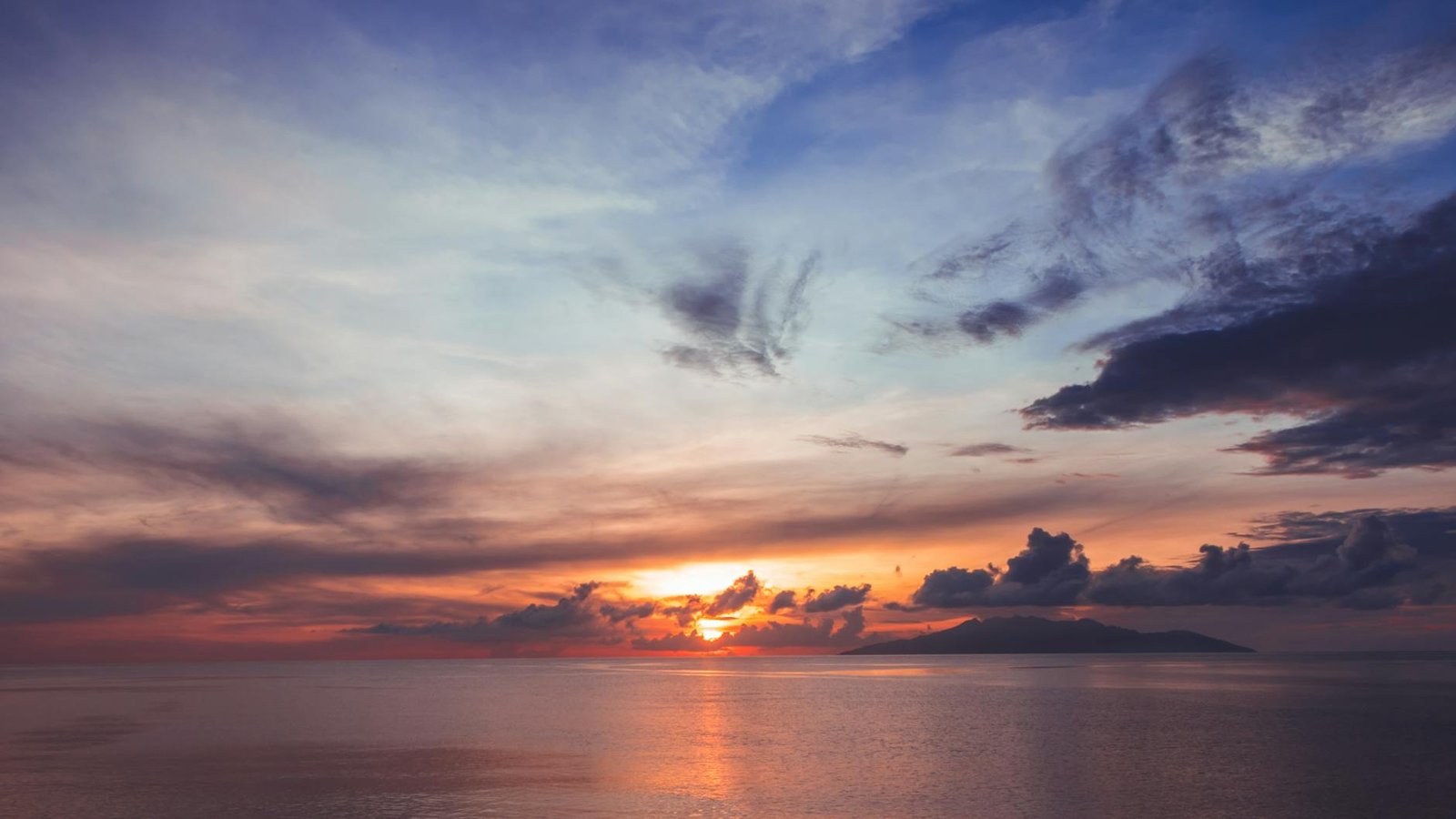
Pulling into Madang harbour is one of those rare arrivals that makes you catch your breath — vivid green islands scattered across glittering water, a skyline of coconut palms, and the warm, salt-laced air of the Bismarck Sea wrapping around you before you’ve even stepped ashore. This small Papua New Guinean port town has earned a quiet reputation as one of the most beautiful harbour towns in the Pacific, and the moment your ship drops anchor, you’ll understand exactly why. Madang is raw, real, and utterly unforgettable.
Arriving by Ship
Cruise ships anchor in Madang’s sheltered harbour, and you’ll typically be tendered ashore to the main wharf area, a process that’s smooth and well-organised. The town itself is compact and easily walkable from the dock — you’ll notice almost immediately the extraordinary clarity of the water around you, so transparent that coral heads and tropical fish are visible from the pier without a snorkel. Local vendors and guides often gather near the landing to greet arrivals, and while the welcome can feel enthusiastic, it’s genuine. Unlike more heavily touristed ports, Madang hasn’t been polished into a theme-park version of itself. The streets are alive, the colours are vivid, and the people are genuinely curious about visitors as much as you are about them.
Things to Do

Madang rewards those who lean into its natural and cultural richness rather than expecting a resort-style experience. The town sits on a peninsula fringed with lagoons, reefs, and islands, making water-based exploration irresistible. If you have snorkelling gear, the waters around Kranket Island — a short boat ride from the wharf — offer some of the most accessible coral reef diving you’ll find anywhere in the Pacific.
On land, the Madang Museum is a quiet but compelling introduction to Papua New Guinea’s complex cultural tapestry, displaying traditional artefacts, masks, and war-era relics. The nearby Coastwatcher’s Memorial Lookout offers sweeping views across the harbour and is a moving tribute to those who served here during World War II, when Madang was heavily bombed by Allied forces during Japanese occupation. For something truly immersive, a cultural village experience takes you into everyday local life, where traditional ceremonies, singsings (song and dance performances), and community hospitality offer a connection that no museum exhibit can replicate. 🎟 Book: Cultural and Local Village Experience in Papua New Guinea
Local Food
Eating in Madang is an exercise in honest, unfussy cooking built on tropical abundance. The staple diet revolves around fresh fish, taro, sweet potato, sago, and coconut — ingredients that appear in different forms at almost every meal. Look out for mumu, a traditional cooking method where pork, vegetables, and root crops are slow-cooked together in an earth oven layered with hot stones; the result is smoky, tender, and deeply satisfying.
The Madang market, not far from the waterfront, is the best place to taste the local food scene firsthand. Stalls sell roasted corn, green coconuts sliced open for drinking, and deep-fried dough known as scones — a legacy of missionary influence that has become thoroughly Papua New Guinean. Fresh fruit is exceptional here: pawpaw, pineapple, and snake beans that taste like they were picked an hour ago, because they probably were. Street food vendors near the market will often grill fresh fish simply over charcoal, served with cassava — try it.
Shopping

Madang’s market and the cluster of stalls near the wharf are the heartbeat of local commerce, and the craftsmanship on display is striking. Papua New Guinea has one of the world’s most diverse artistic traditions, and Madang’s woodcarvers, weavers, and mask-makers reflect that heritage vividly. Look for intricately carved wooden bowls and story boards, bilum bags — brightly woven string bags that are the unofficial icon of PNG womanhood — and jewellery made from shells and seeds.
Bargaining is acceptable and expected, but approach it with warmth rather than aggression. Prices are generally already reasonable, and the artists are selling genuine handmade work, not mass-produced souvenirs. A quality bilum bag or carved mask from Madang is the kind of travel purchase that earns a permanent place on your wall at home.
Practical Tips
Madang operates on Papua New Guinea kina (PGK), and while some vendors near the port may accept Australian dollars, having local currency is strongly advised — the market and smaller stalls are cash only. The ATM situation in town can be unreliable, so it’s worth arriving with kina already exchanged. Tap water is not safe to drink; carry a sealed bottle from the ship.
Madang is generally considered one of the safer towns in Papua New Guinea, but standard port-city precautions apply: keep valuables on the ship, travel in groups if exploring independently, and engage a local guide wherever possible. The heat and humidity can be intense by mid-morning, so wear lightweight clothing, sunscreen, and a hat. Your ship will have a tender schedule — stick to it carefully, as missing the last tender is a situation no one wants to navigate in a remote Pacific port. For a structured and safe cultural excursion that maximises limited time ashore, a guided village experience is the smartest investment you can make with your port hours. 🎟 Book: Cultural and Local Village Experience in Papua New Guinea
Madang doesn’t perform for visitors — it simply exists, vivid and unapologetic, and that authenticity is precisely what makes a day here linger in your memory long after the ship has sailed back out through those scattered green islands.
🎟️ Things to Book in Advance
These highly-rated experiences fill up fast — book before you arrive to avoid missing out.


This page contains affiliate links. If you book through them, we may earn a small commission at no extra cost to you.
📍 Getting to Madang Papua New Guinea
Use the interactive map below to explore the port area and plan your route from the terminal.
Leave a Reply