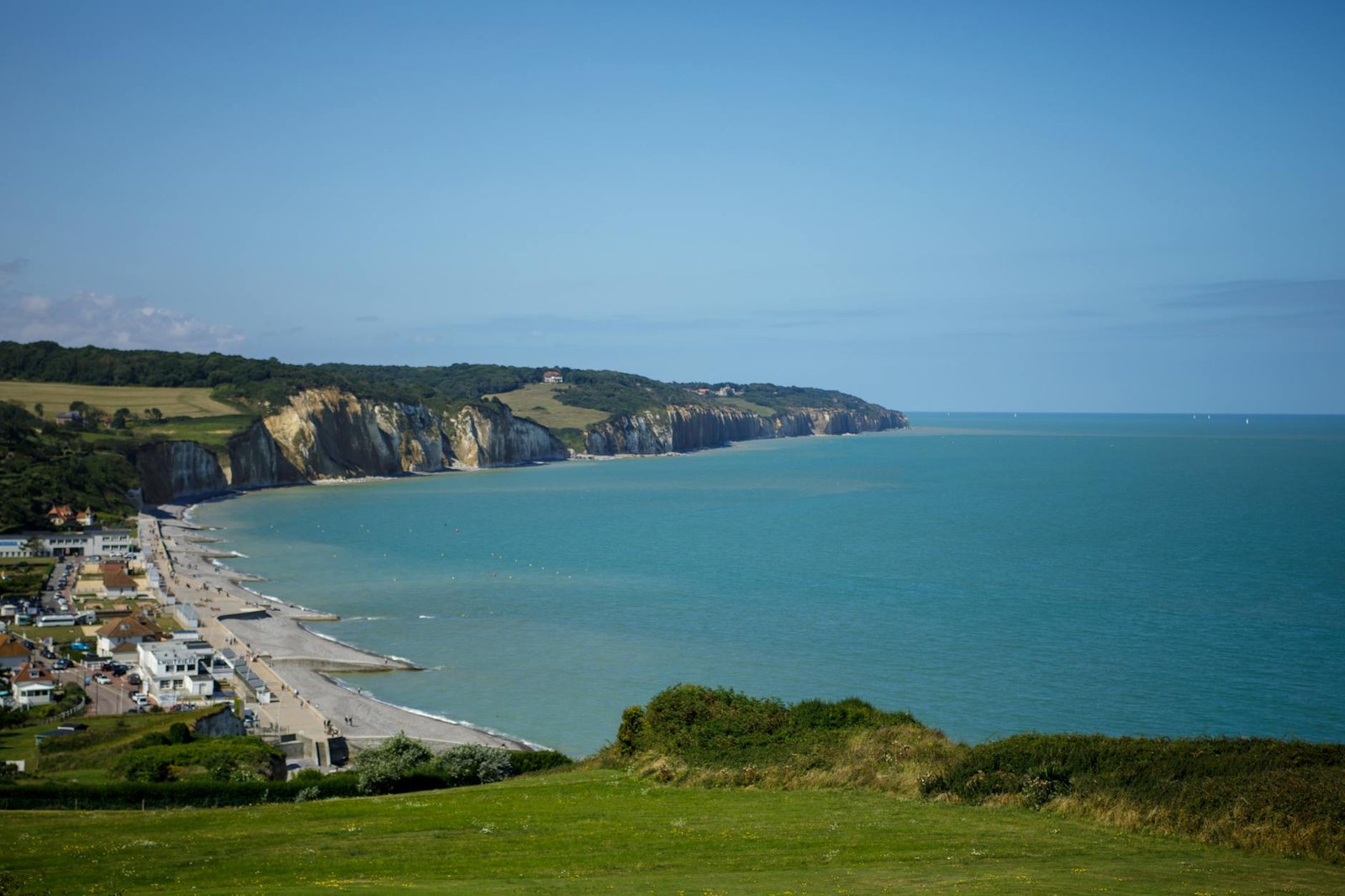
Most passengers stare at the map when Waltenheim-sur-Zorn appears on the itinerary — and then fall completely in love once they step ashore. This tiny Alsatian village sits in the flat, canal-laced plains north of Strasbourg, where half-timbered farmhouses outnumber tourists by a considerable margin. It’s one of the least-hyped stops on the Rhine, and that’s precisely what makes it extraordinary.
Arriving by Ship
River cruise ships dock directly alongside the banks of the Zorn canal, making disembarkation straightforward with no tender required. The village itself is essentially right there — you’re steps from the waterfront, not kilometres from it.
The surrounding landscape is immediately striking: wide agricultural plains, poplar-lined waterways, and the faint silhouette of the Vosges mountains to the southwest. Don’t linger too long at the gangway — there’s more to explore than you’d expect from a village this size.
Things to Do

Waltenheim-sur-Zorn rewards slow exploration on foot or by bicycle, with the wider Alsatian countryside offering depth for those who venture beyond the village limits.
Village & History
- Explore the village centre on foot — the cluster of traditional Alsatian colombage (half-timbered) houses along the main lanes takes roughly 30–45 minutes to walk and photograph.
- Visit the local Protestant church — like many Alsatian villages, Waltenheim has a historically significant church reflecting the region’s unique religious history as a crossroads of French and German influence; entry is typically free.
- Walk the Zorn canal towpath — the flat, shaded path running alongside the canal is ideal for a 30–60 minute stroll, and you’ll often spot local fishermen and passing barges.
Day Trips & Surroundings
- Cycle to Brumath (approx. 8 km) — this nearby town holds Roman archaeological remains and a lively Wednesday market; bike hire is sometimes organised through your cruise ship or available locally for around €10–15/day.
- Day trip to Strasbourg (approx. 25 km) — the Alsatian capital’s Gothic cathedral, Petite France quarter, and Christmas markets are iconic; taxis or organised excursions typically run €20–30 each way.
- Explore the Hanau Forest edges — the vast forest stretching east offers easy walking trails and birdwatching; maps are available at local mairies (town halls) free of charge.
- Visit Haguenau (approx. 15 km north) — one of Alsace’s underrated medieval towns, it features a fine museum of Alsatian history (Musée Historique, entry around €5) and a beautifully preserved old town.
- Spot storks on rooftops — Alsace is famous for its white stork population, and Waltenheim’s surrounding villages frequently have nesting pairs visible on chimneys from April through August.
What to Eat
Alsatian cuisine is arguably France’s most distinctive regional food tradition — Germanic in its heartiness, French in its refinement — and even a small village like Waltenheim gives you access to these flavours at local restaurants and farm shops.
- Tarte flambée (Flammekueche) — the Alsatian answer to pizza, topped with crème fraîche, onions, and lardons; available at most village restaurants for around €10–14.
- Baeckeoffe — a slow-cooked meat and potato casserole traditionally prepared on washday; look for it as a plat du jour at local auberges for €14–18.
- Choucroute garnie — sauerkraut piled with sausages, pork, and potatoes, the region’s most iconic dish; hearty portions average €15–20 at traditional winstubs (Alsatian taverns).
- Munster cheese — pungent, creamy, and unmistakably Alsatian; buy a wedge at a local épicerie or farm stall for €3–5.
- Kougelhopf — a tall, ring-shaped Alsatian yeast cake studded with raisins and almonds; pick one up from a boulangerie for €6–10, perfect ship-snacking.
- Alsatian Riesling or Pinot Gris — local wine estates near the Zorn plain produce excellent bottles; a quality regional white costs €8–15 at a cave (wine shop).
Shopping

The village itself has limited commercial shopping, but that’s part of the charm — what you’ll find is authentic rather than tourist-manufactured. Look for local farm-direct produce, seasonal fruit preserves, and bottles of Alsatian wine or eau-de-vie (fruit brandy) from nearby estates.
Avoid the temptation to save shopping for the ship’s gift shop when Haguenau or Strasbourg are within easy reach — both offer genuine Alsatian pottery, linen, and gingerbread (pain d’épices) at far better prices. Wednesday morning markets in Brumath are ideal for picking up local cheeses, charcuterie, and regional ceramics.
Practical Tips
- Currency is euros — cards are widely accepted in larger towns nearby, but carry some cash for village stalls and small cafés.
- French is the primary language, though many locals also speak Alsatian dialect and some German; a few words of French go a long way.
- Tipping is appreciated but not mandatory — rounding up the bill or leaving €1–2 is perfectly appropriate.
- Mornings ashore are best — the light is golden, the village is quiet, and you’ll beat any day-trip crowds heading to Strasbourg.
- Wear comfortable flat shoes — the terrain is entirely flat but cobblestones appear in village centres.
- Allow at least 3–4 hours to properly explore the village and a nearby town rather than rushing.
- Weather can be unpredictable — bring a light layer even in summer, as canal-side breezes can be cool.
Pack your camera, order a tarte flambée at the nearest winstub, and let this overlooked corner of Alsace quietly become one of your most treasured cruise memories.
📍 Getting to Waltenheim-sur-Zorn, France
Use the interactive map below to explore the port area and plan your route from the terminal.
Leave a Reply