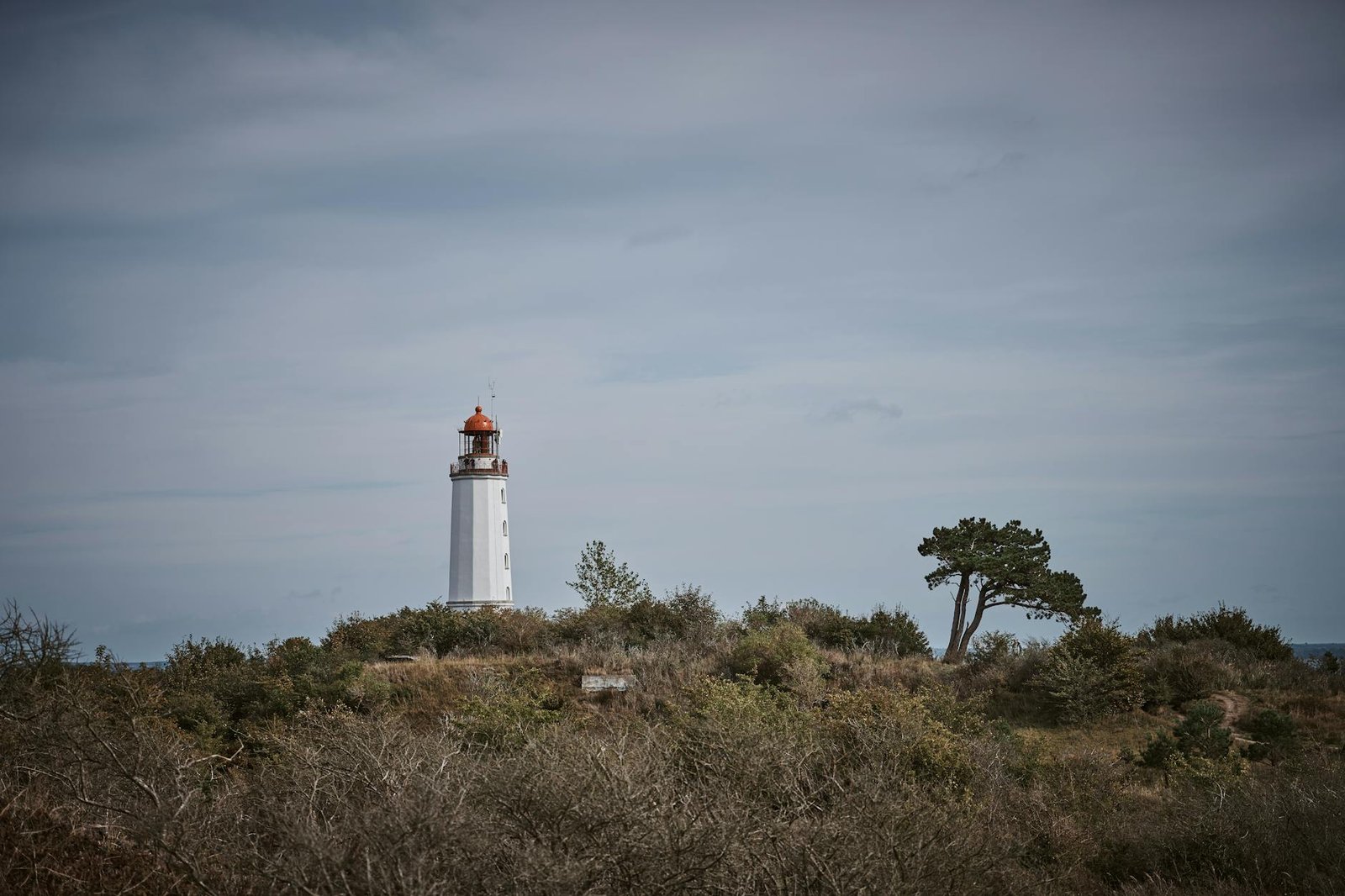
Germany’s car-free Baltic gem feels like the world forgot to rush here — and that’s entirely the point. Hiddensee is a slender sliver of island off Rügen’s western coast, beloved by painters, poets, and anyone who needs to remember what silence sounds like. Arriving by water only deepens the spell.
—
Arriving by Ship
Hiddensee has no deep-water cruise terminal, so larger vessels anchor offshore and tender passengers into Vitte, the island’s main harbour village. The process is unhurried — which, fittingly, sets the tone immediately.
Once ashore, you’re essentially already there. Vitte’s handful of lanes, thatched guesthouses, and reed-fringed paths begin just steps from the small wooden pier, and the island’s entire length is walkable or cyclable within a day.
—
Things to Do

Hiddensee rewards slow exploration — there are no cars, no crowds in the traditional sense, and no rush. What it does have is extraordinary natural beauty, surprising history, and a coastline that quietly outclasses many famous Baltic rivals.
Nature & Beaches
- Cycle the island end to end — rent a bike from one of several hire shops near the Vitte pier (around €12–15/day) and pedal the 17-kilometre length from Neuendorf to Kloster in under two hours.
- Swim at Gellen beach — the long, south-facing sandy spit near Neuendorf is shallow, warm in summer, and almost always uncrowded even in peak season.
- Hike up Dornbusch Hill — at 72 metres this is the island’s dramatic high point, offering sweeping views across to Rügen and, on clear days, the Swedish coast.
- Visit the Dornbusch Lighthouse — built in 1888, it’s open to visitors in summer (€2 entry) and the panoramic view from the top alone justifies the climb.
History & Culture
- Gerhart Hauptmann Museum in Kloster — the Nobel Prize-winning playwright spent his final years on Hiddensee; his villa, Haus Seedorn, is now a museum open May–October (€5 entry, closed Mondays).
- Explore Kloster village — the island’s northernmost settlement has a Romanesque monastery ruin dating to the 12th century, free to wander and genuinely atmospheric at dusk.
- Hiddensee Gold exhibition — the local Heimatmuseum in Vitte displays replicas of a stunning Viking-era golden jewellery hoard found on the island; entry around €3.
Families
- Birdwatching at the southern lagoon — the Gellen headland is a protected bird reserve where white-tailed eagles, cranes, and oystercatchers are regularly spotted; binoculars recommended.
- Take a horse-drawn carriage ride — the island’s only “taxis” are horse carts; you can hire one in Vitte for short rides, a genuinely delightful novelty for children (around €8–12 per person).
—
What to Eat
The food on Hiddensee is honest, sea-facing, and deeply satisfying — think smoked fish, fresh-caught herring, and Baltic prawns rather than anything pretentious. Most restaurants are small, cash-preferred, and close early, so eat when you’re hungry.
- Räucheraal (smoked eel) — a Baltic speciality sold at the small Räucherkate smokehouse near Vitte harbour; roughly €8–10 for a generous portion eaten outdoors.
- Matjesbrötchen (pickled herring roll) — the definitive quick lunch, available from fish stalls near the pier for around €4–5; don’t leave without trying one.
- Hummerschalen soup — a rich, bisque-like crustacean soup served at Restaurant Inselkrug in Vitte, mains around €18–24.
- Freshly baked Strandkuchen (beach cake) — local bakeries sell dense, buttery cakes ideal for picnicking; grab one from Bäckerei am Hafen for under €3 a slice.
- Cold-pressed rosehip juice — made from the wild rosehips that grow prolifically across the island’s dunes; sold in small jars at farm shops, around €4–6.
—
Shopping

Hiddensee has no souvenir factories or chain shops — what you’ll find instead are small studios, artist galleries, and artisan stalls that actually reflect where you are. The village of Kloster in particular has several painters’ workshops open to visitors.
Look for handmade amber jewellery (sourced legitimately from the Baltic shore), locally printed art cards, and small ceramics. Skip the generic “Ostsee” fridge magnets you’ll find at the ferry terminal — they could be from anywhere.
—
Practical Tips
- Currency is euros — most small stalls and fish vendors are cash-only, so carry €30–50 in small notes ashore.
- Tipping is appreciated — rounding up the bill or leaving 10% is standard and warmly received in island restaurants.
- Go ashore early — tender queues can build midday; the island is most magical before 10am when the day-trippers from Rügen haven’t yet arrived.
- Wear comfortable walking shoes — many paths are sandy tracks or cobblestones, entirely unsuitable for heels.
- The island is car-free by law — don’t expect any road-based transport; everything here moves by foot, bike, or horse cart.
- Best months are June and September — July and August bring German school-holiday crowds; shoulder season offers the same beauty with far more peace.
- You need at least four hours — a half-day is the minimum to feel the island properly; a full day lets you reach Kloster and Dornbusch comfortably.
—
Pack light, leave the schedule behind, and let Hiddensee do what it does best — make you completely forget the ship is waiting.
📍 Getting to Hiddensee Island, Vitte, Germany
Use the interactive map below to explore the port area and plan your route from the terminal.
Leave a Reply