Aldabra is not a destination — it’s a reckoning. This UNESCO World Heritage coral atoll in the outer Seychelles is one of the most remote, pristine, and biologically extraordinary places on Earth. If your ship drops anchor here, you are among a tiny handful of humans who ever will.
Arriving by Ship
There is no cruise terminal at Aldabra — no dock, no pier, no café selling cold drinks. Passengers arrive by Zodiac or tender, landing on raw coral shores managed by the Seychelles Islands Foundation (SIF), the conservation body that strictly controls all access to the atoll.
Visitor numbers are capped, permits are required well in advance, and your ship’s expedition team will coordinate everything directly with the SIF research station on Picard Island. Expect a briefing before you go ashore — this is not a port you improvise.
Things to Do

Aldabra rewards the curious and the quiet. There are no tourist attractions in any conventional sense — what’s here is raw, ancient, and alive in ways that will genuinely stop you in your tracks.
Wildlife & Nature
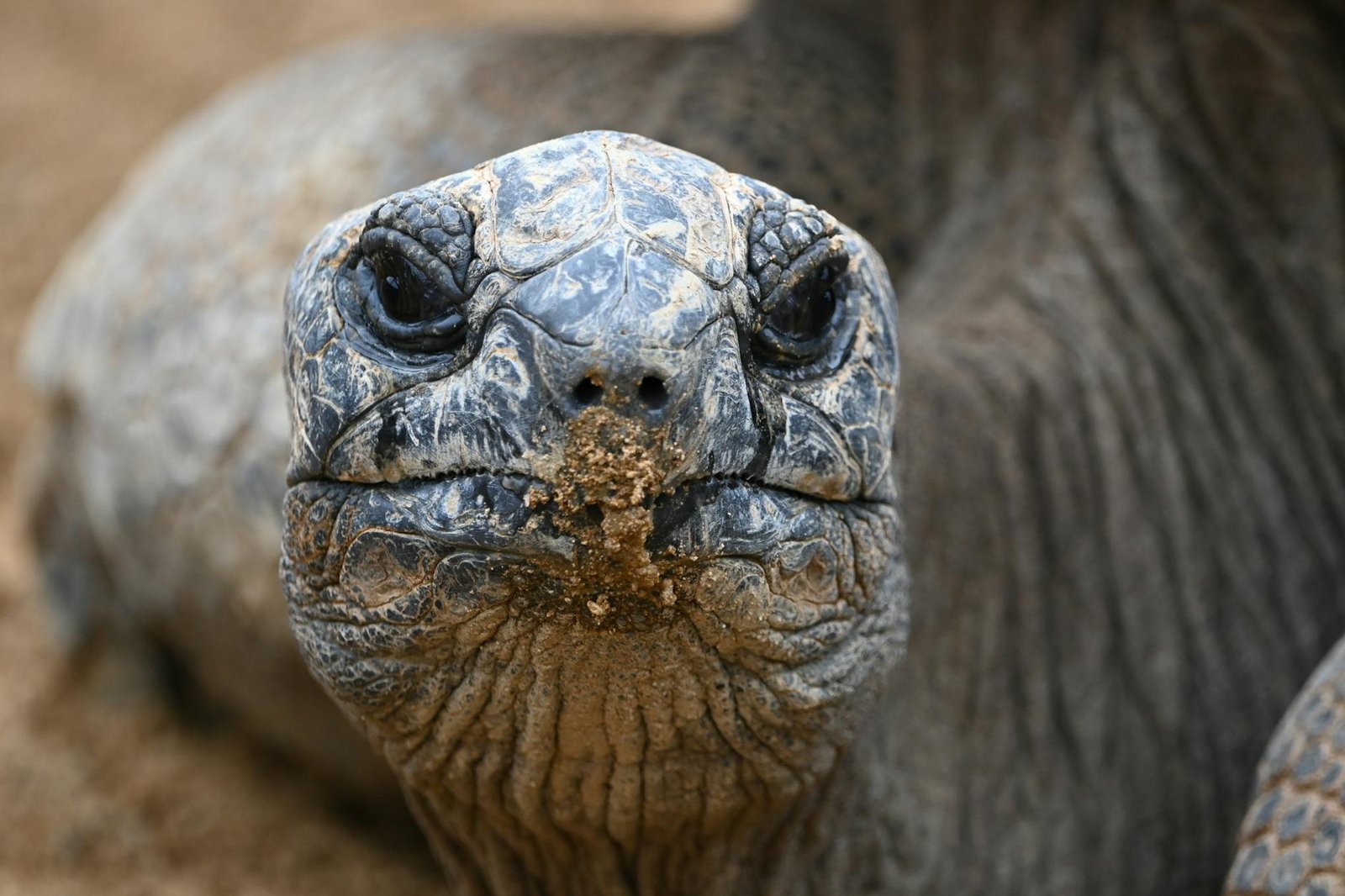
- Giant tortoise encounters — Aldabra is home to roughly 100,000 Aldabra giant tortoises, the largest population on Earth; you’ll encounter them wandering freely within minutes of landing.
- Birdwatching at Picard Island — spot the endemic Aldabra drongo, the Aldabra brush warbler (one of the world’s rarest birds), and vast colonies of frigatebirds nesting in the coastal scrub.
- Snorkelling the lagoon — the 34km lagoon is a world-class dive environment teeming with sharks, manta rays, hawksbill turtles, and Napoleon wrasse; bring your own mask and fins.
- Guided walking trails — SIF rangers lead small groups along marked paths through champignon coral formations and coastal scrub, offering context you simply won’t find in any guidebook.
- Tidal channel drift snorkelling — when the tide pushes through the narrow channels, snorkellers can drift alongside reef fish and the occasional reef shark in extraordinary visibility.
- Green turtle nesting beaches — Aldabra hosts one of the Indian Ocean’s most important green turtle nesting sites; timing your visit at dawn significantly increases your chances of a sighting.
- SIF Research Station visit — the small station on Picard welcomes approved visitors and offers a rare glimpse into ongoing conservation science at one of the planet’s last untouched ecosystems.
Photography
- Aerial and landscape shooting — the geometric perfection of the atoll’s four main islands viewed from low cliffs or elevated coral outcrops makes for extraordinary wide-angle compositions at golden hour.
What to Eat
There is no restaurant, market, or food vendor at Aldabra — the atoll is not a service destination. All meals will be provided aboard your expedition ship, and most operators design their menus to reflect the wider Seychellois cuisine you’d encounter in Victoria or Mahé.
- Grilled red snapper with green mango salad — a staple of Creole cooking, typically served aboard ship with chilli, lime, and coconut; expect this as a lunchtime feature after a morning ashore.
- Octopus curry (zourit) — slow-cooked in turmeric, ginger, and coconut milk, this is the defining dish of Seychellois home cooking and appears regularly on expedition ship menus.
- Breadfruit chips — starchy, crispy, and deeply satisfying, these are served as a snack or side and reflect the breadfruit’s central role in Indian Ocean island cooking.
- Fresh coconut water — simple but non-negotiable in this heat; ship galleys stock it cold and it genuinely helps with hydration after hours on exposed coral.
- Ladob — a sweet dessert of banana or breadfruit cooked in coconut milk and vanilla, usually served warm; comfort food with deep Creole roots.
Shopping

There is nothing to buy at Aldabra, and that’s entirely the point. The atoll has no souvenir shops, no stalls, no trinkets — removing anything from the island, including shells or coral fragments, is strictly prohibited under Seychelles law.
Your ship’s onboard shop may carry expedition-specific merchandise — branded clothing, field guides, or photographic prints — and these make far more meaningful souvenirs than anything mass-produced. If you want authentic Seychellois crafts, save your shopping for Victoria’s Sir Selwyn Clarke Market on Mahé.
Practical Tips
- Permits are non-negotiable — your expedition operator must secure SIF authorisation before arrival; independent access is not possible under any circumstances.
- Wear reef-safe sunscreen only — chemical sunscreens are harmful to coral and may be prohibited; pack mineral SPF before boarding your ship.
- Closed shoes are strongly recommended — champignon coral is razor-sharp and uneven; sandals are a poor choice for any walking ashore.
- No drones without prior SIF approval — unauthorised drone use is prohibited to protect nesting seabirds and the research environment.
- Bring more water than you think you need — Aldabra sits just below the equator with almost no shade on coral flats; dehydration comes fast.
- Best time to go ashore is early morning — wildlife activity peaks before 9am and temperatures are significantly more manageable before the midday equatorial sun takes hold.
- Budget a full day ashore — half-day visits feel rushed; Aldabra’s scale and silence deserve at least six hours of unhurried exploration.
Go ashore slowly, look closely, and let one of the last truly wild places on the planet do the rest.
Leave a Reply