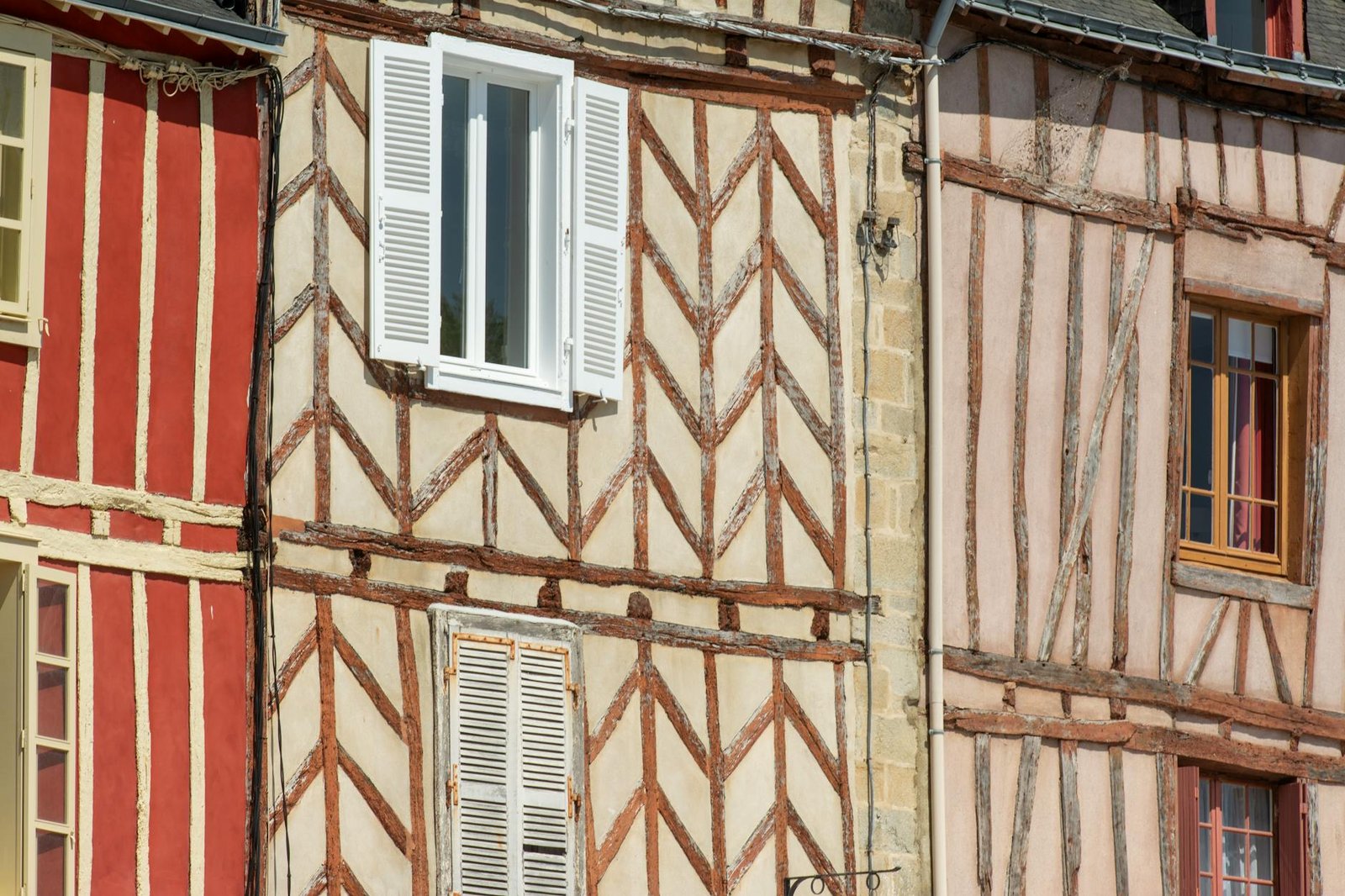
Vannes is one of Brittany’s best-kept secrets — a walled medieval city sitting at the top of the Gulf of Morbihan, dripping with half-timbered houses, Roman history, and some of the finest buckwheat galettes in France. Most cruise passengers sail straight past it for Saint-Malo or Bordeaux, which means you’ll have its cobbled lanes largely to yourself. That’s a gift — take it.
Arriving by Ship
Vannes doesn’t have a traditional deep-water cruise terminal, so most vessels anchor offshore in the Gulf of Morbihan and tender passengers ashore. The tender ride itself is part of the experience — the gulf is scattered with over 40 islands and the scenery is genuinely stunning.
Once ashore, you’ll land near the port area of Vannes itself, which sits just a short walk from the old town walls. The historic centre is compact and almost entirely walkable, so you can comfortably explore without needing transport.
Things to Do

Vannes rewards slow exploration — its medieval core alone could fill a morning, but the surrounding gulf, prehistoric sites, and coastal villages give you genuine options for a full day ashore.
History & Architecture
- Walk the Ramparts (Les Remparts) — These 13th-century walls are among the best-preserved in Brittany; the garden at their base, Jardins des Remparts, is free to enter and perfect for photos of the iconic washerwomen’s houses.
- Vannes Cathedral (Cathédrale Saint-Pierre) — Free to enter, this Gothic cathedral dates to the 15th century and houses the tomb of Saint Vincent Ferrier; allow 30 minutes.
- The Old Town (Ville Close) — Wander Rue Saint-Salomon and Place Henri IV for the most photogenic cluster of half-timbered medieval buildings in the city; no entry fee, open at all hours.
- Audio Guided Walking Tour — A self-guided audio tour covering 18 points of interest through the old town is a brilliant low-cost way to get the full story. 🎟 Book: Audio Guided Walking Tour 1h20 and 18 Audio Comments It runs about 1 hour 20 minutes and costs from just USD 6.98.
Day Trips
- Carnac Standing Stones — Around 30km from Vannes, Carnac has one of the world’s most extraordinary megalithic sites — thousands of prehistoric standing stones stretching across the landscape; entry to the main site from around €8.
- Île-aux-Moines — A short ferry ride from Port Blanc brings you to the “Island of Monks,” a car-free paradise in the gulf ideal for cycling and oyster-tasting; ferries run frequently and cost around €5 return.
Families
- Aquarium du Golfe — One of France’s largest saltwater aquariums sits right in Vannes and houses sharks, rays, and tropical fish; entry is around €14 for adults, €10 for children.
- Gulf of Morbihan Boat Cruise — Several local operators run 1–3 hour boat tours around the gulf’s islands; expect to pay €20–35 per person and book ahead in summer.
What to Eat
Brittany is one of France’s great food regions and Vannes puts it all on one plate — literally. Buckwheat crêpes, fresh-caught seafood, salted butter caramels, and locally farmed oysters are all non-negotiable here.
- Galette complète — A savoury buckwheat crêpe filled with ham, cheese, and egg; try it at Crêperie La Garenne near the old town for around €10–13.
- Gulf of Morbihan oysters — Among the most prized in France, served raw with a squeeze of lemon; order a dozen at any harbour-side brasserie for around €12–15.
- Kouign-amann — A dangerously buttery Breton cake that’s crispy on the outside and caramelised within; pick one up from any local boulangerie for €3–5.
- Moules marinières — Local mussels steamed with white wine and shallots, served with chips; a staple at Le Roof restaurant near the port, around €16–18.
- Salted butter caramel (caramel au beurre salé) — Brittany invented it; grab a jar at any épicerie or market stall for €4–6 to take home.
- Kir Breton — The local twist on Kir uses Breton cider instead of white wine; order it as an apéritif at any café for around €4.
Shopping

The covered market at Les Halles de Vannes is open every morning and is the best place to buy regional produce — cheeses, charcuterie, cider, and those famous caramels. For crafts and souvenirs, the streets around Place des Lices have independent boutiques selling Breton-striped marinière shirts, handmade ceramics, and Celtic jewellery. Avoid cheap souvenir tat near the waterfront; the real finds are inside the walls.
Practical Tips
- Currency — France uses the euro; most places accept card, but carry some cash for markets and small crêperies.
- Tipping — Not obligatory in France; rounding up the bill or leaving €1–2 is perfectly appropriate.
- Getting around — The old town is entirely walkable; rent a bike from one of several local shops (around €15/day) to explore further.
- Best time ashore — Go early — by 10am the market is buzzing and the light on the ramparts is magical.
- How long you need — Four to five hours covers the old town comfortably; a full day opens up Carnac or the gulf islands.
- Language — A few words of French go a long way; Bretons are warm but appreciate the effort.
- Safety — Vannes is extremely safe; standard city awareness is all that’s needed.
Vannes has the rare quality of feeling like a genuine discovery — leave the ship, step through those ancient walls, and you’ll wonder why everyone else stayed onboard.
🎟️ Things to Book in Advance
These highly-rated experiences fill up fast — book before you arrive to avoid missing out.


This page contains affiliate links. If you book through them, we may earn a small commission at no extra cost to you.
📍 Getting to Vannes, France
Use the interactive map below to explore the port area and plan your route from the terminal.
Leave a Reply