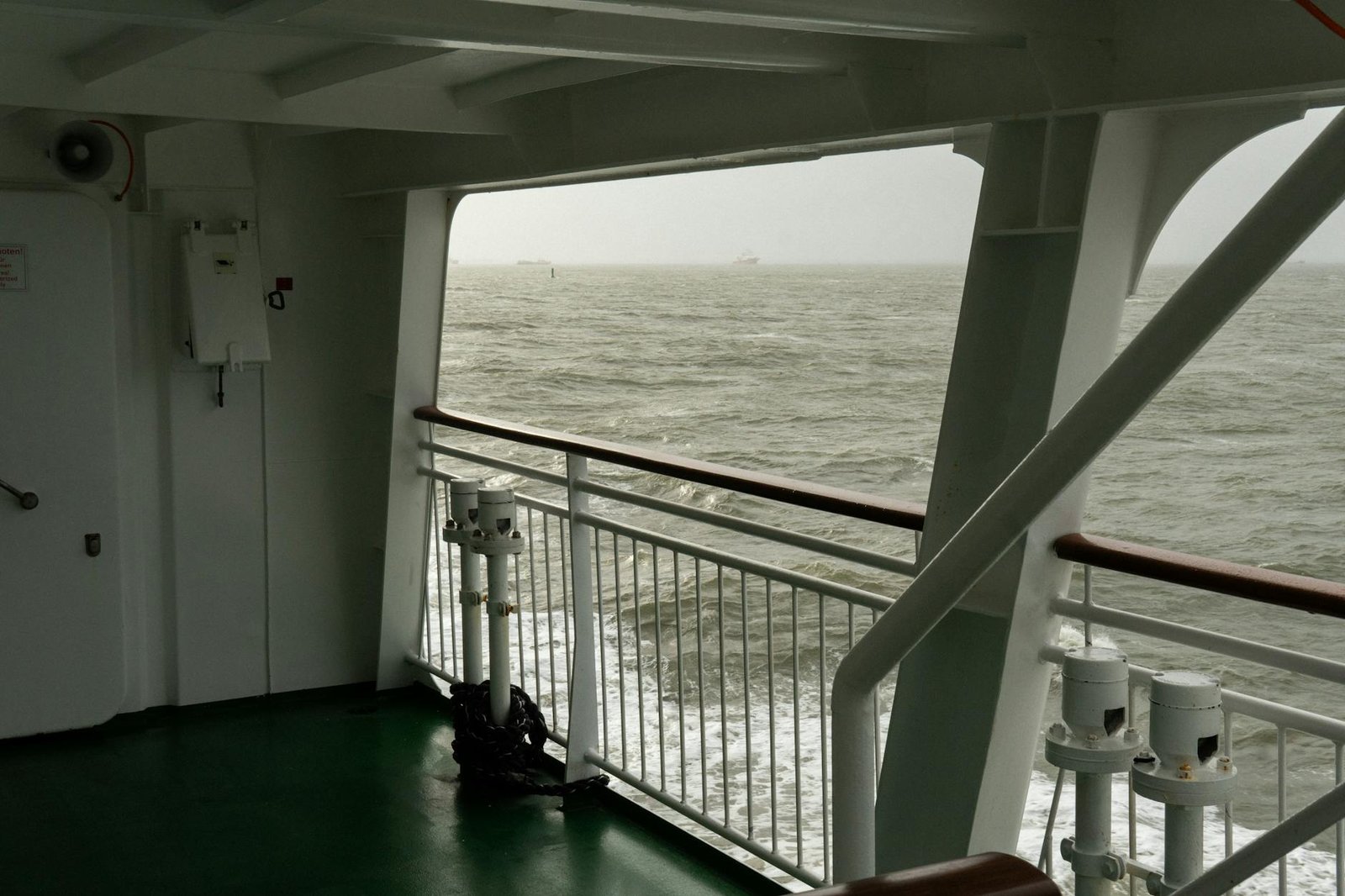
Germany’s most remote North Sea island doesn’t do subtle — crashing waves, bracing salt air, and a car-free old town that feels like it belongs to another century. Borkum is a rare find on the European cruise circuit, beloved by Germans but largely undiscovered by international visitors. That’s exactly why you should pay attention.
—
Arriving by Ship
Borkum doesn’t have a deep-water cruise terminal, so most vessels anchor offshore and tender passengers into the small ferry harbour on the island’s eastern edge. The process is generally smooth, and the tender ride itself offers a dramatic first look at the island’s lighthouse-studded skyline.
From the harbour, the town centre is roughly a 10-minute walk or a quick hop on the island’s narrow-gauge railway — one of the oldest in Germany, still puffing along on steam some days. Give yourself a full day ashore; Borkum rewards slow exploration.
—
Things to Do

Borkum packs a surprising amount into its 36 square kilometres, from tidal mudflats to towering dunes and a Belle Époque spa district. Whether you’re chasing history, beaches, or family fun, the island delivers with zero pretension.
Beaches & Nature
- Südstrand (South Beach) is the island’s most sheltered stretch — wide, clean, and lined with the iconic colourful Strandkörbe (wicker beach chairs) you can rent for around €10 for a half day.
- Kite and windsurfing at Nordsee-Surf-Center — the North Sea winds are ferocious here; lessons start at around €60 and the instructors are excellent.
- Wadden Sea mudflat walks (Wattwanderung) depart from the southern shore daily in summer — guided tours cost roughly €8–12 per adult and reveal a startling underwater world at low tide.
- Dune hikes at the Hohe Düne — these are among the highest coastal dunes on Germany’s North Sea coast; the walk takes about 45 minutes and is completely free.
History & Culture
- Borkum Lighthouse (Neuer Leuchtturm) — climb 193 steps for panoramic views across the Wadden Sea; entry is around €3 and it’s open most afternoons in summer.
- Heimatmuseum Borkum — a compact local history museum covering seafaring, whale hunting, and island life; entry is around €4 and it’s closed Mondays.
- The Old Lighthouse (Alter Leuchtturm) in the town square dates to 1576 and is now a maritime landmark you can admire for free from the cobbled square below.
Families
- Borkum’s narrow-gauge steam railway (Inselbahn) runs the length of the island — kids love it, tickets are about €4–6 each way, and it’s a genuinely charming way to travel.
- Seal-watching boat trips depart from the harbour in summer, lasting around 90 minutes and costing approximately €15–20 per person — sandbanks near the island host large colonies.
—
What to Eat
North Sea seafood dominates every menu here, and the locals take it seriously — this isn’t tourist-trap fish and chips, it’s the real thing. Pair whatever you order with a cold German Pils and watch the world drift by.
- Matjes herring (Matjeshering) — mild, lightly cured, and served with onions and cream at almost every harbour-side café; expect to pay around €8–12 for a traditional plate.
- Krabbenbrötchen (shrimp rolls) — tiny North Sea brown shrimp piled onto a buttered roll, sold at harbour kiosks for around €4–6 and genuinely addictive.
- Fischsuppe (fish soup) at Restaurant Gosch near the harbour — rich, creamy, loaded with catch-of-the-day; a bowl runs about €9–13.
- Freshly smoked fish platters at the small smokehouses near the harbour — ask for the Räuchermakrele (smoked mackerel) and buy extra to take back aboard.
- Rote Grütze — a tart red berry compote served with vanilla cream, found in almost every café on the island for around €5; it’s the dessert you didn’t know you needed.
—
Shopping

Borkum’s pedestrianised Bismarckstraße is the main shopping drag, lined with independent boutiques rather than chain stores. It’s refreshingly low-key — no cruise-ship tat, just genuine local goods.
Look for handmade amber jewellery (Borkum sits along the amber coast), locally produced sea salt, and Frisian textile crafts. Skip the mass-produced lighthouse souvenirs and head instead to the small artisan shops tucked behind the main street for something worth keeping.
—
Practical Tips
- Currency is euros — cards are widely accepted, but carry some cash for kiosks, beach chair rentals, and market stalls.
- Tipping is appreciated — rounding up the bill or leaving 5–10% is standard in restaurants.
- The island is largely car-free — bikes are the default transport; rentals cost around €10–15 per day from several shops near the harbour.
- Dress in layers — North Sea weather changes fast; even in July, a waterproof jacket is non-negotiable.
- Go ashore early — the town fills up on summer afternoons, especially weekends, so tender off first thing.
- You need at least 6–7 hours to properly explore the beaches, town, and one or two attractions.
- Mudflat walks require timing — check tide tables before you go; tour operators will have this information at the harbour.
—
Borkum is the kind of place that sneaks up on you — all salt-stiffened air, creaking beach chairs, and North Sea light — and somehow, by the time the tender carries you back, you’re already planning a return.
🎟️ Things to Book in Advance
These highly-rated experiences fill up fast — book before you arrive to avoid missing out.


This page contains affiliate links. If you book through them, we may earn a small commission at no extra cost to you.
📍 Getting to Borkum Island, Germany
Use the interactive map below to explore the port area and plan your route from the terminal.
Leave a Reply