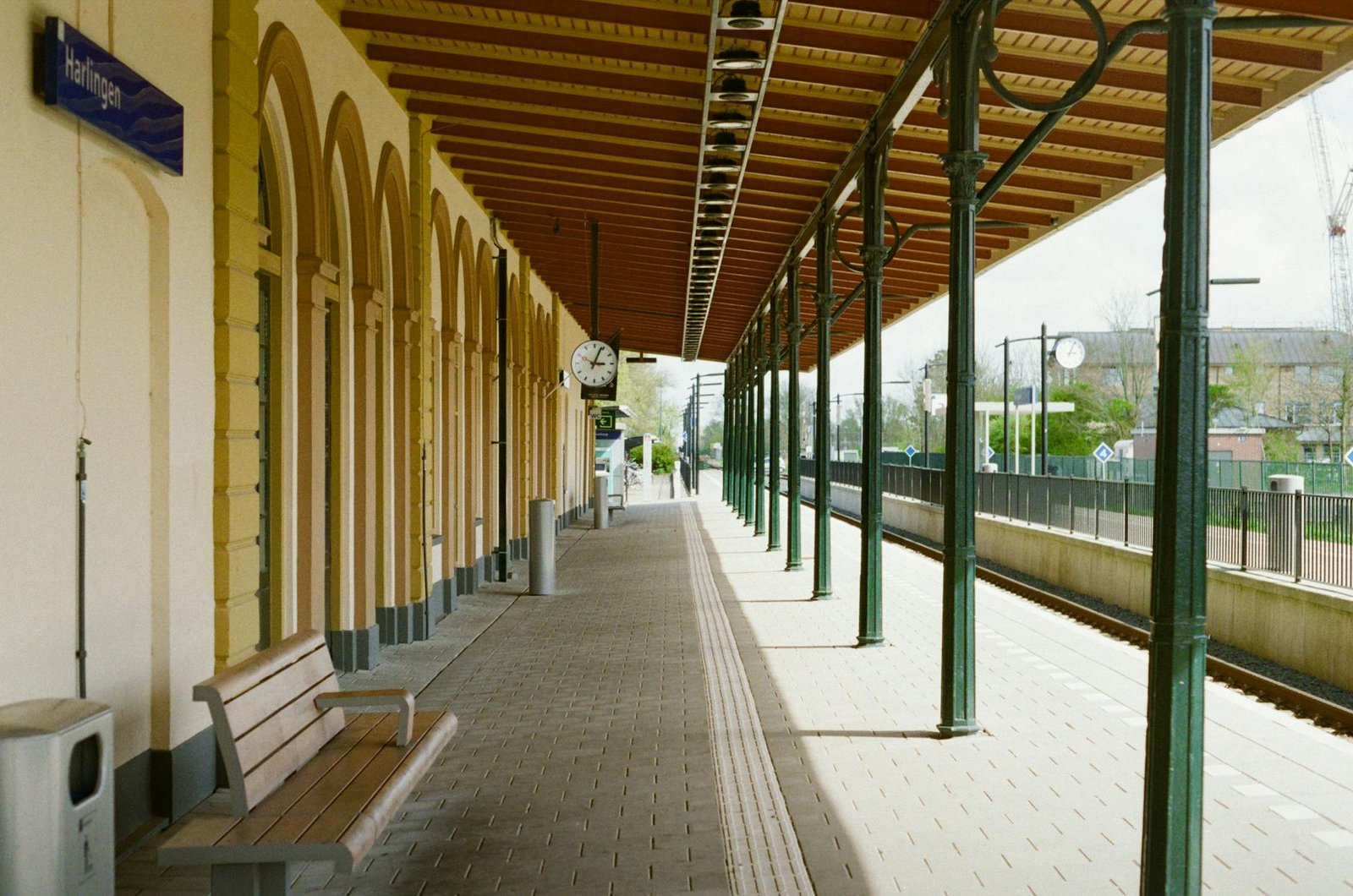
Most visitors arrive in Harlingen half-expecting a picture-postcard Dutch town lifted straight from a tulip catalogue. What they find instead is something far more compelling: a working maritime port with centuries of saltwater in its bones, where tall ships creak against ancient quaysides and the smell of the North Sea follows you everywhere.
Arriving by Ship
Pulling into Harlingen by sea is one of the more theatrical port arrivals in the Netherlands. The town reveals itself slowly across the flat Frisian landscape, its church spire and rooftops rising from what appears to be nothing but open water and sky. Smaller cruise vessels typically dock along the historic inner harbour, the Noorderhaven or Zuiderhaven, placing you almost immediately in the heart of things. Larger ships may anchor at the outer port, with tender services ferrying you the short distance to shore. Either way, your first steps ashore put you alongside rows of beautifully restored historic vessels — a sight that sets the tone for everything that follows. There are no shuttle buses required to reach the town centre; in Harlingen, the port is the town centre.
Things to Do

Harlingen is compact enough to explore thoroughly on foot, which is part of its charm. The historic harbour area is a living museum of Dutch maritime history. You’ll find traditional wooden sailing ships, many of them still working vessels used for charter tours across the Wadden Sea, moored just metres from centuries-old merchant houses.
The Hannemahuis Museum is worth an hour of anyone’s time. Housed in an elegant 18th-century merchant’s home, it traces the town’s seafaring heritage with ship models, navigational instruments, and portraits of the captains who made Harlingen prosperous. Entry is affordable and the staff genuinely enthusiastic.
For something more active, consider booking a Wadden Sea excursion. Harlingen is one of the primary gateways to the UNESCO-listed Wadden Sea, and several operators run boat trips to nearby islands like Terschelling and Vlieland. If your ship is in port long enough, a quick ferry crossing to Terschelling — just 45 minutes — opens up a landscape of dunes, cycling paths, and wild beaches that feels a world away from mainland tourism.
Don’t overlook the town’s collection of 18th-century warehouses and merchant houses along the Noorderhaven. These are some of the best-preserved examples of Golden Age architecture you’ll encounter outside Amsterdam, and here you can admire them without fighting through tour groups.
Local Food
Harlingen reminds you that you’re in Friesland, and Frisian food culture has its own identity distinct from what you’d find in Amsterdam or Rotterdam. Head to one of the harbour-side cafés for Frisian roggebrood — dense, dark rye bread often served with aged Gouda and butter — which makes a surprisingly satisfying lunch. Fish features heavily, as you’d expect from a working port. Look for fresh smoked eel, a regional speciality that locals eat with straightforward pride.
For something warm and filling, erwtensoep (Dutch split pea soup) appears on menus throughout autumn and winter, thick enough to stand a spoon in. Several cafés along the quayside serve excellent coffee and stroopwafels made properly — warm enough that the caramel centre melts properly when balanced over your cup.
Shopping

Harlingen’s shopping scene is modest but genuinely interesting if you know where to look. Skip the generic souvenir shops and head instead to the handful of independent stores clustered around the Voorstraat. You’ll find maritime antiques — old compasses, brass fittings, navigation charts — that make far more interesting souvenirs than ceramic clogs. Several galleries sell work by local Frisian artists, much of it inspired by the dramatic light and flat horizons of the region.
The local Frisian cheese is available at small delicatessens and makes an excellent, easy-to-pack gift. Look also for Beerenburg, the traditional Frisian herb liqueur with a bitter, complex flavour that locals sip after a meal. It’s deeply regional and you won’t easily find it elsewhere.
Practical Tips
Harlingen’s centre is entirely walkable, and flat terrain makes it ideal for cycling if you fancy renting a bike for a few hours. The town is small — its population sits around 15,000 — so you won’t get lost. Most restaurants and shops accept card payments, but having a small amount of euros on hand is always sensible in smaller Dutch towns. English is spoken widely and cheerfully. Weather in this corner of the Netherlands can be brisk even in summer, so bring a layer regardless of the forecast.
Harlingen rewards the curious traveller who slows down long enough to notice it properly. It won’t overwhelm you with spectacle, but it will leave you with something rarer: the quiet satisfaction of having discovered somewhere genuinely, unhurriedly itself.
🚢 Cruises That Stop at Harlingen The Netherlands
Ready to experience Harlingen The Netherlands for yourself? Search live sailings below — filter by departure port, cruise line, and travel dates to find the itinerary that works for you.
Widget not showing? Search all cruises to Harlingen The Netherlands on CruiseDirect ↗
Affiliate link — we may earn a commission if you book through it.
📍 Getting to Harlingen The Netherlands
Use the interactive map below to explore the port area and plan your route from the terminal.
Leave a Reply