Curaçao sits just 35 miles off the Venezuelan coast, but it feels like nowhere else in the Caribbean. Most visitors arrive expecting white sand and rum cocktails — and while those exist, what actually stops them in their tracks is a waterfront of pastel-painted Dutch colonial townhouses so vivid they look digitally enhanced. This island has serious depth, and a single port day will leave you wanting more.
—
Arriving by Ship
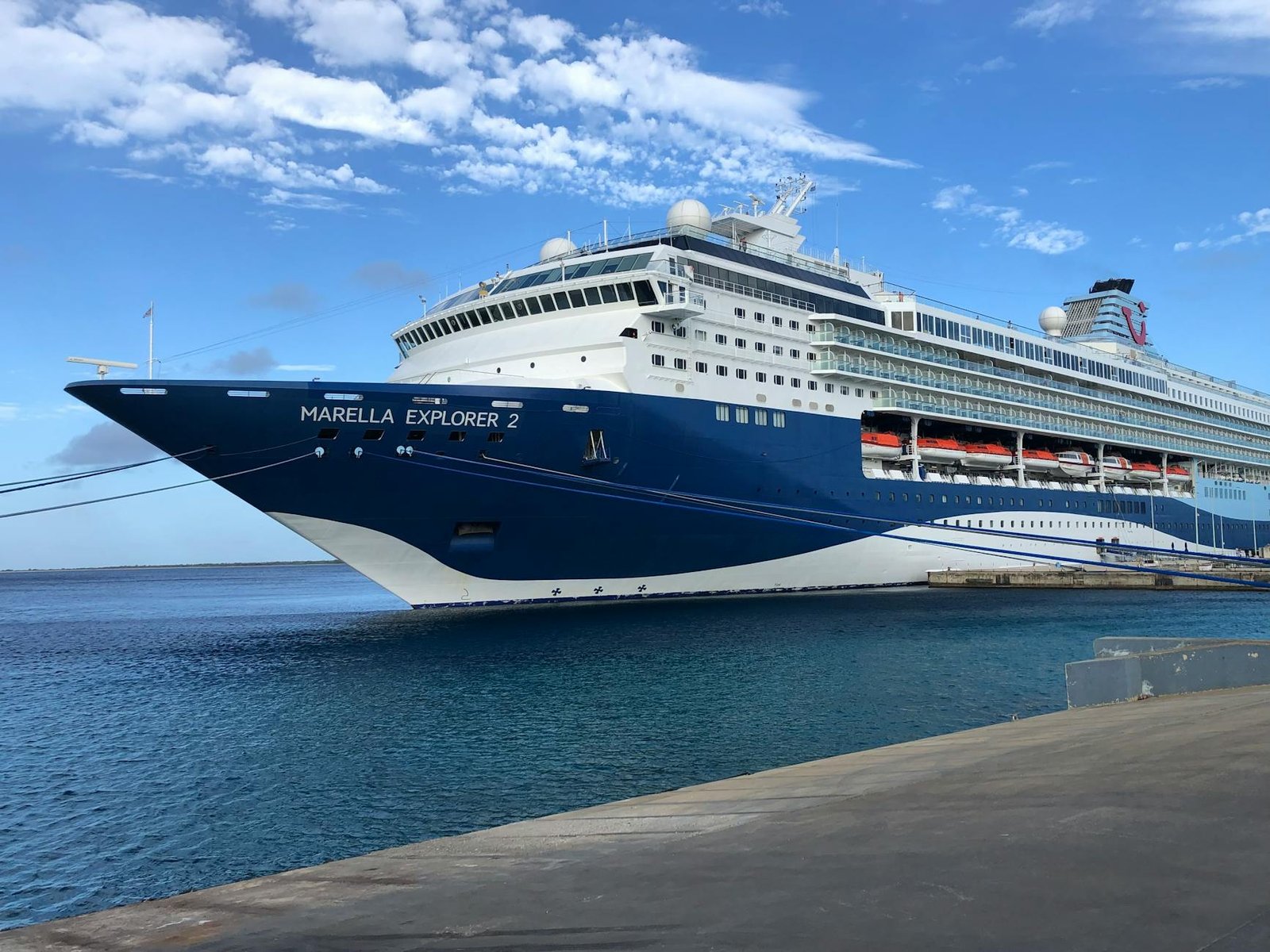
Willemstad’s cruise terminal sits right in the heart of the action — your ship docks at the Mega Pier in Otrobanda, one of the two historic districts that make up the UNESCO-listed city centre. You’ll walk off the gangway and be five minutes from the famous floating Queen Emma pontoon bridge, with no tender drama and no long taxi rides to worry about.
The terminal itself has the usual cluster of shops and tour desks, but don’t linger — the real city begins the moment you step outside the gates.
—
Things to Do

Willemstad punches well above its weight for a compact port city, and the island beyond it rewards anyone willing to venture further. Whether you’re into history, snorkelling, or just wandering photogenic streets, there’s a full day here easily.
History & Culture
- Walk the Handelskade waterfront — the iconic row of 17th-century Dutch merchants’ houses in candy colours is the single most photographed sight in the entire Dutch Caribbean; it’s free and best viewed from the Punda side at golden hour.
- Cross the Queen Emma floating bridge — this pedestrian pontoon swings open to let ships through and is genuinely fun to walk; it’s free, but if it’s open, hop on the free ferry instead.
- Visit Fort Amsterdam — the oldest structure on the island (1635) houses the Governor’s Palace and a small museum; look for the British cannonball still lodged in the church wall.
- Explore the Kura Hulanda Museum — a deeply moving museum built around the history of the transatlantic slave trade, set in a converted slave compound in Otrobanda; entry is around USD 12. 🎟 Book: The best walking tour Willemstad
Beaches & Nature
- Cas Abao Beach — consistently rated one of the best beaches in the Dutch Caribbean, with powdery white sand and excellent snorkelling; entry costs around USD 12 and it’s 30 minutes from port. 🎟 Book: The best Full-Day Beach Hopping in Curacao
- Playa Kenepa (Grote Knip) — a stunning horseshoe bay with electric-blue water and cliffs above; there’s a small entrance fee of around USD 3 and it’s ideal for swimming.
- Snorkel at the Tugboat wreck — an accessible wreck in just 5 metres of water at Caracasbaai, perfect for beginners and easily reached by taxi.
Families & Fun
- Curaçao Sea Aquarium — a hands-on aquarium where kids can feed rays and reef sharks; tickets are around USD 18 for adults and it’s a 10-minute drive from port.
- TukTuk tour of Willemstad — a rattling, open-air tuk-tuk is one of the most entertaining ways to cover the city’s highlights quickly. 🎟 Book: TukTuk’s Adventure Fun Tour in Curaçao
—
What to Eat
Curaçaoan food is a glorious tangle of Dutch, African, Portuguese, and Latin influences — far more interesting than the generic beachside menus that dominate other Caribbean ports. Skip the tourist traps near the terminal and look for local spots in Pietermaai or the Punda side streets.
- Keshi yena — a whole Edam cheese shell stuffed with spiced stewed chicken or beef; find it at Gostoso restaurant in Punda for around USD 14.
- Fresh fish at the Marshe Bieuw (Old Market) — an indoor lunch hall where local cooks serve reef fish, funchi (cornmeal porridge), and stewed goat from around USD 8–12; it opens from 11am on weekdays.
- Rijsttafel — a Dutch-Indonesian spread of small dishes served with rice; try it at Wine & Dine for around USD 25 per person.
- Laraha liqueur — the original Blue Curaçao is made from bitter laraha orange peel grown only here; the Chobolobo distillery offers free samples and bottles start at USD 15.
- Piska ku funchi — fried snapper with funchi and plantain, the ultimate local comfort plate, available at almost any neighbourhood snèk (local canteen) for under USD 10.
—
Shopping

The Punda district is Willemstad’s main shopping corridor, and it’s genuinely good for duty-free Dutch items: Delftware, Gouda cheeses, and jenever gin are all legitimate bargains here. For something more local, seek out hand-painted tiles, Curaçaoan aloe products, and jewellery made from larimar stone at the floating market on the waterfront.
Avoid the cheap trinket shops clustered directly outside the terminal — the quality drops sharply and prices are inflated for the just-off-the-ship crowd.
—
Practical Tips
- Currency: The local florin (ANG) is used, but USD is widely accepted everywhere tourists go; cards work in most shops.
- Tipping: 10–15% is standard at restaurants; taxi drivers don’t expect tips but appreciate rounding up.
- Transport: Official yellow taxis have set rates — agree the price before you get in; the city centre itself is entirely walkable.
- Best time ashore: Go early — Willemstad is quieter before 10am and the light for photography is better.
- Time needed: Allow at least 4 hours for the city; a full beach day requires 6–7 hours minimum.
- Safety: Willemstad’s tourist areas are very safe during the day; exercise normal awareness after dark.
- Sun protection: The Caribbean sun here is fierce year-round — reef-safe sunscreen is required at protected marine areas.
—
Pack your curiosity alongside your swimsuit, because Curaçao will give you far more than a beach day — it’ll give you a story worth telling.
🎟️ Things to Book in Advance
These highly-rated experiences fill up fast — book before you arrive to avoid missing out.


This page contains affiliate links. If you book through them, we may earn a small commission at no extra cost to you.
📍 Getting to Curacao (Willemstad)
Use the interactive map below to explore the port area and plan your route from the terminal.
Leave a Reply