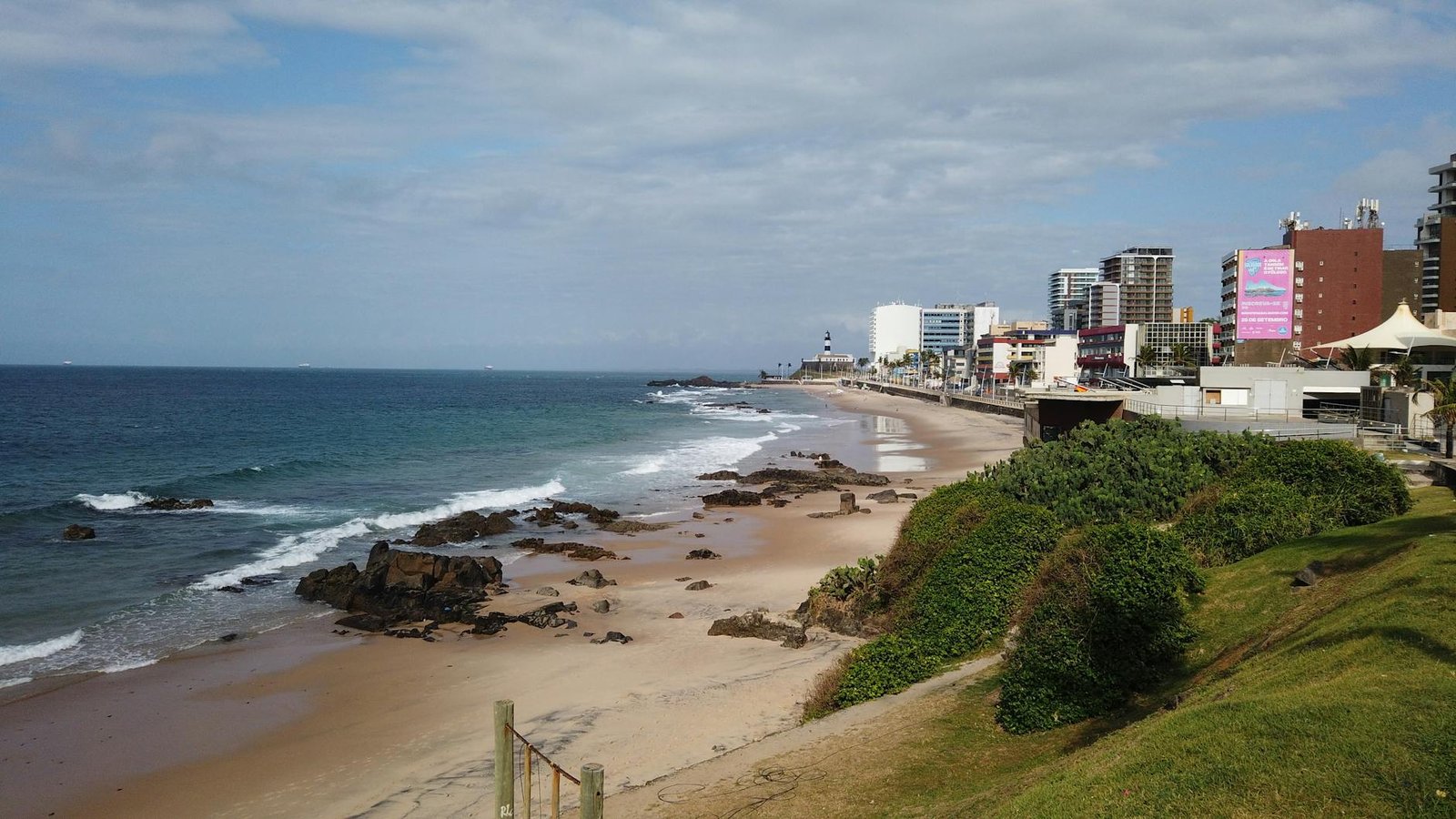
Salvador de Bahia is one of those ports where the brochure photos simply don’t prepare you. Yes, there are cobblestone plazas and painted churches, but what hits you first is the music, the smell of acarajé frying in palm oil, and a city that pulses with an energy unlike anywhere else in South America.
Arriving by Ship
Your cruise ship docks at the Porto de Salvador terminal, conveniently located right in the lower city, known as Cidade Baixa. From here, the famous Lacerda Elevator — a 1920s Art Deco landmark — whisks you up 72 metres to the historic upper city, Cidade Alta, in about 30 seconds and for just a few cents. It’s not a tourist gimmick; locals ride it constantly, and stepping out at the top into the Pelourinho neighbourhood feels like walking onto a film set. The cruise terminal itself has tourist information, currency exchange, and taxis readily available, so getting your bearings is straightforward even if you’re new to Brazil. Note that the port area can be busy and chaotic — embrace it rather than fight it.
Things to Do

Salvador was the first capital of Brazil and the centre of the African diaspora in the Americas, and that history is alive in every corner of Pelourinho. Wander the UNESCO-listed old quarter, popping into the Afro-Brazilian Museum and the 17th-century Igreja de São Francisco, whose interior is smothered in nearly 900 kilograms of gold leaf. It’s breathtaking and slightly absurd in equal measure.
If you want to escape the city entirely, a full-day excursion to Praia do Forte puts you on one of Brazil’s most beautiful stretches of coastline, complete with reef pools and a sea turtle conservation project. 🎟 Book: Praia do Forte Full Day Tour, Salvador, Bahia, Brazil Alternatively, the car-free island of Morro de São Paulo — with its turquoise water and barefoot-chic atmosphere — makes for an unforgettable day away from the crowds. 🎟 Book: Morro de São Paulo Full Day Tour, Salvador, Bahia, Brazil For a broader snapshot of the city itself, a structured city tour helps you connect the dots between Salvador’s layered history. 🎟 Book: Salvador da Bahia City Tour
Don’t leave without watching a Capoeira performance on the streets of Pelourinho. This Afro-Brazilian martial art disguised as a dance is something Salvador does better than anywhere on earth.
Local Food
Salvador’s cuisine is arguably the most distinctive in all of Brazil, rooted in West African tradition and built around coconut milk, dendê (palm oil), and fresh seafood. Your first stop should be an acarajé stall — these black-eyed pea fritters, split open and stuffed with dried shrimp paste and vatapá, are sold by Baianas, women dressed in traditional white lace. It’s street food elevated to cultural ritual.
Sit down for moqueca, a rich fish or prawn stew cooked in a clay pot with coconut milk, tomatoes, and dendê oil. It’s warming, complex, and absolutely nothing like the watered-down versions you might find elsewhere. Wash it down with a caipirinha or, if you’re feeling adventurous, a cold coconut hacked open at a street stall. The flavours here will ruin you for ordinary food back home.
Shopping

Pelourinho is the obvious place to shop, and while it caters to tourists, that doesn’t mean the goods aren’t worthwhile. Look for handmade lace, colourful Candomblé religious beads and amulets, and locally produced cachaça (Brazilian rum) — all make meaningful, portable souvenirs. The Mercado Modelo, a large covered market near the port in Cidade Baixa, is worth a browse for wooden crafts, percussion instruments, and leather goods, though some light-hearted bargaining is expected and welcomed.
For something more authentic, wander slightly off the main Pelourinho drag and browse the smaller artisan workshops where you can watch craftspeople at work. Orixá statues — depicting the deities of Candomblé — are beautifully carved and deeply connected to Bahia’s spiritual identity.
Practical Tips
Salvador is a vibrant but intense city, and a little preparation goes a long way. Carry only the cash you need for the day and leave valuables on the ship. Stay alert in quieter streets, especially as you move away from Pelourinho. Most reputable restaurants and shops accept credit cards, but street vendors are cash only. The local currency is the Brazilian Real, and ATMs are widely available near the port. If your ship is in overnight, consider booking the folklore and dinner show for an evening that combines traditional Candomblé-inspired dance, capoeira, and Bahian food in one spectacular performance. 🎟 Book: Bahia Noite – Folklore and Dinner Show, Salvador, Bahia, Brazil
Salvador de Bahia rewards travellers who lean in rather than hold back. It’s louder, spicier, and more spiritually complex than most cruise itineraries suggest — and that gap between expectation and reality is precisely where the magic lives.
🎟️ Things to Book in Advance
These highly-rated experiences fill up fast — book before you arrive to avoid missing out.


This page contains affiliate links. If you book through them, we may earn a small commission at no extra cost to you.
📍 Getting to Salvador De Bahia Brazil
Use the interactive map below to explore the port area and plan your route from the terminal.
Leave a Reply