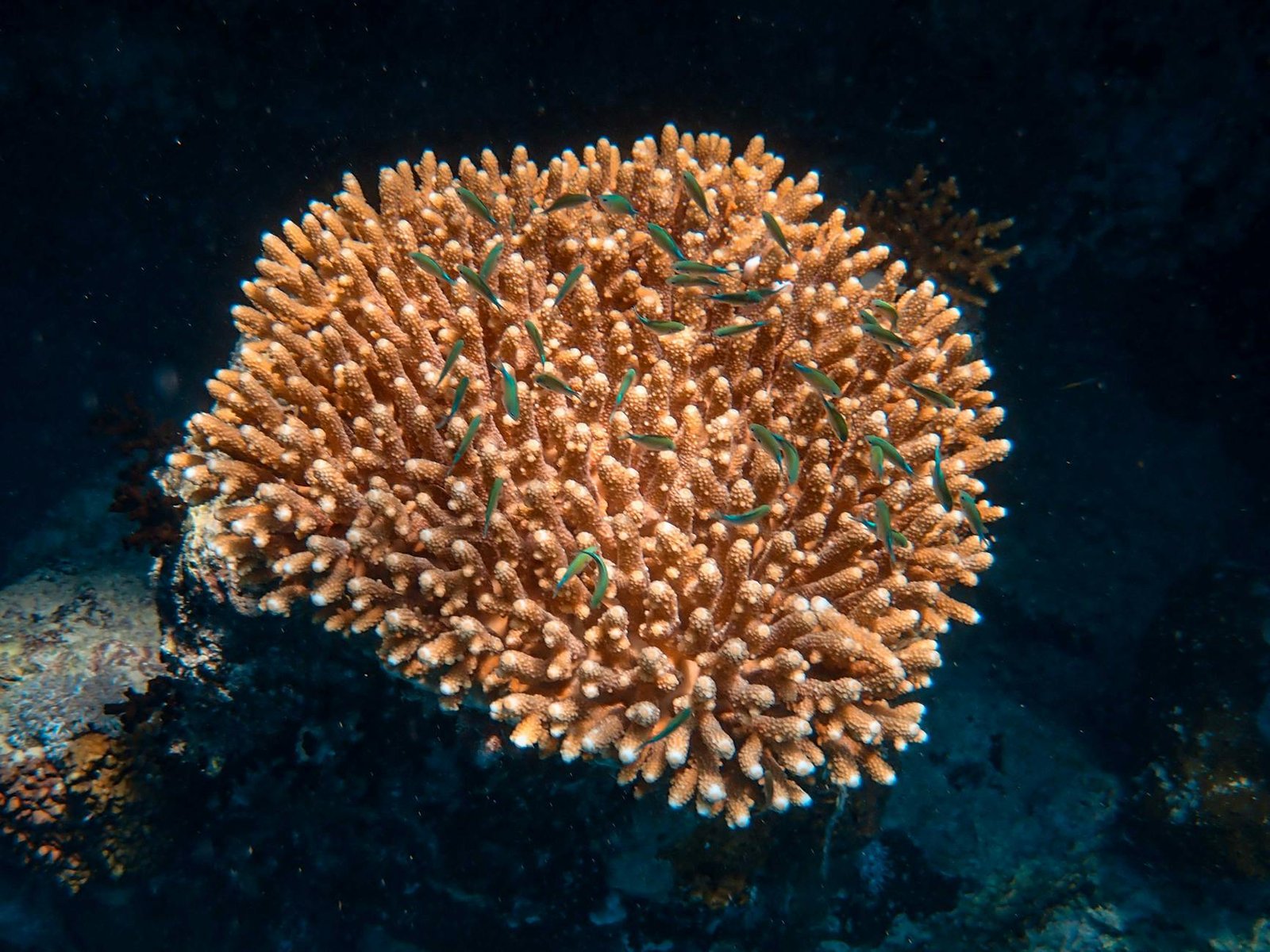
Few cruise ports anywhere on earth can claim something as extraordinary as Chuuk. Beneath the glittering surface of this remote Micronesian lagoon lies an entire Japanese fleet, sunk during a single devastating Allied air raid in 1944 and now transformed into one of the most spectacular dive sites on the planet. Whether you’re a seasoned diver, a history buff, or simply someone chasing the road less travelled, Chuuk delivers experiences you genuinely won’t find anywhere else.
Arriving by Ship
Chuuk — formerly known as Truk — sits in the Caroline Islands of the Federated States of Micronesia, roughly halfway between Hawaii and the Philippines. Cruise ships dock at the main island of Weno, the largest of the roughly 40 islands scattered across the lagoon. Arrival is typically smooth, with tenders occasionally used depending on your vessel’s size and the day’s conditions. The port area itself is modest and unhurried, which is part of the charm. Don’t expect gleaming duty-free terminals or polished welcome centres; instead, you’re stepping into authentic, unhurried island life from the moment your feet hit the dock. Taxis and local guides congregate near the pier, and it’s easy to arrange transport or tours on the spot, though booking a dive operator in advance is strongly recommended given the limited berthing time most ships allow.
Things to Do

Let’s be honest: diving is the reason most people come to Chuuk, and the wrecks in this lagoon are genuinely world-class. Operation Hailstone, launched by the US Navy in February 1944, sank over 60 Japanese vessels and nearly 300 aircraft in just two days. Today those ships — still laden with trucks, aircraft parts, ammunition, gas masks, and in some cases human remains — sit between 10 and 60 metres below the surface, draped in spectacular coral and teeming with marine life. The Fujikawa Maru is perhaps the most famous wreck, its hold still stacked with Zero fighter planes, but the Shinkoku Maru, Sankisan Maru, and Nippo Maru are equally mesmerising. For non-divers, snorkelling over shallower wrecks like the San Francisco Maru offers a remarkable glimpse into this underwater museum.
Above the waterline, Weno town is worth exploring on foot. The Blue Lagoon Resort has a small museum dedicated to the Truk Lagoon battle, complete with artefacts recovered from the wrecks. You can also visit Moen’s highlands for sweeping lagoon views, or hire a local guide to take you to traditional villages on outlying islands like Tol, where daily life continues much as it has for generations. Kayaking and stand-up paddleboarding across the glassy lagoon is wonderfully peaceful, and the birdlife across the mangrove-fringed shores is genuinely impressive.
Local Food
Chuukese cuisine is humble and deeply rooted in the natural bounty of the lagoon. Fresh fish — tuna, parrotfish, and reef fish — forms the cornerstone of most meals, often grilled simply over an open flame or incorporated into hearty soups. Breadfruit is a staple you’ll encounter everywhere, boiled, baked, or roasted, with a starchy, satisfying flavour somewhere between potato and artisan bread. Taro root appears in many dishes alongside coconut, which flavours everything from savoury stews to sweet puddings.
Near the port and along Weno’s main strip, you’ll find a handful of local restaurants and small diners serving straightforward, filling meals at very reasonable prices. Don’t pass up the opportunity to try coconut crab if it’s on offer — it’s a local delicacy that tastes extraordinary when freshly prepared. Street food options are limited compared to other Pacific destinations, but the warmth and hospitality of the people who prepare and serve your meal more than compensates for the modest variety.
Shopping

Shopping in Chuuk is low-key and genuinely artisanal rather than tourist-factory driven. Local craftspeople produce intricate woven goods — baskets, fans, and mats — using traditional techniques passed down through generations. Carved wooden items, including traditional navigation sticks and decorative figures, make meaningful and portable souvenirs. You’ll also find handmade jewellery incorporating shells and coral (ensure anything you purchase is ethically sourced and legal to export).
A small cluster of stalls and informal shops operates near the port and around Weno’s central area. Haggling is not particularly expected or encouraged — prices tend to be fair and the artisans genuinely appreciate your support. If you’re after dive-related merchandise, the main dive operators carry branded gear and souvenir items relating to the famous wrecks.
Practical Tips
Chuuk sits close to the equator, so expect heat and humidity year-round. Lightweight, breathable clothing is essential, and sun protection is non-negotiable. The US dollar is the official currency, and while a few establishments accept cards, cash is king throughout most of the island. ATMs exist but can be unreliable, so carry sufficient cash from your ship. English is widely spoken alongside Chuukese. If you’re diving, ensure your certification cards are readily accessible — reputable operators will check them. Mosquito repellent is a wise addition to your day bag, particularly if you’re venturing inland. Finally, be respectful of local customs — Chuukese culture values modesty and courtesy, and a warm greeting goes a long way.
Chuuk won’t overwhelm you with resort infrastructure or Instagram-friendly beach bars, and that’s precisely the point. This is a port that rewards curiosity, patience, and a willingness to engage with something genuinely extraordinary — a place where history, nature, and culture intersect beneath one of the most hauntingly beautiful lagoons on earth.
📍 Getting to Chuuk Micronesia
Use the interactive map below to explore the port area and plan your route from the terminal.
Leave a Reply