

Northern Europe
Northern Europe
Qaqortoq Cruise Port Guide: What to Expect, Logistics & Tips
Greenland
Ships anchor offshore; tenders required to reach the small harbor in town.
Choose the Right Port Day
Best Overall
Book ship's 2–3 hour guided walk with a local guide. You'll learn actual Inuit history, avoid tender queues solo, and see the town without risk of missing the ship.
Best Beach
Not relevant. Qaqortoq is fjord-side, not a beach port. Cold water (38–45°F year-round) makes swimming a nonstarter.
With Kids
Guided cultural tour of the town and a ranger-led short hike suitable for families. Kids often enjoy the novel Arctic setting; bring wind gear.
Book Guided Town and Cultural Walk from $10Only 3-4 Hours
Skip independent exploration. Book ship's guided walk or cultural visit to avoid tender wait limbo. You'll lose 30–45 min to tenders alone.
Cheapest Option
Walk the village center free (after tender cost). Grab coffee or Greenlandic soup at a local café ($8–15 USD). No paid museum or activity required.
What To Avoid
Overestimating your hiking ability or weather tolerance. Trails are unmarked, steep, and exposed to sudden wind and fog. Don't wander alone or assume the port has infrastructure for independent exploration.
Quick Take
- Port Type
- Expedition / Remote Arctic Settlement
- Best For
- Adventurous cruisers seeking genuine Inuit culture, subarctic hiking, and isolation; not tourist resorts.
- Avoid If
- You need predictable warm weather, paved walkways, shopping, or nightlife. Motion-sensitive or impatient with tenders.
- Walkability
- Hilly, rocky dirt paths. No sidewalks. Hiking boots essential. Not wheelchair-friendly.
- Budget Fit
- Low cost ashore (minimal paid attractions), but tendering and shore excursions via ship required.
- Good For Short Calls?
- Realistic only if ship stays 6+ hours. Tender queues and weather delays kill short windows fast.

Top Things To Do
1
Guided Town and Cultural Walk
A local guide leads a 2–3 hour walk through Qaqortoq, explaining Inuit history, traditional hunting and fishing, colonial Danish heritage, and modern life in the Arctic. You'll see historic sites, colorful houses, and the fjord viewpoints. Guides are typically multilingual and candid about local culture.
2
Hiking to Arctic Viewpoints
Self-guided or guided hikes to hilltops and overlooks around Qaqortoq. Popular routes include trails to Tunugdliarfik (white settlement) viewpoint and inland tundra ridges. Trails are steep, unmarked, and exposed to wind and weather. Allow 1–3 hours round trip depending on distance chosen.
3
Local Café and Food (Cultural Experience)
Visit one of the town's small cafés to sit with locals, drink strong Arctic coffee, and eat Greenlandic soup or smoked fish. No menus; order what's available that day. This is how residents spend time and interact with visitors. Slow, informal, and authentic.
Show 1 more thing to do in Qaqortoq
4
Local Craft Shop and Small Museum
A tiny shop sells handmade tupilak (traditional Inuit figurines), sealskin items, and local art. Prices are high ($20–100+ USD for authentic pieces). A small informal museum may be open; ask at the café or shop. Don't expect curated exhibits—expect personal collections and stories.
Book with the ship, or on your own?
Booking independently
- Often noticeably cheaper than the ship’s version of the same tour.
- Smaller groups and local operators, with traveler reviews you can read before you pay.
- Free cancellation on most tours, usually up to 24 hours before.
When the ship’s excursion makes sense
- Short port calls or long transfers where the timing is tight.
- Tender-only stops where getting ashore can run late.
- The ship waits for its own delayed excursions — it won’t wait for independent ones, so leave a buffer before all-aboard.
Going independent? Compare tours in Qaqortoq → — the best-reviewed ones sell out first.
We may earn a commission when you book through our links, at no extra cost to you — it’s how we keep these guides free.
Check The Port Traffic
Cruise Ships in Port
Once you have your shore plan, use the schedule to see how busy the harbour will be on your date, plus the ships, lines, and published call windows.
Sun
Mon
Tue
Wed
Thu
Fri
Sat
1
2
3
4
5
6
7
8
9
10
11
12
13
14
15
16
17
18
19
20
21
22
23
24
25
26
27
28
29
30
31
Quiet (1–2)
Busy (3–4)
Packed (5+)
0 scheduled calls
October 19, 2026
No scheduled cruise ship calls were found for this date selection. Pick a highlighted day on the calendar above, widen the range, or search for a different ship or line.
Port Overview
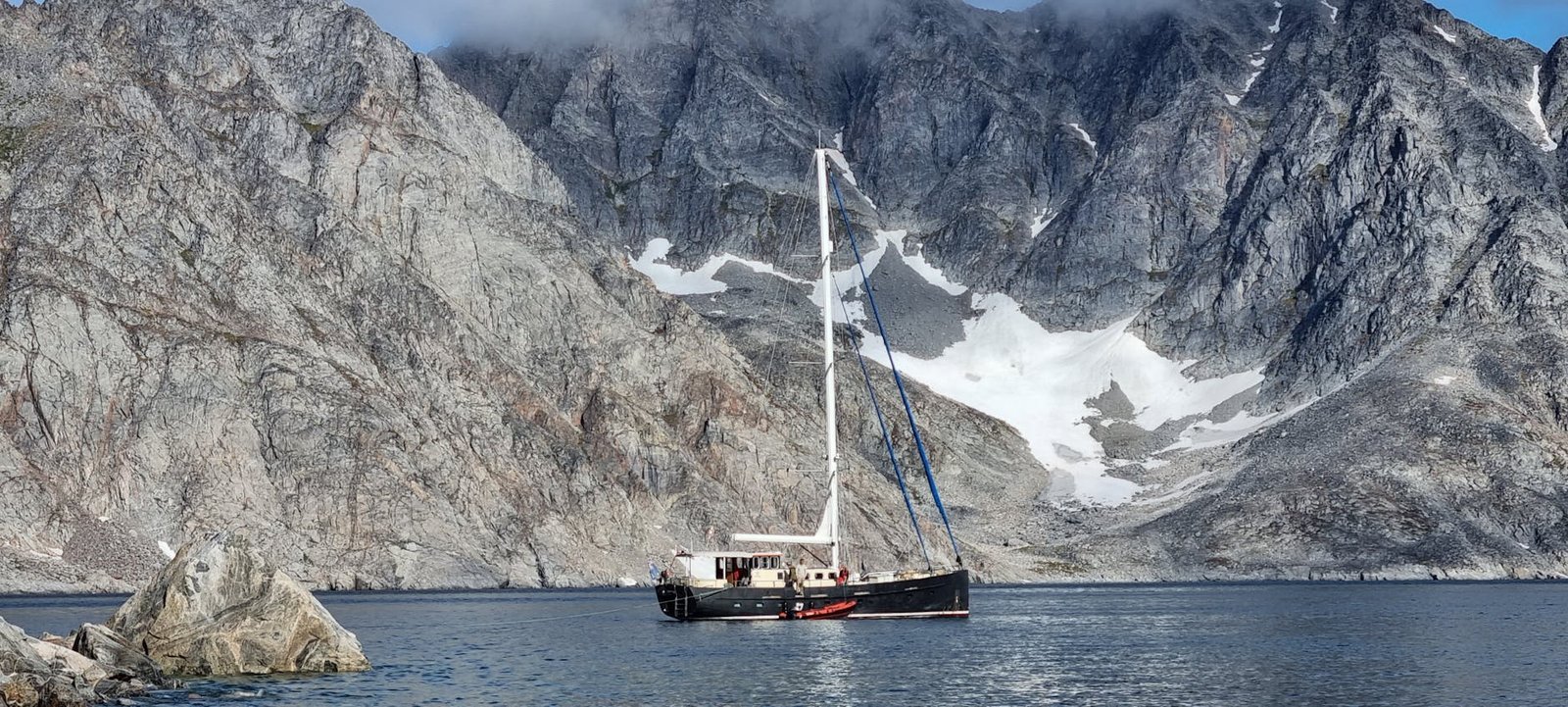
Qaqortoq is Greenland's oldest town (founded 1775) and sits on the southwest coast, nestled in a fjord. Ships anchor offshore and tender passengers to a small jetty. This is not a cruise resort; it's a working settlement of ~3,000 people with minimal tourism infrastructure, no roads in or out, and access only by sea or helicopter. The town is famous for its brightly painted wooden houses, Inuit heritage, and subarctic hiking. Most cruisers spend 4–6 hours ashore; anything less than 4 hours makes independent exploration risky due to tender logistics alone. Winter darkness (Oct–Feb) and summer weather variability (fog, wind, rain even in July–Aug) mean layered, waterproof gear is not optional. This port rewards patience, curiosity about Arctic life, and realistic expectations about civilization.
Is It Safe?
Qaqortoq itself is safe and very low crime. Residents are accustomed to cruise visitors. Risks are environmental: sudden weather, exposed terrain, and isolation if you venture off marked paths. The settlement has a small clinic but no major hospital; serious injuries require helicopter evacuation. Trails are not maintained and can be treacherous in fog or after rain. Do not hike alone or assume trails are marked. Dress for arctic conditions (wind, sudden cold, moisture) even in summer. Mobile networks are weak; carry a whistle and stay within sight of town. The jetty and surrounding rocks are slippery; watch your footing when boarding tenders. Alcohol is legal but expensive; excessive drinking is common among visitors and can impair judgment on unpredictable terrain.
Accessibility & Walkability
Qaqortoq is not wheelchair-accessible. The jetty has no ramp; boarding tenders requires negotiating wet, uneven platforms and steps. The town itself is built on a steep hillside with no paved roads, sidewalks, or level ground. Passengers with limited mobility should discuss realistic options with ship medical staff before arrival. Tender operations may be unsafe for those with balance problems. There are no accessible restroom facilities beyond the ship. If you have mobility concerns, spending the day on ship or attending a controlled, short ship-led tour is the safest choice.
Outside the Terminal
After disembarking the tender, you step onto a small rocky jetty surrounded by subarctic tundra and fjord views. The air is cold and often windy; silence is striking if no other ships are nearby. Immediately inland is the town: a jumble of traditional low-rise wooden houses painted bright red, blue, yellow, and green. No signage, no paved roads, no obvious "tourist area." A few locals may be walking; many residents are indoors. The smell of salt, seaweed, and diesel from boats is noticeable. Within 5–10 min of walking uphill on loose gravel and rock, you reach a small town square where a café and a small shop are sometimes visible. There is no visitor center, no maps, and no clear orientation. This starkness is the point: you're in a remote Inuit settlement, not a cruise port.

Local Food & Drink
Qaqortoq has no restaurants in the conventional sense. A small café near the town square serves coffee, tea, and simple hot food (soup, bread, maybe fish) daily during cruise season. Meals are basic, hearty, and authentically Arctic (musk ox, halibut, seal in some preparations). Prices are high ($12–20 USD for a bowl of soup or sandwich) because all food is imported. The café has no menu; order what's available. Some ships offer pre-ordered packed lunches if you prefer. Alcohol is extremely expensive ($15+ USD per beer); residents rarely socialize in bars. If you are a picky eater or rely on specific cuisines, eat before tendering ashore or bring snacks.
Shopping
Shopping in Qaqortoq is minimal and quirky. A small general store and a craft shop sell handmade tupilak figurines ($30–150 USD), sealskin items, and locally made knit goods. Prices reflect artisanal production and shipping costs to the Arctic. There are no chain stores, no supermarkets (for visitors), and no souvenir stands. Most cruise lines arrange the only reliable shops; these are either at the port or within the town center café/craft area. Cash (DKK) is preferred; cards are accepted at the café and shop but unreliably. If you want a specific souvenir, ask locals directly—many residents sell items from home.
Money & Currency
- Currency
- Danish Krone (DKK). 1 USD ≈ 6–7 DKK (fluctuates).
- USD Accepted?
- No
- Card Payments
- Visa/Mastercard accepted at the café and craft shop, but not guaranteed. ATM is unreliable and may be offline.
- ATMs
- One ATM in town, but it frequently malfunctions. Withdraw DKK before arrival or have backup cash.
- Tipping
- Not customary in Greenland. Service charges are included in prices. A small tip (5–10%) is appreciated if you book a guide.
- Notes
- Bring DKK in cash if possible. Inform your bank of travel to Greenland to avoid card blocks. Prices are 2–3× higher than mainland Europe due to isolation.
Weather & Best Time
- Best months
- July–August. Warmest (45–55°F / 7–13°C), longest daylight, lowest wind risk. Still chilly and unpredictable.
- Avoid
- October–April. Darkness, ice risk, extreme cold, frequent storm-force winds, and tendering hazards.
- Temperature
- June–September: 40–55°F (4–13°C). Rain, fog, and wind common year-round.
- Notes
- Arctic weather is notoriously volatile. Expect rain, fog, and wind at any time. Dress in waterproof, windproof layers. Summer does not guarantee sun. Tendering may be cancelled in rough seas or high winds with zero notice.
Airport Information
- Airport
- Narsarsuaq Airport (UAK)
- Distance
- ~15 km (9 miles) south by helicopter or boat; no road.
- Getting there
- Helicopter (15 min, ~$180 USD one-way) or boat (1–2 hours, check locally for rates). Only accessible during daytime and good weather.
- Notes
- Narsarsuaq is Qaqortoq's nearest airfield. Most cruise passengers do not use it; embarkation/disembarkation is by ship only. If you need air transport, book well in advance and assume weather delays.
Getting Around from the Port
Tender (small boat)
Ships anchor in the fjord and lower tenders to a small jetty near the town center. Tender operations depend entirely on weather and sea state. Queuing for return tenders can absorb 30–60 min of your shore time.
Book ferry ticketsWalking (on foot)
Once ashore, the town center and most points of interest are uphill from the jetty on rocky, unpaved paths. No public transport exists. Some tourists hire local guides or book ship excursions for organized walks.
Ship-organized excursions
Guided walks, cultural tours, and kayaking trips. Usually 2–4 hours. Eliminates solo navigation uncertainty and includes expert commentary.
Details last checked April 2026
Planning a cruise here?
Seabourn, Viking Ocean Cruises, Explora Journeys & more sail to Qaqortoq.
Practical Tips for Cruise Passengers
- Book a ship-organized guided walk if tendering at Qaqortoq. Tender queues alone can consume 1 hour of a short port day, leaving solo exploration risky and rushed.
- Wear full waterproof, windproof gear (jacket, pants, gloves, hat) and hiking boots even in summer. Qaqortoq weather changes in minutes; sudden wind and fog are normal. Cotton clothing becomes dangerously cold when wet.
- Withdraw Danish Krone (DKK) before arrival. The town's ATM is unreliable, and USD is not widely accepted. Prices for coffee and food are 2–3× higher than mainland Europe.
- Do not hike alone or venture beyond visible town boundaries. Trails are unmarked, steep, and prone to sudden fog. Stay in groups and within earshot of town. A whistle and mobile backup are wise.
Frequently Asked Questions
The ship anchors offshore and tenders passengers to a small jetty. Tender operations are weather-dependent and can be cancelled or delayed with little notice. Budget 30–60 min for tendering queues alone.
The town itself is safe from crime, but the landscape is hazardous for solo hikers (exposed terrain, unmarked trails, sudden weather, isolation). Stick to the town center or book a guided walk. Do not hike alone.
Waterproof insulated jacket, wind-resistant pants, hiking boots, gloves, hat, sunscreen, and a small backpack. Layers are essential because weather changes rapidly. Leave behind cotton clothing and assume you'll be cold and damp.
Find cruises to Qaqortoq, Greenland
Compare sailings and book with no fees — best price guaranteed.
We may earn a commission when you book through our links, at no extra cost to you — it’s how we keep these guides free.
✉ Sailing to Qaqortoq? Get your port-day plan
Tell us your sail date and we’ll email you a short Qaqortoq plan about 60 days out — when the good excursions start selling out — plus a final checklist 2 weeks before. Two emails, then done. We’ll send one note to confirm it’s really you — unsubscribe anytime.
Same itinerary network
View All
Ports Often Paired With Qaqortoq

Canada & New England

Nova Scotia, Canada
Halifax Cruise Port Guide: Things to Do, Walkability & Local Tips
Northern Europe

Northern Europe
