

European River Cruises
Mediterranean
Gallician Cruise Port Guide: Things to Do & Getting Around
France
Ships dock directly at the pier in the heart of the port area.
Choose the Right Port Day
Best Overall
Book a half-day guided minibus tour to nearby villages (Provençal market towns) if available; otherwise, walk the harbor and enjoy the pace without rushing back.
Best Beach
Not the port's draw. Closest sandy beach is 15+ km away by car; skip it on a short visit.
With Kids
Walk to town square, grab ice cream, explore the small harbor. Kids tire easily; this is more a stretch-the-legs port.
Only 3-4 Hours
Walk the waterfront, grab lunch at a harborside café, then return to ship. Don't attempt inland villages.
Cheapest Option
Free: walk the waterfront and town streets. Lunch at a local café €8–15 USD. No expensive excursions needed.
What To Avoid
Expensive shore excursions for 'Provence tours' departing from Gallician—you'll spend 2+ hours each way driving. Skip the beach excursions unless you have 8+ hours ashore.
Quick Take
- Port Type
- Small Mediterranean port
- Best For
- Embarkation point; low-key half-day exploration if docked overnight
- Avoid If
- You want major attractions, museums, or varied dining without a car rental
- Walkability
- Limited; town is small but hillside location means some elevation changes
- Budget Fit
- Budget-friendly if staying local; car rental or excursions cost more
- Good For Short Calls?
- Yes, if you stick to the waterfront and immediate town center
Top Things To Do
1
Waterfront walk and harbor exploration
Stroll the quay, watch fishing boats, sit at a harborside café with a pastry or coffee. Genuinely pleasant and zero pressure. This is what the port does well.
2
Town center and local lunch
Walk uphill to the small town square. Browse bakeries, cheese shops, and local eateries. Have lunch at a family-run bistro (bouillabaisse, salade niçoise, local fish). Authentic and unpretentious.
3
Minibus or taxi day-trip to inland Provence villages (half-day)
If you have 5+ hours ashore, hire a taxi or join an organized excursion to nearby hilltop villages such as Bormes-les-Mimosas or Cavalaire. Markets, artisan shops, lunch with a view. Requires coordination; book early.
Book with the ship, or on your own?
Booking independently
- Often noticeably cheaper than the ship’s version of the same tour.
- Smaller groups and local operators, with traveler reviews you can read before you pay.
- Free cancellation on most tours, usually up to 24 hours before.
When the ship’s excursion makes sense
- Short port calls or long transfers where the timing is tight.
- Tender-only stops where getting ashore can run late.
- The ship waits for its own delayed excursions — it won’t wait for independent ones, so leave a buffer before all-aboard.
We may earn a commission when you book through our links, at no extra cost to you — it’s how we keep these guides free.
Check The Port Traffic
Cruise Ships in Port
Once you have your shore plan, use the schedule to see how busy the harbour will be on your date, plus the ships, lines, and published call windows.
Sun
Mon
Tue
Wed
Thu
Fri
Sat
1
2
3
4
5
6
7
8
9
10
11
12
13
14
15
16
17
18
19
20
21
22
23
24
25
26
27
28
29
30
Quiet (1–2)
Busy (3–4)
Packed (5+)
0 scheduled calls
September 20, 2026
No scheduled cruise ship calls were found for this date selection. Pick a highlighted day on the calendar above, widen the range, or search for a different ship or line.
Port Overview
Gallician is a small working port on France's Mediterranean coast, primarily used for embarkation and disembarkation by major cruise lines including MSC, Costa, Royal Caribbean, and Celebrity. The town itself sits on a hillside overlooking the harbor; it's charming but modest, with limited high-street attractions. Most cruisers treating this as a port day will find a 3–4 hour window enough to walk the waterfront, grab a meal, and return to the ship. If you're embarking, arrive early to avoid the afternoon rush. Disembarking cruisers should expect standard port paperwork and a slow-moving queue; plan extra time. The nearest significant city (Toulon) is 50 km away by car, making it an impractical day-trip on foot.
Is It Safe?
Gallician is a safe, low-crime port town. Petty theft is rare. The harbor area and town center are well-lit and policed. Avoid leaving valuables unattended on beaches or in rental cars. Inland roads are well-maintained but winding; if renting a car, drive defensively. No specific security concerns for cruisers; standard urban awareness applies. The area does not have a significant homeless or beggar population in tourist zones.
Accessibility & Walkability
The waterfront is mostly flat and accessible. Town center streets are cobblestoned and uneven, with significant elevation changes inland. Wheelchair users will find the harbor walk manageable but side streets difficult. Limited disabled restrooms; terminal has standard facilities. If mobility is limited, stick to the flat waterfront and avoid venturing uphill into the town. Rental cars with hand controls are available through advance arrangement; inquire at the cruise line terminal.
Outside the Terminal
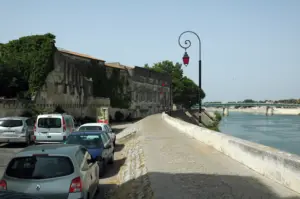
Exit the secure dock area into a modest plaza with a few kiosks and a café. The waterfront is immediately visible; the town proper sits uphill to the left. First impression: quiet, orderly, very French Mediterranean—not touristy or aggressive. Small local shops and restaurants are mixed with empty storefronts. The pace is relaxed; no rushing crowds. Signage is minimal in English; bring a simple map or use offline maps on your phone.
Beaches Near the Port
Local harbor swim area (if designated)
Small beach or designated swim area sometimes exists near the port, but it is not a draw. Water quality and facilities are modest. Do not plan your port day around a beach.
Cavalaire-sur-Mer beach (nearby)
Sandy beach 20 km away, popular with locals. Worth a taxi trip if you have 5+ hours ashore and want a proper beach experience. Clear water, family-friendly, limited tourist infrastructure.
Local Food & Drink
Gallician's food scene is modestly local. The waterfront has a few cafés serving sandwiches, pastries, and drinks—adequate for a quick stop but nothing special. The town center has family-run bistros serving classic Provençal fare: salade niçoise, bouillabaisse, grilled fish, and local cheeses. Lunch prices run €12–25 USD for a main course. Dinner is possible if you're ashore until evening, but restaurants are quiet and not geared toward cruise passengers. French bakeries (boulangeries) are excellent for grab-and-go pastries (€2–4 USD). Supermarkets near the town center stock local wine, cheese, and charcuterie if you want to take supplies back to the ship. No international chains or tourist traps; the food is genuinely French and local.
Shopping
Shopping in Gallician is minimal and geared toward everyday needs, not cruise passengers. A few souvenir shops near the port sell standard Mediterranean trinkets (lavender sachets, local pottery) at moderate prices. The town center has bakeries, a cheese shop, and a small supermarket. Clothing and shoe shops exist but cater to locals, not tourists. If you want legitimate Provence-made items (lavender products, herbs, artisan soap), you'll need to venture to nearby villages by taxi or excursion. Do not expect duty-free shopping or resort-style retail. This is not a shopping port.
Money & Currency
- Currency
- EUR (€)
- USD Accepted?
- No
- Card Payments
- Yes, widely accepted in restaurants and shops, but small cafés and street vendors may request cash. Visa and Mastercard standard; American Express less reliable.
- ATMs
- ATMs in town center and near the port. Withdrawing cash before a café visit is recommended.
- Tipping
- Tipping is not customary in France. Round up to nearest €5 at cafés (if bill is €12, leave €15) or add 5–10% at sit-down restaurants if service is exceptional. Not expected.
- Notes
- Carry some cash (€20–50) for small vendors, parking, or taxis that don't accept cards.
Weather & Best Time
- Best months
- May–June and September–October: mild, sunny, no extreme heat
- Avoid
- July–August: very hot (30°C/86°F+) and crowded; December–February: cool and occasionally rainy
- Temperature
- April–October: 15–28°C (59–82°F); spring and fall optimal
- Notes
- Sunscreen, hat, and water are essential year-round. Strong Mediterranean sun even in spring. Wind can be brisk in fall.
Airport Information
- Airport
- Toulon-Hyères Airport (TLN)
- Distance
- ~50 km
- Getting there
- Taxi (~€80–120 USD, 50–60 min), rental car, or pre-arranged shuttle through cruise line (if offered)
- Notes
- Small regional airport serving charter and low-cost carriers. Not major hub. Pre-arrange transport if flying in/out; public transport is limited. Allow 2+ hours for airport logistics.
Getting Around from the Port
On foot
The harbor and town center are walkable. Waterfront is flat; streets rising inland are steep. Most useful shops and restaurants are within 15–20 minutes' walk of the dock.
Taxi
Taxis wait at the terminal. Useful only for trips beyond the town (e.g., nearby villages, restaurants outside town). Airport in Toulon ~50 km away.
Book a transfer 5% off with code TPO5 at checkoutRental car
Available but not necessary for short port stops. Useful only if spending 6+ hours ashore and want to explore inland Provence.
Organized shore excursion
Cruise lines offer guided tours to Provence villages, lavender fields (seasonal), and local markets. Limited options due to small port size.
Details last checked April 2026
Planning a cruise here?
CroisiEurope sail to Gallician.
Practical Tips for Cruise Passengers
- Gallician is primarily an embarkation/disembarkation port. If you are arriving early or staying late, book a hotel in Toulon (50 km away) or nearby Nice (100 km) instead; the town itself has limited lodging.
- Bring an offline map (Google Maps downloaded) or print a simple town plan; WiFi is spotty and street signage is minimal in English.
- If you have only 2–3 hours, walk the waterfront and have coffee. Avoid ambitious plans to villages or beaches; the driving time alone will eat your port time.
- The local market (if there is one) typically operates mornings only. Confirm timing and location at the port information desk before wandering inland.
- Embarkation can be slow. Arrive at the terminal 2–3 hours before departure if it is your first port; disembarkation the next morning can take 1–2 hours for document checks.
Frequently Asked Questions
No. The port is better suited for a 3–4 hour walk and lunch. If you have 6+ hours, day-trip to nearby Provence villages or beaches by taxi. Otherwise, treat it as a quiet transition day and stay aboard.
Nice (100 km) is too far for a day-trip from a port stop; you'll spend 3+ hours driving. Nearby Provence villages (20–40 km, taxi ~€80–120 USD round-trip) are doable on a 6+ hour port day. Book early or arrange a minibus excursion.
French driving is fast and aggressive; parking in villages is tight; and car rental paperwork takes 30–45 minutes—eating into your port time. Only rent if you have 7+ hours ashore and feel confident driving. Taxis or pre-booked excursions are simpler for short stops.
Find cruises to Gallician, France
Compare sailings and book with no fees — best price guaranteed.
We may earn a commission when you book through our links, at no extra cost to you — it’s how we keep these guides free.
✉ Sailing to Gallician? Get your port-day plan
Tell us your sail date and we’ll email you a short Gallician plan about 60 days out — when the good excursions start selling out — plus a final checklist 2 weeks before. Two emails, then done. We’ll send one note to confirm it’s really you — unsubscribe anytime.
Same itinerary network
View All
Ports Often Paired With Gallician

European River Cruises
Mediterranean

Mediterranean
