
Mediterranean
Mediterranean
Almería Cruise Port Guide: Things to Do, Getting Around & Practical Tips
Spain
Modern cruise terminal with direct pedestrian access to the city center, accommodating multiple large vessels alongside.
Choose the Right Port Day
Best Overall
Alcazaba plus old town on foot — it captures everything distinctive about Almería without needing a tour, a taxi, or much of your budget.
Best Beach
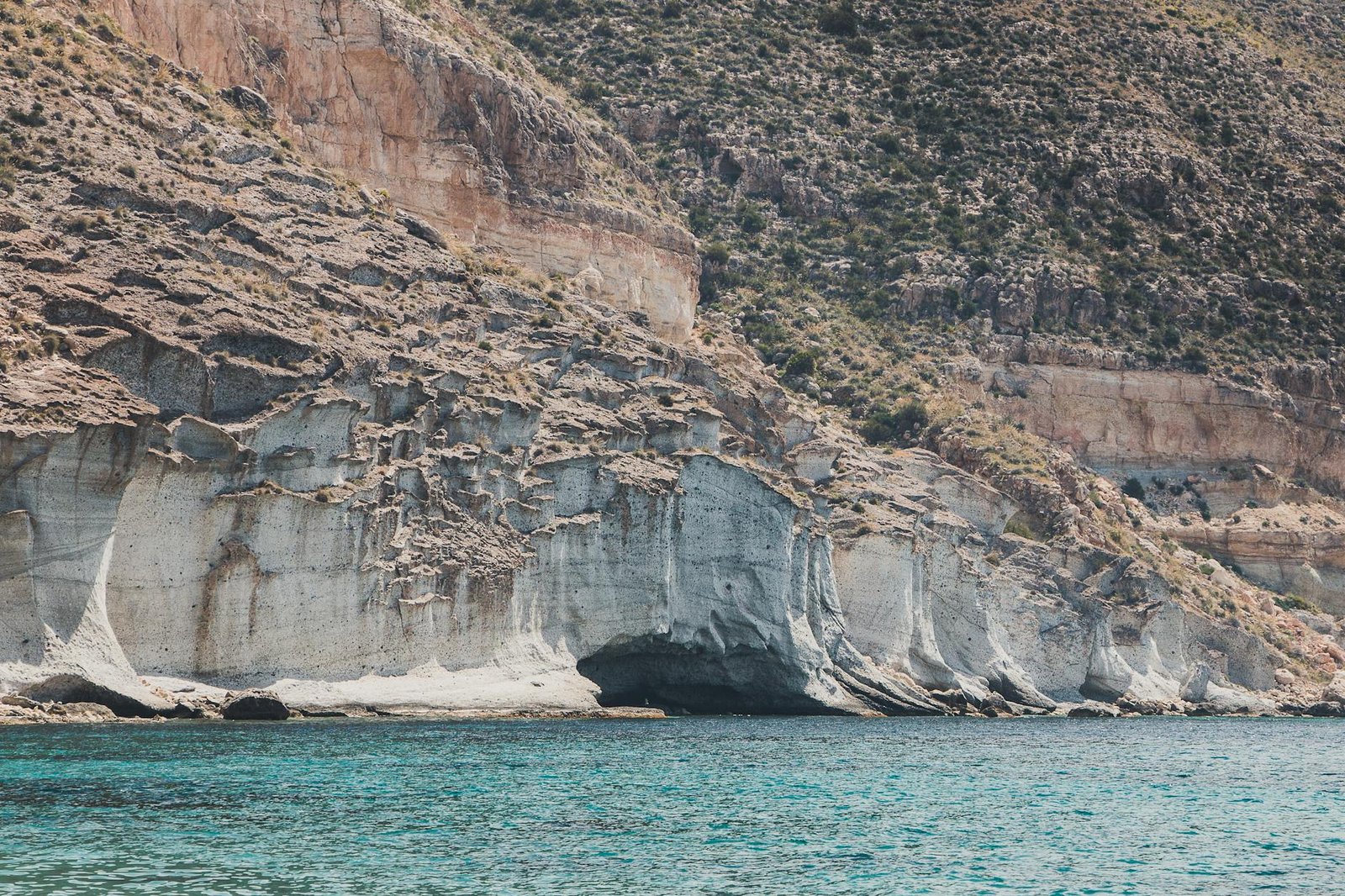
Playa de las Balsicas in Cabo de Gata Natural Park — stunning volcanic coastline, but requires a taxi or rental car and is best as a full-day trip rather than a quick stop.
Book Cabo de Gata Natural Park on ViatorWith Kids
The Alcazaba has enough ramparts, towers, and open space to keep kids engaged, and it's free for EU citizens. Combine with the Mini Hollywood film sets in Tabernas Desert if you have extra time and transport.
Book Tabernas Desert and Mini Hollywood on ViatorOnly 3-4 Hours
Walk or grab a taxi to the Alcazaba (allow 90 minutes), then drop down into the old town to see the cathedral and grab a coffee or tapa on Paseo de Almería. That's a solid half-day without a single tour.
Cheapest Option
Walk from the pier into the city (15-20 minutes), visit the Alcazaba (free or low cost), stroll the old town, and eat a menú del día at a local bar for around $12-15 USD. Total spend can stay well under $25 USD.
What To Avoid
Don't waste the day near the port area itself — there's little of interest immediately dockside. Also avoid booking a Granada day trip unless you have a very late all-aboard time; it's 1.5-2 hours each way and will feel rushed.
Top Things To Do
1
Cabo de Gata Active. Guided kayak and snorkel route through coves of the Natural Park
ACTIVE CAT CORPORAL, the only company in the Tripadvisor® Hall of Fame to have received the TripAdvisor® Certificate of Excellence every year since 2015. In this…
Book on Viator2
Kayak y snorkell por las mejores calas del Parque Natural Cabo de Gata
Nuestros guías son expertos en el Parque Natural, es por ello que te harán disfrutar de la experiencia de una forma segura. Llevamos más de 20…
Book on Viator3
Stargazing Night in the Tabernas Desert
Under the expansive sky of the Tabernas Desert, a unique stargazing experience awaits. Guided by a certified astronomy expert, participants will explore the night sky through…
Book on Viator4
Family Kayak and Snorkel Tour in San Jose Cabo de Gata
Medialunaventura certified company Natural Park Brand Andalusia. Small local company since 2013 we show you the Natural Park in a different way, fun and environmental awareness,…
Book on Viator5
Cabo de Gata Natural Park from Roquetas, Aguadulce & Almeria
An unforgettable coach tour through the Natural Park of Cabo de Gata – Nijar, Almeria, visiting the Mermaids Reef, virgin beaches, the fishermen villages of La…
Book on ViatorBook with the ship, or on your own?
Booking independently
- Often noticeably cheaper than the ship’s version of the same tour.
- Smaller groups and local operators, with traveler reviews you can read before you pay.
- Free cancellation on most tours, usually up to 24 hours before.
When the ship’s excursion makes sense
- Short port calls or long transfers where the timing is tight.
- Tender-only stops where getting ashore can run late.
- The ship waits for its own delayed excursions — it won’t wait for independent ones, so leave a buffer before all-aboard.
Going independent? Compare tours in Almería → — the best-reviewed ones sell out first.
We may earn a commission when you book through our links, at no extra cost to you — it’s how we keep these guides free.
Quick Take
- Port Type
- General Cruise Port
- Best For
- History lovers, desert landscape fans, off-the-beaten-track Spain seekers
- Avoid If
- You want a classic beach resort day or a packed schedule of must-see attractions
- Walkability
- Good into the city center — the Alcazaba, cathedral, and old town are all reachable on foot or a short taxi ride
- Budget Fit
- Very good — Almería is cheaper than Málaga or Granada and far less touristy
- Good For Short Calls?
- Yes — the city core is compact and easy to cover in 3-4 hours
Port Overview
Almería sits in the driest corner of Europe, where the Andalusian sun is relentless and the landscape shifts from compact white city to semi-desert within minutes. Ships dock at the commercial port, which is a manageable walk or short taxi ride from the city center. It's not a polished tourist hub — and that's part of the appeal. You get real Spain here without the crowds of Málaga or Seville.
The port handles a moderate number of cruise calls and sees lines including MSC, Costa, Royal Caribbean, and others throughout the Mediterranean season. The pier infrastructure is functional rather than scenic, but the city beyond it is genuinely worth exploring. The Alcazaba — one of the largest Moorish fortresses in Spain — overlooks everything, and the cathedral is one of the few in the country built with defensive walls due to pirate raids. Both are within easy reach of the pier.
Almería is also the gateway to Cabo de Gata Natural Park, a protected volcanic coastline with some of the most dramatic and unspoiled beaches in Spain. Getting there requires transport, but it's a serious upgrade on anything you'd find near the port itself. The Tabernas Desert — Europe's only true desert and former backdrop for spaghetti westerns — is another unusual excursion option that suits travelers who want something genuinely different.
Overall, Almería rewards curious cruisers who don't need hand-holding. If you like exploring at your own pace, eating where locals eat, and seeing a Spanish city that hasn't been smoothed out for mass tourism, this is a good port day.
Is It Safe?
Almería is a safe city for tourists. Standard precautions apply — keep an eye on bags in crowded areas and around the port gate. The old town and main pedestrian zones are relaxed and low-stress during daytime cruise hours.
The area immediately outside the port is industrial and not particularly scenic, but it's not unsafe. Once you're past the port perimeter and into the city, the atmosphere is normal Spanish urban — locals going about their day, no notable tourist-scam culture, and no aggressive vendor pressure to speak of.
If heading to Cabo de Gata independently, note that some coastal tracks are unpaved and remote. Bring water, especially in summer when heat is significant.
Accessibility & Walkability
The waterfront walkway from the port into the city is flat and paved, making the initial stretch accessible. However, the Alcazaba involves a significant uphill approach and uneven historic surfaces inside — wheelchair access is limited and the terrain is genuinely challenging. The cathedral and Paseo de Almería in the city center are largely flat and more manageable.
Travelers with limited mobility will get the most from a taxi directly to the cathedral area and a slow wander through the pedestrianized streets, skipping the Alcazaba climb. Cabo de Gata beaches range from accessible sandy stretches to rocky coves — research the specific beach before committing.
Outside the Terminal
The first thing you notice leaving the terminal is that you're in a working commercial port — container operations, chain-link fencing, and industrial infrastructure. It's not ugly exactly, just functional. Follow signs or the marked pedestrian route toward the port gate.
Once through the gate, the mood shifts quickly. You're close to the waterfront boulevard and the city opens up to your left. The Alcazaba is visible on the hill ahead — hard to miss. There are usually taxis waiting near the exit. If you're walking, the waterfront promenade toward the city center is straightforward and takes about 15-20 minutes at a relaxed pace.
Beaches Near the Port
Playa de Cabo de Gata
A long, wide, dark-sand beach at the edge of the natural park. Calmer and less developed than resort beaches elsewhere in Spain. Good for swimming, no beach club crowds.
Playa de los Muertos
Often listed among Spain's most beautiful beaches — white pebbles, intensely clear water, dramatic cliffs. It's remote and requires a 20-minute walk downhill from the road, but the payoff is worth it if you have the time and fitness.
Playa de la Garrucha
Closer and more accessible than Cabo de Gata beaches. Urban beach northeast of Almería, calm water, local atmosphere. Not spectacular but entirely decent if you want sand without much effort.
Local Food & Drink
Almería's tapas culture is one of the most genuine in Andalusia. In the old part of the city, many traditional bars still bring a free tapa with each drink — a local tradition that's largely disappeared in more touristy parts of Spain. Order a beer or glass of local wine and something will arrive without being asked. Don't overthink it.
For a sit-down meal, the menú del día (two or three courses with bread and a drink) runs $12-16 USD at most local restaurants and is excellent value. Look for places on streets off the Paseo rather than directly on it. Seafood is strong here — gambas (prawns), boquerones (anchovies), and locally caught fish are standard and fresh.
If you just want something quick near the city center, the market (Mercado Central) is a good stop. It's indoors, local, and gives you a genuine sense of how the city actually eats rather than how it performs for tourists.
Shopping
Almería is not a shopping destination and doesn't try to be. The pedestrian streets around the Paseo have a mix of Spanish chain stores, local boutiques, and a few souvenir spots near the cathedral. If you want ceramic work, olive oil, local almonds, or Andalusian food products to take home, the market or specialist food shops in the old town are better than tourist gift shops.
There's no major crafts or artisan market tied to cruise days. Don't plan your visit around shopping — it's a secondary activity here at best.
Money & Currency
- Currency
- Euro (EUR)
- USD Accepted?
- No
- Card Payments
- Cards accepted at most restaurants, shops, and museums. Some smaller tapas bars and market stalls are cash-only.
- ATMs
- Several ATMs in the city center, within 15-20 min walk of the port. Use bank ATMs rather than standalone kiosks to avoid poor exchange rates.
- Tipping
- Not mandatory. Rounding up or leaving small change is appreciated at cafes and bars. 5-10% is generous at restaurants.
- Notes
- Almería is noticeably cheaper than Málaga, Seville, or the major tourist hubs. Your euros go further here.
Weather & Best Time
- Best months
- April to June and September to October — warm, sunny, manageable heat
- Avoid
- July and August are extremely hot, regularly above 35°C (95°F). Not dangerous but uncomfortable for extended outdoor walking.
- Temperature
- 20-32°C (68-90°F) across the main Mediterranean cruise season
- Notes
- Almería gets more sunshine hours annually than almost anywhere else in Europe. Rain is genuinely rare. Bring sun protection regardless of season.
Airport Information
- Airport
- Almería Airport (LEI)
- Distance
- 9 km east of the city
- Getting there
- Taxi is the most practical option. City buses also connect but are slower with luggage.
- Notes
- Almería Airport is small with limited international connections. For pre- or post-cruise travel, Málaga Airport (AGP) is 2 hours west and has far better route coverage.
Getting Around from the Port
Walking
The port is about a 15-20 minute walk from the city center and Alcazaba entrance. Flat along the waterfront, then a moderate uphill climb to the fortress itself.
Taxi
Taxis are usually available at the port gate. Quickest option for families, those with limited mobility, or anyone heading directly to the Alcazaba or cathedral.
Book a transfer 5% off with code TPO5 at checkoutLocal Bus
City buses run from near the port into the center and beyond. Cheap and reliable but requires knowing the route numbers.
Book bus ticketsRental Car
The most practical way to reach Cabo de Gata Natural Park or Tabernas Desert independently. Agencies are available in the city.
Shore Excursion / Private Transfer
Ship-organized tours cover Granada, Cabo de Gata, and Tabernas. Private guides can be booked ahead for more flexibility.
Book a transfer 5% off with code TPO5 at checkoutDetails last checked April 2026
Check The Port Traffic
Cruise Ships in Port
Once you have your shore plan, use the schedule to see how busy the harbour will be on your date, plus the ships, lines, and published call windows.
Sun
Mon
Tue
Wed
Thu
Fri
Sat
1
2
3
4
5
6
7
8
9
10
11
1 ship
12
13
14
15
16
17
18
19
20
21
22
23
24
25
26
27
28
29
30
31
Quiet (1–2)
Busy (3–4)
Packed (5+)
0 scheduled calls
July 13, 2026
No scheduled cruise ship calls were found for this date selection. Pick a highlighted day on the calendar above, widen the range, or search for a different ship or line.
Planning a cruise here?
MSC Cruises, Costa Cruises, Royal Caribbean & more sail to Almería.
Practical Tips for Cruise Passengers
- If you're heading to Cabo de Gata, sort your transport before leaving the ship — taxis at the port can be scarce mid-morning when everyone disembarks at once.
- The free tapa tradition at bars in the old town is real, but you need to go to the right places — look for traditional bodegas and local bars on side streets, not the tourist-facing spots near the cathedral.
- Almería's Alcazaba is large and the uphill walk is real — wear comfortable shoes and bring water, especially in summer.
- If your ship offers a Granada excursion, check the duration carefully. Granada is 1.5-2 hours each way and a rushed visit is genuinely unsatisfying — it's worth doing only if you have a late all-aboard time.
- The city is compact enough that a half-day ashore is sufficient to see the main sights. If you have a full day, use the extra time for Cabo de Gata rather than lingering in the city.
- Almería is significantly less visited by cruise passengers than other Andalusian ports — use that to your advantage. Queues at the Alcazaba are short, locals are not jaded, and prices reflect a city that isn't optimized for tourist extraction.
Frequently Asked Questions
About 1-1.5 km — a 15-20 minute walk along the waterfront. Taxis are also available at the port gate and cost around $5-10 USD to the center.
Only if your all-aboard time is late afternoon or evening. Granada is 1.5-2 hours each way by road, which leaves limited time for the Alhambra and city. A rushed visit is genuinely frustrating given how much is there.
Generally no — Almería doesn't see the overcrowding that requires advance booking at many Spanish sites. Showing up and buying on the day is usually fine outside peak summer weeks.
A taxi or rental car is the most practical option. The park is 30-50 km away depending on which beach you target, and public transport connections are limited and slow.
Yes — the Alcazaba and old town together make a very satisfying 3-4 hour visit. The city is compact, walkable, and genuinely interesting without needing a full day to feel you've seen it properly.
Find cruises to Almería, Spain
Compare sailings and book with no fees — best price guaranteed.
We may earn a commission when you book through our links, at no extra cost to you — it’s how we keep these guides free.
✉ Sailing to Almería? Get your port-day plan
Tell us your sail date and we’ll email you a short Almería plan about 60 days out — when the good excursions start selling out — plus a final checklist 2 weeks before. Two emails, then done. Unsubscribe anytime.
Same itinerary network
View All
Ports Often Paired With Almería

Mediterranean

Mediterranean

Mediterranean
