

Australia & Pacific
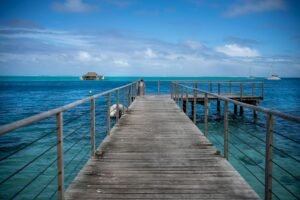
Ships anchor offshore; tenders required to reach Matautu Wharf in the harbor.
Choose the Right Port Day
Best Overall
Hire a taxi driver for 3–4 hours to visit one beach and a cultural site (e.g., Robert Louis Stevenson museum or historic village), then walk the city before returning. Costs $30–50 USD per person for taxi share.
Best Beach
Palolo Deep Marine Reserve (snorkel) or Lalolagi Beach (calmer, closer). Both require taxi; snorkel gear and entry check locally for current rates.
With Kids
City walk + Apia Park, then a short taxi to a calm beach like Lalolagi for swimming. Kids tolerate the pace if you keep movement simple.
Only 3-4 Hours
Walk the compact city center (beach area, market, main shops), grab a light lunch, and return to the ship. Skip organized tours.
Cheapest Option
Walk the city center free, eat local food ($3–6 USD), skip paid excursions. Cost under $10 USD per person.
What To Avoid
Skip vendor-heavy organized 'cultural tours' sold onboard—markups are large and experiences feel rushed. Avoid wandering alone into residential areas after dark; stick to main beach and city streets during daylight.
Top Things To Do
1
City center walk and market
Stroll the compact main streets, visit the colorful local market (fruit, crafts, souvenirs), and grab lunch at a casual eatery or cafe. The pace is slow and the vibe is genuine island life, not tourist theater.
2
Beach visit (Palolo Deep or Lalolagi)
Palolo Deep is a marine reserve ideal for snorkeling; Lalolagi Beach is calmer and better for swimming and relaxing. Both require a short taxi ride. Entry and snorkel gear check locally for current rates.
3
Robert Louis Stevenson Museum
Historic home of the author on the outskirts of Apia. Small museum with period furniture and local historical context. Requires taxi transport; gives cultural depth to a port visit.
Also bookable in Apia
4
Full-Day Upolu Island Highlights Tour from Apia
Discover the best of Samoa with our Full Day Tour, where you’ll visit iconic landmarks, swim in pristine waters, and experience the cultural beauty of the…
Book on Viator5
Samoa in a Day: Customizable Tour of Beaches, Waterfalls, Culture
This is a private tour. Travel at your own pace. Explore Samoa's stunning natural attractions on a flexible full-day tour tailored to your interests. From waterfalls…
Book on ViatorShow 1 more thing to do in Apia
6
Traditional fale village or cultural performance
Some shore excursions include visits to traditional Samoan fales (open-sided houses) and umu (earth oven) demonstrations. Quality varies widely; book onboard only if crew endorses a specific operator.
Book with the ship, or on your own?
Booking independently
- Often noticeably cheaper than the ship’s version of the same tour.
- Smaller groups and local operators, with traveler reviews you can read before you pay.
- Free cancellation on most tours, usually up to 24 hours before.
When the ship’s excursion makes sense
- Short port calls or long transfers where the timing is tight.
- Tender-only stops where getting ashore can run late.
- The ship waits for its own delayed excursions — it won’t wait for independent ones, so leave a buffer before all-aboard.
Going independent? Compare tours in Apia → — the best-reviewed ones sell out first.
We may earn a commission when you book through our links, at no extra cost to you — it’s how we keep these guides free.
Quick Take
- Port Type
- Small Pacific city port with limited infrastructure and modest tourist amenities.
- Best For
- Cruisers seeking a slow-paced island experience, cultural immersion, and scenic landscapes; not ideal for big activities or shopping.
- Avoid If
- You want extensive infrastructure, long organized excursions, or nightlife. Port days are short (usually 8 hours or fewer) and taxis are not plentiful.
- Walkability
- City center is flat and small; walkable in 30–45 min round trip. Beyond that, distances and heat make transport necessary.
- Budget Fit
- Budget-friendly: local transport is cheap, no entry fees to beaches, meals are affordable. Organized excursions are pricey for what you get.
- Good For Short Calls?
- Yes, easily. City walk or single beach visit fits a short port day; skip elaborate shore excursions.
Port Overview
Apia is Samoa's capital and the only major cruise port in the country. Ships anchor offshore and tender passengers to a modest wharf in the center of town. The port is small, quiet, and largely underdeveloped compared to other Pacific destinations; there are no mega-resorts, minimal nightlife, and transport is basic but functional.
The draw is cultural immersion and natural scenery rather than infrastructure. The city center is compact, walkable, and friendly; beaches are nearby but require short taxi rides. Most cruisers spend 4–8 hours ashore and either take a guided shore excursion or self-organize a taxi tour and beach visit.
Be realistic: Apia is not a destination for busy shopping, water sports with rental fleets, or fine dining. It is best suited to cruisers who appreciate slow travel, want a genuine island experience, and do not expect Western amenities. A half-day or full-day port visit works equally well.
Is It Safe?
Apia is generally safe for tourists during daylight hours. Petty theft (bag snatches, pickpocketing) is rare but possible in crowded areas like the market. Avoid walking alone at night or in dimly lit residential areas. The city center and waterfront are well-policed and busy during port days.
Violent crime against tourists is uncommon. Use common sense: keep valuables in a day bag, use taxis after dark, and avoid displaying large amounts of cash. The local population is friendly and helpful to visitors.
Accessibility & Walkability
Apia's city center is flat and paved, making it wheelchair-accessible for short walks. The wharf is functional but has no dedicated accessible facilities. Beaches and some cultural sites have sandy or rough terrain that may challenge wheeled mobility.
Taxis can accommodate wheelchairs if folded; confirm before boarding. Most restaurants and shops have step or ramp entry; assume no elevators. Overall, mobility-limited travelers can manage the city center and a beach visit with advance planning.
Outside the Terminal
Exit the tender onto a small wharf in central Apia. The immediate area is clean and safe: beach on one side, shops and small cafes a short walk inland, and a market a few blocks away. The pace is unhurried; no aggressive vendor pressure. Within 10 minutes, you are in the heart of town with restaurants, ATMs, and taxis all visible.
Beaches Near the Port
Palolo Deep Marine Reserve
Premier snorkel site with coral gardens and calm, clear water. Small entry fee. Good for confident swimmers; currents can be moderate. Gear rental available; no facilities on beach.
Lalolagi Beach
Sheltered, calm beach with sand and shallow entry. Popular with families. No entry fee. Fewer tourists than Palolo Deep; more relaxed vibe.
Apia Beach (city beach)
Small urban beach directly accessible by foot from the city center. Water quality variable; less scenic than outlying beaches but no transport required.
Local Food & Drink
Apia has basic but affordable dining: casual cafes and small restaurants around the city center serve local and simple international food. Expect fresh tropical fruit, fish, coconut-based curries, and simple noodle dishes. Lunch runs $4–8 USD for a filling meal at a local spot. A few slightly more upscale restaurants near the waterfront charge $12–20 USD per dish but are not compelling for a short port day.
The market has fresh fruit (mango, papaya, coconut) at $1–3 USD. Avoid street food unless you are confident in hygiene. Water from taps is safe; bottled water is widely available. Coffee and tea are basic but available. No fine dining or tourist-focused restaurants worth detours.
Shopping
Apia's market and shops around the city center sell woven baskets, handicrafts, coconut carvings, and printed fabric (siapo). Prices are fair and haggling is expected at the market but not in shops. Most items are low-cost ($2–15 USD) and locally made. Souvenir shops are modest; no international brands or large stores. Shopping is not a draw; most cruisers spend 20–30 min browsing without buying much.
Money & Currency
- Currency
- Samoan tala (WST); 1 USD ≈ 2.6–2.8 WST (check current rate)
- USD Accepted?
- No
- Card Payments
- Visa and Mastercard accepted at larger restaurants, hotels, and some shops; many small businesses and market vendors accept cash only.
- ATMs
- ATMs at the city center banks (within 5 min walk of wharf); withdraw tala in advance or use ATM. Plan to withdraw $50–100 USD equivalent.
- Tipping
- Not customary; rounding up bills or small gratuity (5–10%) appreciated but not expected.
- Notes
- Carry cash for market, taxis, and small vendors. Credit cards are useful for larger purchases and restaurants. Exchange rate is fair; no need to change money before arrival.
Weather & Best Time
- Best months
- May–September (dry season, warm, lower humidity, less rain)
- Avoid
- December–March (cyclone season, high heat, frequent rain, rough seas)
- Temperature
- Most cruises are Apr–Oct; temperatures 78–88°F (26–31°C), humidity 70–80%
- Notes
- Port days in dry season are more pleasant. Rough seas can delay tenders. Pack light clothing, sunscreen, and a light rain jacket year-round.
Airport Information
- Airport
- Faleolo International Airport (APW)
- Distance
- 6 km (20–25 min by taxi)
- Getting there
- Taxi $15–25 USD; shuttle services check locally for current rates
- Notes
- Airport is used for embarkation/disembarkation on repositioning cruises; most port calls have no air connection.
Getting Around from the Port
Tender boat
Ships anchor and run tenders to the wharf near the city center. Tender operation depends on sea conditions; can be slow during high swells.
Book ferry ticketsTaxi
Abundant at the wharf and around the city. Drivers are friendly, fares are negotiated (no meters). Shared taxis also available for short hops within town.
Book a transfer 5% off with code TPO5 at checkoutWalking
City center is flat and compact; main sights within 5–10 min of the wharf. Beyond the center, distances are deceptive and heat makes long walks uncomfortable.
Rental car
Available but rarely worthwhile for short port days. Left-hand drive. Roads are narrow and poorly marked.
Details last checked April 2026
Check The Port Traffic
Cruise Ships in Port
Once you have your shore plan, use the schedule to see how busy the harbour will be on your date, plus the ships, lines, and published call windows.
Sun
Mon
Tue
Wed
Thu
Fri
Sat
1
2
3
4
5
6
7
8
9
10
11
12
13
14
15
16
17
18
19
20
21
22
23
24
25
26
27
28
29
30
Quiet (1–2)
Busy (3–4)
Packed (5+)
0 scheduled calls
August 2, 2026
No scheduled cruise ship calls were found for this date selection. Pick a highlighted day on the calendar above, widen the range, or search for a different ship or line.
Planning a cruise here?
Princess Cruises, Holland America Line, Oceania Cruises & more sail to Apia.
Practical Tips for Cruise Passengers
- Hire a taxi for 3–4 hours at a negotiated flat rate ($30–50 USD for 1–2 people) rather than taking multiple single rides; more economical and flexible.
- Tender queues at the end of the port day can be long; plan to be back at the wharf 30 min before all-aboard.
- The market is busiest midday; arrive early or late for a less hectic experience.
- Bring reef shoes or water sandals if you plan to snorkel; coral cuts are common and painful.
Frequently Asked Questions
No. Ships anchor and tender passengers to a small wharf. There is a basic shelter and a few shops/cafes nearby, but no dedicated cruise terminal. The wharf is open and functional.
Yes, if you hire a taxi for 4+ hours and are willing to skip the city walk. One beach is more realistic for a typical 6–8 hour port day.
Self-exploring is cheaper and gives more flexibility; hire a local taxi or walk the city. Organized tours are overpriced for what Apia offers, unless you want a guided cultural village visit and prefer structure.
Find cruises to Apia, Samoa
Compare sailings and book with no fees — best price guaranteed.
We may earn a commission when you book through our links, at no extra cost to you — it’s how we keep these guides free.
✉ Sailing to Apia? Get your port-day plan
Tell us your sail date and we’ll email you a short Apia plan about 60 days out — when the good excursions start selling out — plus a final checklist 2 weeks before. Two emails, then done. Unsubscribe anytime.
Same itinerary network
View All
Ports Often Paired With Apia

Australia & Pacific

Australia & Pacific
Australia & Pacific

French Polynesia