

Caribbean
Caribbean
Basse-Terre Cruise Port Guide: Things to Do & Practical Tips
Guadeloupe
Ships dock at Bergevin Pier (direct pier) or anchor offshore with tender service depending on vessel size and port congestion.
Choose the Right Port Day
Best Overall
Hire a driver for the day and combine La Soufrière volcano (drive to the trailhead, short hike to the crater rim) with a stop at the rainforest and lunch in Saint-Claude — this is what makes Guadeloupe distinct from every other Caribbean island.
Best Beach
Grande Anse beach is the nearest decent beach, about 8 km north of town — fine dark-sand stretch, not spectacular but accessible by taxi.
With Kids
Head to the Parc National de la Guadeloupe for an easy waterfall trail to Chutes du Carbet; the lower falls are manageable for older kids and genuinely impressive.
Only 3-4 Hours
Walk to Fort Delgrès (10-15 min on foot), spend 45 minutes exploring, then grab lunch or coffee near the market square. That fills a short call cleanly.
Cheapest Option
Walk the town, visit Fort Delgrès for free or minimal entry, and eat at the covered market — budget roughly $15-25 USD for food and a local beer.
What To Avoid
Skip generic cruise-ship shore excursions that rush the volcano and back in under 2 hours — the drive alone is 45 minutes each way. Also avoid spending your whole day in the small port town; it is pleasant but thin on its own.
Top Things To Do
1
Visite guidée en français en bateau : Mangrove, ilets, snorkeling
Prêt pour une journée de rêve ? Découvrez le lagon & la mangrove en mode écolo avec des guides passionnés & passionnants ! Ton bateau t'attend…
Book on Viator2
Discovery by boat of the Mangrove and its lagoon in 7 Stages including 4 Swimming
Nature lovers, you will take full eyes. It will be an unforgettable experience with a nature enthusiast who will be happy to share with you all…
Book on ViatorOur picks in Basse-Terre
3
La Soufrière Volcano Hike
The dominant experience on this side of Guadeloupe. Drive or taxi to the Saint-Claude trailhead and hike to the summit crater rim for sulfurous vents, dramatic views, and genuine volcanic terrain. The hike is moderately strenuous — allow 2-3 hours round trip from the trailhead plus 45 minutes driving each way.
4
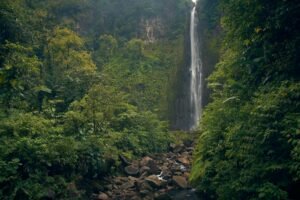
Chutes du Carbet Waterfalls
A series of striking waterfalls within the national park. The second fall (about 30-45 min hike from the car park) is the most accessible and still impressive. Trails are muddy and rooted — wear real shoes, not sandals.
5
Fort Delgrès
A 17th-century French colonial fort perched above the sea at the edge of town. Well-preserved, historically significant — it is named for the Guadeloupean soldier who died there resisting Napoleon's reimposition of slavery in 1802. Small museum inside. Easy walk from port.
Show 2 more things to do in Basse-Terre
6
Basse-Terre Covered Market and Town Center
The central market sells local produce, spices, rum, and crafts. The surrounding blocks have a real small-city French-Caribbean feel — bakeries, a cathedral, and rum shops. Good for a casual hour if your time is limited.
7
Parc National de la Guadeloupe — Scenic Drive via Route de la Traversée
This cross-island road cuts through the dense tropical rainforest of the national park. Even without hiking, the drive is stunning — tree ferns, bamboo groves, and viewpoints. Combine with a short forest walk or a stop at the Maison de la Forêt visitor center.
Book with the ship, or on your own?
Booking independently
- Often noticeably cheaper than the ship’s version of the same tour.
- Smaller groups and local operators, with traveler reviews you can read before you pay.
- Free cancellation on most tours, usually up to 24 hours before.
When the ship’s excursion makes sense
- Short port calls or long transfers where the timing is tight.
- Tender-only stops where getting ashore can run late.
- The ship waits for its own delayed excursions — it won’t wait for independent ones, so leave a buffer before all-aboard.
Going independent? Compare tours in Basse-Terre → — the best-reviewed ones sell out first.
We may earn a commission when you book through our links, at no extra cost to you — it’s how we keep these guides free.
Quick Take
- Port Type
- Nature & History Port
- Best For
- Travelers who want rainforest hiking, volcanic scenery, or a quiet Caribbean town with real local character
- Avoid If
- You want a beach lounger day steps from the ship or a polished resort strip
- Walkability
- Moderate — the town of Basse-Terre is walkable but compact and hilly; major attractions require transport
- Budget Fit
- Mid-range; independent travel is very doable but renting a car or hiring a driver adds up
- Good For Short Calls?
- Yes for the town and fort; no for the volcano or deep rainforest without an early, efficient start
Port Overview
Basse-Terre is the administrative capital of Guadeloupe and sits on the western lobe of this butterfly-shaped French overseas territory. Ships dock at the commercial port, which is functional rather than scenic — you will not step off into a gleaming cruise village. The real draw is what surrounds the town: the active La Soufrière volcano, the lush Parc National de la Guadeloupe, cascading waterfalls, and a coastline that has not been scrubbed clean for tourists.
The town itself is small and walkable with a colonial French character — covered market, a cathedral, colorful streets, and the 17th-century Fort Delgrès overlooking the sea. It is quiet, occasionally sleepy, and feels like a real place rather than a set built for cruise passengers. That is either a feature or a bug depending on what you want.
Basse-Terre is not a beach day port from this side of the island. The volcanic west coast has darker sand and rougher conditions. If beaches are your priority, the better ones are a significant drive away or over on the Grande-Terre side, which is a different island half entirely. Be honest with yourself about that trade-off before you book.
Is It Safe?
Basse-Terre is generally safe for tourists during daylight hours. Standard Caribbean precautions apply: do not flash expensive gear, stay aware in quieter backstreets near the port, and keep your ship departure time clearly in mind if hiring independent transport. The volcano is active — La Soufrière has had elevated activity in recent years. Check current status from the Guadeloupe Observatory before heading up; the trail to the summit crater is occasionally restricted. This is a real volcano, not a theme park attraction, so take closures seriously.
Accessibility & Walkability
The town center has flat stretches but also uneven pavement and slopes that make wheelchair navigation difficult in places. Fort Delgrès involves steps and uneven ground. The national park trails are largely inaccessible for mobility-limited visitors — terrain is steep, rooted, and wet. Cruisers with limited mobility are best served staying in town or arranging a scenic drive through Saint-Claude without committing to hikes.
Outside the Terminal
The port itself is a working commercial dock — nothing pretty right at the gate. Taxis line up quickly when ships are in. There is a small welcome area but no sprawling cruise shopping village. Within five minutes of walking you will be on real streets. The town market and main square are about 10-15 minutes on foot heading north along the waterfront. It feels authentic from the start, which is refreshing if you are used to contrived cruise-port retail strips.
Beaches Near the Port
Grande Anse
Dark volcanic sand beach about 8 km north of the port, with calm enough water for swimming and a few food stalls. It is not a postcard white-sand Caribbean beach but it is genuine and rarely overrun.
Plage de Malendure
On the western coast near Bouillante, this is the main base for diving and snorkeling around the Cousteau Reserve. The beach itself is modest but the underwater access is the best near Basse-Terre.
Local Food & Drink
Basse-Terre eats well if you go local. The market area has vendors selling accras (salt cod fritters), boudin créole, and fresh fruit. Sit-down restaurants near the central square offer full Creole meals — stewed meats, rice and peas, plantain — for reasonable prices compared to other Caribbean stops. Budget $12-20 USD for a proper lunch with a local Lorraine beer or a punch vieux (aged rum cocktail). There is a French bakery culture here too; grab a pain au chocolat and a coffee without guilt. Skip anything marketed aggressively at tourists near the dock — quality drops and prices rise.
Shopping
The market is your best bet for local spices, vanilla, rum, and small crafts. Town center shops sell French goods at roughly French prices — good for perfume or wine if that appeals. There is no dedicated cruise shopping district, which is either refreshing or frustrating. Guadeloupe rum (rhum agricole) is worth taking home — local bottles start around $15-25 USD and are genuinely distinct from mass-market Caribbean rum.
Money & Currency
- Currency
- Euro (EUR)
- USD Accepted?
- No
- Card Payments
- Widely accepted at restaurants and shops in town; some market vendors and rural spots are cash only
- ATMs
- Several ATMs in central Basse-Terre dispensing euros
- Tipping
- Not mandatory in French custom; rounding up or leaving 5-10% at restaurants is appreciated
- Notes
- Guadeloupe is French territory — prices feel more European than Caribbean. Budget accordingly.
Weather & Best Time
- Best months
- January through April — drier, lower humidity, cooler temperatures
- Avoid
- August through October (hurricane season; also wetter and more humid)
- Temperature
- 26-30°C (78-86°F)
- Notes
- The Basse-Terre side is wetter than Grande-Terre due to the mountains — bring a light rain layer if heading into the national park or up the volcano regardless of forecast.
Airport Information
- Airport
- Guadeloupe Pôle Caraïbes International Airport (PTP)
- Distance
- Approximately 35-40 km north, near Pointe-à-Pitre on Grande-Terre
- Getting there
- Taxi is the practical option; journey takes 45-60 minutes depending on traffic
- Notes
- The airport is on the other island half. If you are flying in before your cruise, plan extra time for the drive and potential bridge traffic.
Getting Around from the Port
Taxi
Most practical option for reaching the volcano, waterfalls, or beaches. Drivers often speak some English and can act as informal guides. Negotiate a half-day rate before you get in.
Book a transfer 5% off with code TPO5 at checkoutRental Car
Best value for groups of 3-4 who want full flexibility. Pick-up offices are close to the port. Roads are well-maintained and French-standard.
Local Bus (Jitney)
Cheap shared minibuses run routes around the island but schedules are informal and routes require local knowledge.
Book bus ticketsOn foot
The town center and Fort Delgrès are walkable from the dock. Beyond that, distances and heat make walking impractical.
Details last checked April 2026
Check The Port Traffic
Cruise Ships in Port
Once you have your shore plan, use the schedule to see how busy the harbour will be on your date, plus the ships, lines, and published call windows.
Sun
Mon
Tue
Wed
Thu
Fri
Sat
1
2
3
4
5
6
7
8
9
10
11
12
13
14
15
16
17
18
19
20
21
22
23
24
25
26
27
28
29
30
31
Quiet (1–2)
Busy (3–4)
Packed (5+)
0 scheduled calls
August 4, 2026
No scheduled cruise ship calls were found for this date selection. Pick a highlighted day on the calendar above, widen the range, or search for a different ship or line.
Planning a cruise here?
Carnival Cruise Line, Royal Caribbean, Disney Cruise Line & more sail to Basse-Terre.
Practical Tips for Cruise Passengers
- Book your car rental before arrival if possible — availability is limited on active cruise days and rates rise on the dock.
- Check the La Soufrière Observatory website for current volcanic activity alerts before committing to a summit hike; the upper trail closes periodically.
- Bring proper hiking shoes and a rain jacket for any national park activity — trails are wet and rooted year-round.
- The port town is quiet and can feel underwhelming if you arrived expecting a buzzing beach strip — adjust expectations and lean into the nature angle instead.
- French is the working language; basic phrases go a long way and locals noticeably warm up when you try.
- Give yourself a genuine buffer before all-aboard — the drive back from the volcano or waterfalls can run long with traffic or a slow guide.
Frequently Asked Questions
Fort Delgrès and the town market are walkable in 10-20 minutes. Everything else — the volcano, waterfalls, and national park — requires a taxi, rental car, or organized tour.
Yes, strongly, if you want nature and something that feels genuinely Caribbean rather than resort-packaged. If you want a beach day or duty-free shopping, it is the wrong port for that.
Allow 45-60 minutes by car to the Saint-Claude trailhead, then 2-3 hours for the hike up and back. Budget a full day or at least 5-6 hours total.
It is manageable for reasonably fit walkers — the trail is well-marked but steep and often slippery. Check current activity status before going; the upper crater area is occasionally restricted due to sulfur emissions.
You need euros — Guadeloupe is French territory and USD is not accepted. Use an ATM in town or exchange before arrival.
Find cruises to Basse-Terre, Guadeloupe
Compare sailings and book with no fees — best price guaranteed.
We may earn a commission when you book through our links, at no extra cost to you — it’s how we keep these guides free.
✉ Sailing to Basse-Terre? Get your port-day plan
Tell us your sail date and we’ll email you a short Basse-Terre plan about 60 days out — when the good excursions start selling out — plus a final checklist 2 weeks before. Two emails, then done. Unsubscribe anytime.
Caribbean
View All
More Caribbean Ports

Caribbean

Caribbean
Caribbean
