MS Fridtjof Nansen
Arrive 10:30 AM | Depart 06:00 PM
Itinerary: 24 Nights Arctic Cruise (24 nights)
Canada
Ships anchor offshore; tender boats required to reach shore.
Beechey Island lies in the Canadian Arctic Archipelago (Nunavut) and is one of the most historically significant polar exploration sites in North America. It was a wintering site for the ill-fated Franklin Expedition (1845–1848), and three crew members are buried here alongside a cairn monument erected in 1853. Ships anchor offshore and tender passengers ashore to a small rocky beach.
This is not a town or settlement—it is an uninhabited, protected archaeological and historical site. There are no shops, restaurants, hotels, or services beyond what your expedition cruise provides. The landscape is raw Arctic tundra: sparse vegetation, permafrost, extreme cold, and relentless wind. Most visits last 2–4 hours and are weather-dependent; conditions can force cancellation with little notice.
Beechey Island attracts serious polar history enthusiasts, photographers, and expedition cruisers. If you're taking a Silversea, Seabourn, Quark, Hurtigruten, Ponant, or Lindblad Arctic voyage, Beechey is often a flagship stop. Independent exploration is possible if you land ashore, but guided walks with expedition staff are safer and far more informative.
Visit the three graves of Franklin Expedition crew members (John Hartnell, William Braine, Thomas Morgan) and the 1853 memorial cairn erected by the HMS Investigator. This is Beechey's primary historical attraction and reason most cruisers come ashore. Guided walks include context on the expedition's 1845 departure, its fate (ship entrapment and crew death from disease, starvation, and scurvy), and the decades-long search for survivors.
⚡ Popular — books out early. Reserve before you sail.
Beechey is home to nesting seabirds (guillemots, kittiwakes, fulmars), Arctic foxes, and occasionally polar bears. In summer, bird colonies are active on cliffs. Bring binoculars and a camera. Guides on paid excursions will identify species and explain Arctic ecology. Independent exploration is possible but less rewarding without expert knowledge.
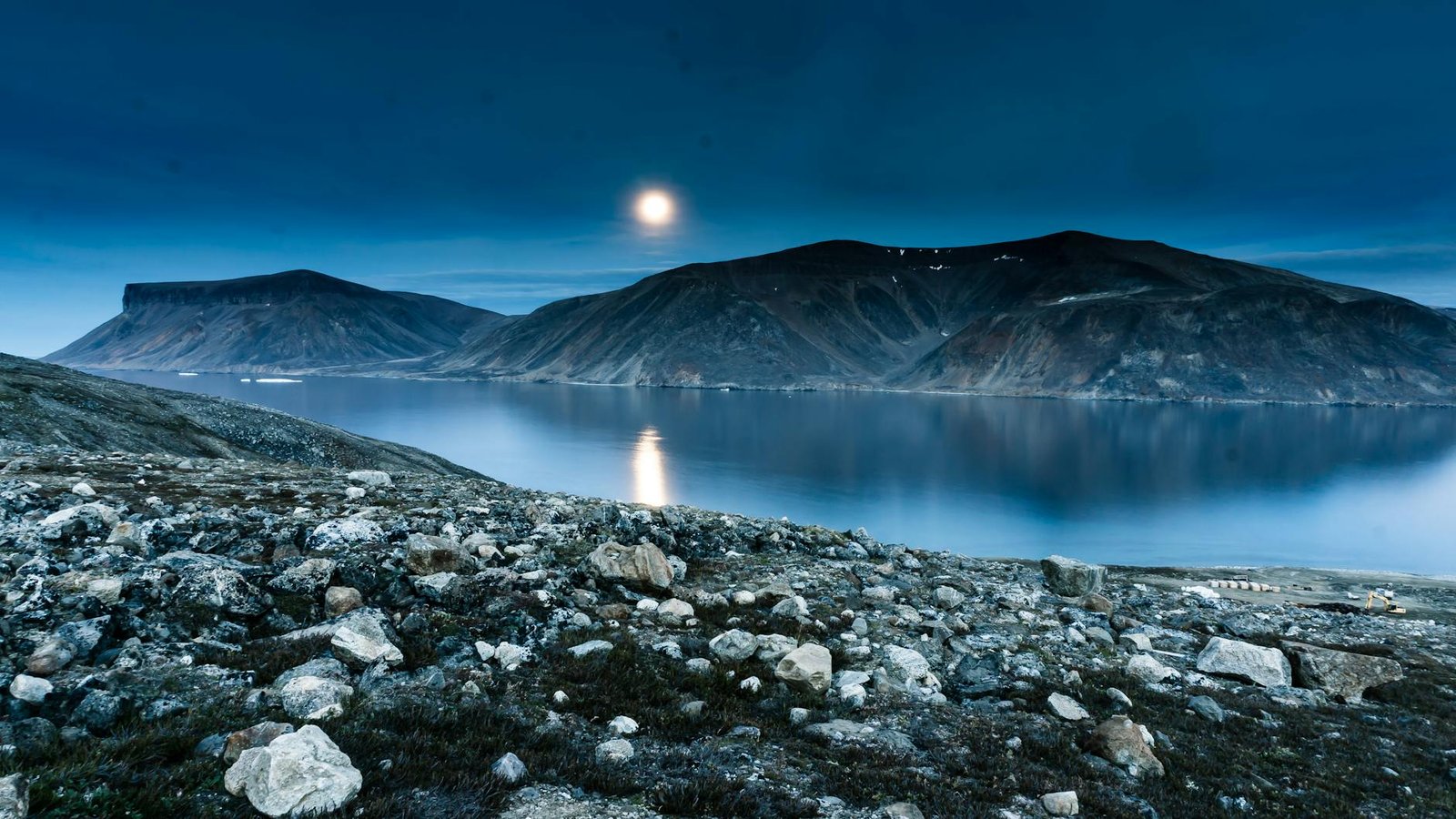
Walk along the rocky shore, collect small pebbles or driftwood (check regulations; some artifacts are protected), and photograph the stark Arctic landscape. The light is intense in summer months (nearly 24-hour daylight June–July). The scenery is dramatic but austere; it appeals to those seeking raw, unmanicured beauty rather than typical beach aesthetics.
The island supports low-growing Arctic plants: lichen, moss, dwarf willow, Arctic poppy, and saxifrage. In summer, some flowering occurs. A short walk inland reveals the fragility and starkness of the polar ecosystem. Guides discuss adaptation to permafrost and extreme conditions.
Book with the ship, or on your own?
Booking independently
When the ship’s excursion makes sense
We may earn a commission when you book through our links, at no extra cost to you — it’s how we keep these guides free.
Beechey Island is remote and harsh. Weather is the primary hazard: sudden fog, wind, and cold can isolate you quickly. Tender operations may be cancelled or delayed without warning. Always stay in visual contact with your group or guides. Terrain is uneven and can be muddy or icy; twisted ankles are common. There are no rescue services on the island itself; your ship is the only backup. Hypothermia is a real risk if you get wet or stay outside too long; dress in full expedition gear (provided by most cruise lines). Wildlife (birds, arctic foxes, occasional bears) is present but wary; observe from a distance and follow guide instructions. There are no medical facilities ashore; inform staff of any health concerns before landing.
Beechey Island is not wheelchair-accessible. The beach landing involves stepping into a tender from a rope ladder or gangway, then navigating rocky, uneven tundra. Mobility is limited to short walks on rough ground. Passengers with severe mobility impairment should consult with their cruise line in advance; many cannot safely land. There are no paved paths, handrails, or facilities. If you land independently, the terrain is treacherous; guided excursions may have staff who can assist slower walkers, but pace and distance are set by the group.
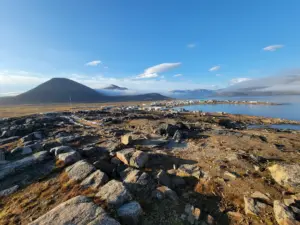
There is no terminal. Upon landing via tender, you step onto a rocky, often wet beach scattered with loose stones and sparse vegetation. Wind is typically brisk or strong. The landscape is barren tundra stretching inland with low dwarf willows and lichen. To your left or right, depending on landing spot, are the historical graves and cairn monument. The first 10 minutes often involve organizing with guides (if on a paid excursion) or orienting yourself to the marked path. The smell is fresh Arctic air—cold and clean. There are no buildings, people, or signs of habitation. It feels genuinely remote and timeless.
Not a swimming beach. The coastline is rocky and pebbly with cold, often turbulent water. It serves as the landing and exploration area. The shore is stark and windswept, ideal for photographs and wildlife viewing, not sunbathing or recreation.
There are no restaurants, cafes, or food vendors on Beechey Island. All meals are provided by your expedition cruise ship. If you land ashore, bring water and snacks from your cabin. The landing is typically brief (2–4 hours), so most cruisers eat breakfast before tendering and return aboard for lunch. Some expedition cruises offer packed lunches or hot drinks to take ashore; check with your cruise line. Do not expect to find or forage food on the island.
There is no shopping on Beechey Island. No stores, gift shops, or vendors operate here. If you want souvenirs or Arctic-themed items, purchase them aboard your cruise ship or at a larger port (e.g., Resolute, Cambridge Bay) earlier in your voyage. Some cruisers bring small books on polar history or natural history to read before or after their visit ashore.
Your vessel anchors offshore. Tender boats ferry passengers to the rocky beach in groups. Expect 10–30 minute boat ride depending on sea state and wind.
Book ferry ticketsOnce ashore, exploration is on foot only. No roads, vehicles, or infrastructure. Most cruisers follow marked paths to graves and cairn or walk along the beach.
Most cruise lines offer guided historical and wildlife walks led by expedition staff. These are highly recommended for context and safety.
Details last checked April 2026
Check The Port Traffic
Once you have your shore plan, use the schedule to see how busy the harbour will be on your date, plus the ships, lines, and published call windows.
Arrive 10:30 AM | Depart 06:00 PM
Itinerary: 24 Nights Arctic Cruise (24 nights)
Planning a cruise here?
HX Expeditions, Silversea Cruises sail to Beechey Island.
Swimming is not possible; water is near-freezing and dangerous. Kayaking may be offered by some cruise lines as an optional excursion; ask your cruise operator. Independent kayaking is not permitted.
Cancellations are common. Your ship will wait offshore or move to a nearby alternative site if conditions improve. You will not receive a refund; expedition cruises explicitly account for weather risk. Flexibility is essential.
Most landings last 2–4 hours. Weather and ship operations dictate timing. Plan for a quick return to the vessel at any time. This is not a port where you can wander all day; it's a tightly managed historical and wildlife visit.
Find cruises to Beechey Island, Canada
Compare sailings and book with no fees — best price guaranteed.
We may earn a commission when you book through our links, at no extra cost to you — it’s how we keep these guides free.
Tell us your sail date and we’ll email you a short Beechey Island plan about 60 days out — when the good excursions start selling out — plus a final checklist 2 weeks before. Two emails, then done. We’ll send one note to confirm it’s really you — unsubscribe anytime.