South America
South America
Blanquilla Island Cruise Port Guide: Things to Do & Practical Tips
Venezuela
Ships anchor offshore; tender boats required to reach the beach.
Choose the Right Port Day
Best Overall
Tender ashore and snorkel the reef and drop-off just offshore; this is why the island is on the itinerary.
Best Beach
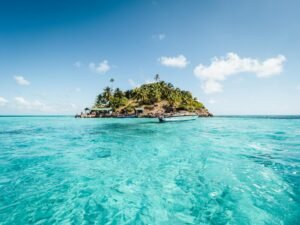
Blanquilla's main beach (the only developed landing point)—clear water, white sand, calm anchorage side.
With Kids
Supervised beach time and shallow snorkeling in the lagoon; bring floaties and monitor water conditions closely.
Only 3-4 Hours
Tender ashore, swim and snorkel off Blanquilla's main beach, return to ship. Bring sunscreen and water.
Cheapest Option
Beach access and swimming are free once tendered ashore. Skip paid excursions; snorkel from the beach itself ($0).
What To Avoid
Do not expect shops, food vendors, or services. No ATM or post-port dining. Avoid if seas are rough—tendering can be suspended.
Top Things To Do
1
Reef snorkeling
Snorkel directly offshore from the main beach where a coral reef and drop-off lie 50–200 meters from shore. Water is clear (60–80 feet visibility on calm days), and you may see angelfish, parrotfish, grouper, rays, and octopus.
⚡ Popular — books out early. Reserve before you sail.
2
Beach and wildlife observation
Swim, sunbathe, and watch for seabirds (frigatebirds, boobies, herons). The island is a protected seabird sanctuary; early morning or late afternoon often yields sightings. Beachcomb for shells and take photographs of the pristine setting.
3
Guided island walk or kayaking (ship-offered)
Some small-ship lines offer ranger-led 45–90 minute walks explaining the ecosystem and wildlife, or guided sea-kayak excursions along the shoreline. Availability varies by cruise line and schedule.
Book with the ship, or on your own?
Booking independently
- Often noticeably cheaper than the ship’s version of the same tour.
- Smaller groups and local operators, with traveler reviews you can read before you pay.
- Free cancellation on most tours, usually up to 24 hours before.
When the ship’s excursion makes sense
- Short port calls or long transfers where the timing is tight.
- Tender-only stops where getting ashore can run late.
- The ship waits for its own delayed excursions — it won’t wait for independent ones, so leave a buffer before all-aboard.
We may earn a commission when you book through our links, at no extra cost to you — it’s how we keep these guides free.
Quick Take
- Port Type
- Expedition anchorage island
- Best For
- Nature lovers, snorkelers, wildlife watchers, small-ship cruisers seeking remote Caribbean
- Avoid If
- You need shops, restaurants, nightlife, or comfort infrastructure
- Walkability
- Not applicable—mostly natural beach and tender access
- Budget Fit
- Low cost if you use beach and included shore excursions; snorkeling trips cost extra
- Good For Short Calls?
- Yes; 4-6 hours on island is typical and sufficient
Port Overview
Blanquilla is a tiny, uninhabited Venezuelan island lying 70 miles (113 km) northeast of the mainland, accessible only by ship or private boat. Ships anchor offshore and tender passengers to the main beach—there is no port infrastructure, town, or permanent settlement. The island is a nature reserve protected for seabird and wildlife habitat; it appears on luxury small-ship itineraries (Seabourn, Windstar, Regent, Silversea, Lindblad) primarily as a snorkeling and beach day.
The appeal is simplicity and pristine Caribbean conditions: calm, clear water ideal for reef snorkeling, minimal crowds, and a genuine wilderness feel. There is no freshwater, no food service, no shops, and no medical facility beyond ship-based care. Ashore time is typically 4–6 hours in morning or afternoon, and activities are self-directed swimming, snorkeling, and beachcombing.
Is It Safe?
Blanquilla is remote and pristine but not lawless. The island itself is uninhabited and safe during official shore hours. However, anchoring in Venezuelan waters carries geopolitical risk; the situation onshore (mainland Venezuela) is unstable, and piracy, though rare, has been a regional concern. Your ship will coordinate with local authorities and follow strict security protocols. During your tender time on the beach, stay within designated areas and follow crew direction. Do not stray inland or attempt to explore beyond the main landing beach. Hazards on the beach include rocky terrain, sea urchins, and strong sun; wear reef shoes and sunscreen.
Accessibility & Walkability
Beach access is via tender and depends on sea conditions and your mobility. Tendering can be challenging for wheelchair users or those with limited mobility; discuss with guest services before your port day. The beach itself is natural sand and rock with no paved paths, ramps, or facilities. If mobility is a concern, confirm tendering feasibility with your ship medical or accessibility team 24 hours before.
Outside the Terminal
There is no terminal. Upon tendering ashore, you step onto a natural beach with white sand and scattered rocks. A crew member or local guide may greet the tender group; follow their direction to the designated beach area. You will see your tender boat pulled up on shore and crew stationed to assist. Beyond the beach, there is no built environment—only vegetation and natural terrain. Your only service point is a shade structure (if provided by the ship) and a rope barrier marking the permitted beach zone.
Beaches Near the Port
Blanquilla main landing beach
The only accessible beach and the sole tender landing point. White sand, clear turquoise water, calm in normal conditions due to the anchorage side of the island. Gradually shelving, shallow enough for safe snorkeling entry. Rock outcroppings provide shade and visual interest.
Local Food & Drink
There is no food service on the island. No restaurants, food carts, or vendors exist. Some ships may offer a beach picnic as part of a shore excursion; confirm with your cruise line beforehand. Bring snacks, fruit, and plenty of fresh water in your day bag. Many cruisers eat lunch onboard before tendering ashore and have a light snack (energy bar, fruit) during beach time. The ship galley will be open for lunch, and you can return aboard to dine if your port time permits.
Shopping
There is no shopping on Blanquilla Island. No gift shops, artisan stalls, or markets. If you wish to purchase souvenirs, do so at previous or upcoming ports. The island is a nature reserve and has no commercial activity.
Money & Currency
- Currency
- Venezuelan Bolívar Fuerte (VEF)
- USD Accepted?
- No
- Card Payments
- Not applicable—no vendors or services on island
- ATMs
- None on island; ATMs extremely scarce in remote areas
- Tipping
- Not applicable
- Notes
- Bring sufficient cash USD for any future mainland mainland purchases, but you will not spend money on Blanquilla. Exchanging currency in Venezuela is complex and not advisable for short-term cruisers; use the ship's purser for any currency questions.
Weather & Best Time
- Best months
- December–April (dry season, calm seas, lower hurricane risk)
- Avoid
- September–November (peak hurricane season; rough seas can suspend tendering)
- Temperature
- 75–85°F (24–29°C) November–April
- Notes
- Tendering is weather-dependent; rough seas or high wind can delay or cancel beach access. Bring reef shoes, sunscreen (SPF 50+), hat, and rash guard. UV exposure is intense in the tropics.
Airport Information
- Airport
- Juan Manuel Díaz Airport (PMV), Margarita Island
- Distance
- Approximately 85 miles (137 km) west; inaccessible from Blanquilla without returning to mainland
- Getting there
- None directly from Blanquilla; this is not a pre-cruise or post-cruise embark/disembark port for most itineraries
- Notes
- Blanquilla is a port call only during cruise itineraries; cruisers typically embark/disembark at ports on the mainland (Margarita, Araya, or Puerto de los Andes). Check your cruise documents for official boarding and departure ports.
Getting Around from the Port
Tender boat (ship-provided)
Your only way to reach the island. Ships anchor offshore and operate small tenders (lifeboats or inflatables) ferrying passengers to the main beach in staggered groups.
Book ferry ticketsShore excursion (optional paid snorkel or kayak trips)
Some ships offer guided reef snorkeling, kayaking, or island walks. Check your cruise documentation for offerings.
Details last checked April 2026
Check The Port Traffic
Cruise Ships in Port
Once you have your shore plan, use the schedule to see how busy the harbour will be on your date, plus the ships, lines, and published call windows.
Sun
Mon
Tue
Wed
Thu
Fri
Sat
1
2
3
4
5
6
7
8
9
10
11
12
13
14
15
16
17
18
19
20
21
22
23
24
25
26
27
28
29
30
31
Quiet (1–2)
Busy (3–4)
Packed (5+)
0 scheduled calls
August 10, 2026
No scheduled cruise ship calls were found for this date selection. Pick a highlighted day on the calendar above, widen the range, or search for a different ship or line.
Planning a cruise here?
Seabourn, Windstar Cruises, Regent Seven Seas Cruises & more sail to Blanquilla Island.
Practical Tips for Cruise Passengers
- Bring reef shoes, snorkel gear (or rent from ship), high-SPF sunscreen, and 2–3 liters of fresh water in your day bag; there is no freshwater source or shade structure on the island.
- Arrive at the tender queue early; lines can be long on days with calm seas and full tendering, and tender capacity is limited.
- Wear a rash guard or UV-protective swimwear; the sun is intense, and reef cuts can become infected in tropical climates.
- Do not bring valuables ashore; leave passports, excess cash, and jewelry in your cabin safe. Tender rides are brief; a small waterproof bag is sufficient for essentials.
Frequently Asked Questions
No. Blanquilla is a protected wildlife reserve with no lodging or settlement. Your ship is your sole accommodation and transport; you must return aboard before departure.
Yes, the water is clean and safe for swimming. Watch for sea urchins and sharp rocks; wear reef shoes. Snorkeling is safe in designated areas, though strong currents can occur; check with crew for safe zones.
If seas are too rough, the ship will not tender ashore, and you remain aboard. There is no alternative port or compensation; weather delays are part of expedition cruising in the Caribbean.
Find cruises to Blanquilla Island, Venezuela
Compare sailings and book with no fees — best price guaranteed.
We may earn a commission when you book through our links, at no extra cost to you — it’s how we keep these guides free.
✉ Sailing to Blanquilla Island? Get your port-day plan
Tell us your sail date and we’ll email you a short Blanquilla Island plan about 60 days out — when the good excursions start selling out — plus a final checklist 2 weeks before. Two emails, then done. We’ll send one note to confirm it’s really you — unsubscribe anytime.
South America
View All
More South America Ports

South America

South America

South America