Africa & Middle East
Africa & Middle East
Boa Vista Cruise Port Guide: Things to Do & Practical Tips
Ships anchor offshore; tender boats required to reach the port.
Choose the Right Port Day
Best Overall
Combine a short tender visit to Sal Rei with a half-day organized excursion to Praia de Chaves or a turtle conservation site. Balances culture, nature, and reasonable cost.
Best Beach
Praia de Chaves (Chaves Beach)—long, mostly empty stretch on the west coast. Calm, scenic, best reached by organized excursion or hire boat (~$30–50 USD per person).
With Kids
Visit the sea-turtle project in Sal Rei (usually walkable from tender dock or short taxi ride). Kids enjoy seeing nesting areas and hatchlings seasonally (May–October). Low crowds, educational.
Only 3-4 Hours
Take a tender to Santa Maria village, walk the main street, grab lunch at a local café, and return. Budget 3.5 hours total with tender time.
Cheapest Option
Tender to Sal Rei (~$15–25 USD return), explore town on foot, eat at a local market café (~$5–10 USD for lunch), return by tender. Total under $40 USD.
What To Avoid
Avoid expecting significant shopping or dining diversity. Don't assume ATMs are reliable; carry cash. Skip overpriced resort-style excursions; local guides and informal boat hires are far cheaper and more authentic.
Top Things To Do
1
Boa Vista Buggy Tour: Santa Monica & South Desert (4-Hour)
The most unique and fun way to discover Boa Vista! Jump on board our powerful 1000cc Buggies and get ready for an exciting tour around the…
Book on Viator2
Boa Vista Buggy Tour: Shipwreck & Viana Desert (2-Hour)
The most unique and fun way to discover Boa Vista! Jump on board our powerful 1000cc Buggies and get ready for an exciting tour around the…
Book on Viator3
Guided turtle tour in a group in Boa Vista
This excursion is a must for guests visiting Boavista from July to October!! Starting in November, we offer the tour to see slipperies and bring them…
Book on Viator4
4WD Boa Vista group day tour south and north with sandboarding
Travel with us in a small group and experience an incomparable tour of the island with perfect service! No tourist rip-offs! We plan individually and pass…
Book on Viator5
Boa Vista 4x4: Sharks, Turtles, Caves, Sandboard & Tasting tour
Explore the beautiful landscapes of Boa Vista on our half-day tour. Experience sandboarding on the Morro de Arreia sanddunes, and get up close with turtles and…
Book on ViatorBook with the ship, or on your own?
Booking independently
- Often noticeably cheaper than the ship’s version of the same tour.
- Smaller groups and local operators, with traveler reviews you can read before you pay.
- Free cancellation on most tours, usually up to 24 hours before.
When the ship’s excursion makes sense
- Short port calls or long transfers where the timing is tight.
- Tender-only stops where getting ashore can run late.
- The ship waits for its own delayed excursions — it won’t wait for independent ones, so leave a buffer before all-aboard.
Going independent? Compare tours in Boa Vista → — the best-reviewed ones sell out first.
We may earn a commission when you book through our links, at no extra cost to you — it’s how we keep these guides free.

Quick Take
- Port Type
- Small expedition port
- Best For
- Expedition cruisers, nature lovers, those seeking low-key authenticity and turtle nesting sites.
- Avoid If
- You need multiple restaurants, nightlife, shopping, or significant infrastructure.
- Walkability
- Port area is walkable but scattered; town center is ~1 km from anchorage. Unpaved roads inland. Very limited sidewalks.
- Budget Fit
- Budget-friendly. Few commercial operators; main cost is transport to town or organized excursions.
- Good For Short Calls?
- Good for 4-6 hours. Full island exploration requires a full day or overnight.

Port Overview
Boa Vista is a small, arid island in the Cape Verde archipelago, roughly 965 km west of Senegal. Ships anchor off Sal Rei, the main settlement, and use tender boats to land. This is a low-infrastructure port with minimal commercial tourism—you'll find no cruise-terminal building, no organized tour booths, and little English spoken outside the port area. The island is known for pristine beaches, sea-turtle conservation efforts, and authentic Cape Verdean culture largely untouched by cruise tourism. Most visitors on large cruises don't go ashore; those who do are usually on small-ship expedition itineraries (Ponant, Lindblad, Hurtigruten, Seabourn, Windstar) and tend to join pre-arranged excursions. For a solo cruiser with a port day, Boa Vista rewards patience and a willingness to navigate informally. It's not a destination for shopping, dining variety, or nightlife; it's a place to see raw island life and natural beauty.

Is It Safe?
Boa Vista is one of the safer islands in Cape Verde. Violent crime against tourists is rare. Petty theft (bags, cameras) is a minor risk in Sal Rei, especially around the landing area and market. Keep valuables out of sight and avoid walking alone at night. The main hazard is the informal nature of the port: no organized infrastructure, inconsistent tender access, and limited emergency services. Health care is basic; serious medical issues require evacuation to the mainland. Water is desalinated and generally safe, but stick to bottled water if you're cautious. The sea can be rough; swells make tender landings uncomfortable or occasionally dangerous, particularly October–March.

Accessibility & Walkability
The port has no accessibility infrastructure. Tenders are accessed by ladders or steps from the ship, and disembarkation is onto sandy beach—not suitable for wheelchairs or those with mobility limitations. Sal Rei's main street is mostly unpaved and uneven. There are no accessible restrooms, disabled parking, or level walking paths. Visitors with reduced mobility should book an organized excursion with a guide who can assist, or skip the port. Steep terrain and heat make this port challenging for anyone with heat sensitivity or limited endurance.

Outside the Terminal
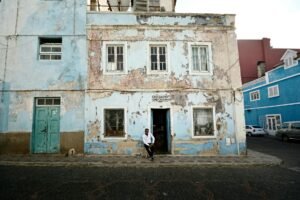
After tendering ashore, you'll land on a sandy beach fronting a small cluster of colorful houses and shops. The beach is often quiet, sometimes with fishermen and locals. There is no formal port building or tourist office. The main street of Sal Rei stretches inland with small restaurants, a market, and a few guesthouses. The atmosphere is very low-key and somewhat ramshackle—you'll see goats, dust, patchy infrastructure, and minimal English signage. English is rarely spoken; a few younger residents or shop owners may have basic phrases. The first 10 minutes feel disorienting if you expect a polished cruise port; embrace the authenticity and move slowly.

Beaches Near the Port
Praia de Chaves (Chaves Beach)
Long, sweeping sandy beach with calm, clear water. Very few people. Snorkeling possible. No facilities, restaurants, or shade. Bring water, sun screen, and a hat. Often accessed via organized excursion.
Praia de Sal Rei (main town beach)
Sandy beach adjacent to Sal Rei village. Small, working beach with fishing boats. Not a resort beach; mostly for locals. Some informal beach shacks serve drinks and light food. Calm in good weather.

Local Food & Drink
Dining in Boa Vista is very simple and informal. Sal Rei has a handful of small cafés and restaurants serving local Cape Verdean food: cachupa (maize and bean stew), grilled fish, rice, and fresh fruit. Prices are low ($5–12 USD for a meal). Expect slow service, no menus, and limited English. Beach shacks near the landing offer drinks, light snacks, and grilled fish. Hygiene is basic; eat where locals eat. Bring snacks and water if you're picky or have dietary restrictions—options are limited. Fresh fruit (papaya, banana, mango) is available at the market and very cheap. No supermarkets, chain restaurants, or Western fast food.

Shopping
Sal Rei has a small market and a few craft shops selling sarongs, shell jewelry, and local woven goods. Prices are low and negotiable. Quality is mixed; items are mostly souvenirs. No major retail, electronics, or brands. Most cruisers skip shopping here; there's little unique to find and it feels touristy even at this small scale. A market stroll is worth 20 minutes for atmosphere, but don't expect to find specific items.
Money & Currency
- Currency
- Cape Verdean Escudo (CVE)
- USD Accepted?
- Yes
- Card Payments
- Very limited. A few larger restaurants or hotels may accept cards, but expect cash-only. No chip readers; swipe or manual entry only.
- ATMs
- One or two ATMs exist in Sal Rei, but they are unreliable and often out of service. Bring enough USD cash for your entire port visit.
- Tipping
- Tipping is not expected but appreciated. Round up a meal or add 5–10% if service is good. Informal guides and boat operators appreciate small cash tips.
- Notes
- Bring USD in small bills ($1, $5, $10). Exchange rates favor USD. Do not rely on ATMs or cards. Inform your bank of travel to avoid card blocks.
Weather & Best Time
- Best months
- November to March (dry, cooler, 70–80°F / 21–27°C)
- Avoid
- August to October (hottest, occasional rain, swells make tendering rough)
- Temperature
- 75–85°F / 24–29°C
- Notes
- Boa Vista is arid year-round with minimal rainfall. Harmattan winds blow November–March (dry, dusty, cooler). Sea swells are heaviest October–March, making tender access unpredictable. Best cruising is November–March.
Airport Information
- Airport
- Boa Vista International Airport (BVC)
- Distance
- ~7 km south of Sal Rei
- Getting there
- Taxi from airport to Sal Rei (~$15–20 USD). Rental cars available but rarely used by cruise passengers. Most cruise itineraries do not use the airport as an embarkation point.
- Notes
- Small regional airport serving inter-island and occasional international flights. Not a primary cruise embarkation hub.
Getting Around from the Port
Tender boats
Ships anchor offshore and tender passengers to Sal Rei beach. Tenders operate intermittently and can be prone to delays due to swells. No fixed tender dock; landings are often by inflatable boats.
Book ferry ticketsTaxi or informal car hire
Taxis are not metered and are rare in Sal Rei. Negotiate price upfront. Some organized excursions include transport; otherwise, agree rates in advance with drivers found near the tender landing.
Book a transfer 5% off with code TPO5 at checkoutOrganized shore excursions
Cruise lines and local operators offer curated excursions (turtle sites, beach, snorkeling, island tours). Usually booked on-ship or via concierge. Small-ship cruise lines (Windstar, Lindblad, Ponant, Seabourn) often include excursions.
On foot
Sal Rei town center is walkable from the tender landing (~15–20 minutes). Beyond town, the island is very quiet with minimal traffic. Roads are unpaved and dusty.
Details last checked April 2026
Check The Port Traffic
Cruise Ships in Port
Once you have your shore plan, use the schedule to see how busy the harbour will be on your date, plus the ships, lines, and published call windows.
Sun
Mon
Tue
Wed
Thu
Fri
Sat
1
2
3
4
5
6
7
8
9
10
11
12
13
14
15
16
17
18
19
20
21
22
23
24
25
26
27
28
29
30
31
Quiet (1–2)
Busy (3–4)
Packed (5+)
0 scheduled calls
July 7, 2026
No scheduled cruise ship calls were found for this date selection. Pick a highlighted day on the calendar above, widen the range, or search for a different ship or line.
Planning a cruise here?
Ponant, Saga Cruises, Fred. Olsen Cruise Lines & more sail to Boa Vista.
Practical Tips for Cruise Passengers
- Confirm tender operations before the ship arrives; rough seas can cancel landings without notice. If tenders do not run, you have no port access—this is a genuine risk.
- Bring USD cash in small bills and carry it securely. ATMs are unreliable and may not work. Expect to pay in USD, which is accepted everywhere.
- Pre-book organized excursions on the ship if you are nervous about informal navigation. The cost is higher, but guides speak English, transport is reliable, and you avoid logistics stress.
- Wear sturdy walking shoes, a hat, and high-SPF sunscreen. The island is dusty, hot, and offers no shade once you leave town. Bring at least 2 liters of water.
- If you visit the turtle project, ask locals or your guide about seasonal nesting activity (May–October). Hatchling season is brief and timing matters; don't assume you'll see them.
Frequently Asked Questions
You can explore on your own if you're comfortable with informality, limited English, and unpredictable infrastructure. Most cruise passengers join excursions for peace of mind and logistics. Solo exploration is cheaper but slower and less guided. First-timers should book an excursion.
Yes, violent crime is rare. Petty theft is a minor risk. The main hazard is informal port operations (tender delays, rough seas) and basic infrastructure (limited medical care). Avoid walking alone at night and keep valuables hidden.
You have no port access—this happens occasionally, especially October–March. There is no alternative transport. The ship will offer a refund or credit. Check tendering status with the purser as soon as you board.
Find cruises to Boa Vista, Cape Verde
Compare sailings and book with no fees — best price guaranteed.
We may earn a commission when you book through our links, at no extra cost to you — it’s how we keep these guides free.
✉ Sailing to Boa Vista? Get your port-day plan
Tell us your sail date and we’ll email you a short Boa Vista plan about 60 days out — when the good excursions start selling out — plus a final checklist 2 weeks before. Two emails, then done. Unsubscribe anytime.
Africa & Middle East
View All
More Africa & Middle East Ports

Africa & Middle East

Africa & Middle East
Africa & Middle East